big sur marathon pacing strategy: how to not blow up in the redwoods
 By PaceKit Team · Updated April 2026 · 3 min read
The single most common mistake at Big Sur is running the first three miles too fast. Cold air, predawn forest, 120 feet of gentle downhill, no spectators, fresh legs. Everything about the start pushes you faster than you should be going. And because the consequences don't arrive for another 15 miles, the feedback loop is dangerously delayed.
Here's the pacing framework we built from course data, elevation modeling, and historical race conditions.
miles 1 to 3 (the redwoods): goal pace + 5 seconds per mile
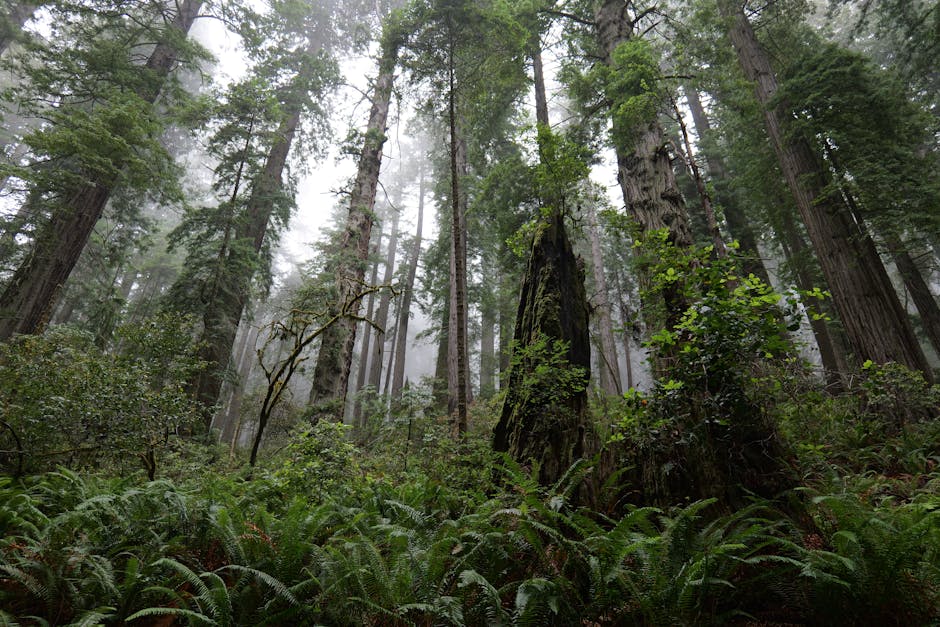
This is the most counterintuitive advice on the course. You're running downhill on a smooth road under shaded canopy in cool air. Your body wants to fly. Don't let it. The hills after mile 14 are relentless, and every second you "bank" in the redwoods costs you considerably more in the second half. 800-year-old coastal trees are watching you go out too fast. Let them.
miles 4 to 9 (valley and coastal approach): goal pace
Settle in. The road begins to roll, the wind picks up, and the ocean opens. If there are runners near you going the same speed, draft off them for the headwind. This is the stretch where you find your rhythm. Hit the aid station at mile 7.8 and take it seriously. There's a 3-mile gap to the next one, and it sits at the base of Hurricane Point.
miles 10 to 12 (hurricane point): goal pace + 35 seconds per mile
This is not a typo. You should expect to lose 30 to 45 seconds per mile on this climb, and you should let that happen. Run by effort, not by your watch. If your GPS says 9:30 and your goal pace is 8:45, you're probably doing it right. Trying to force your way up Hurricane Point at goal pace is the second most common mistake on this course (after going out too fast in the redwoods).
miles 13 to 16 (post-hurricane descent and rollers): goal pace - 5 seconds per mile
You just descended from 560 feet. The grade is in your favor. But do not pound this downhill. A gentle negative split here is fine. Hammering it will destroy your quads for the rolling miles that follow. The hills between miles 14 and 17 look small on the elevation chart. They are not small when your legs are already fatigued from a 2-mile climb and a steep descent.
miles 17 to 21 (the isolation): goal pace + 10 seconds per mile
This is where the race is decided. Open ranch country, direct NW headwind, 8% shade, zero spectators, and a series of rollers that never quite let you settle. You are going to want to push here because you feel like you're falling behind. Don't. Conserve. The runners who blow up at Big Sur almost always blow up in this stretch, and it's almost always because they ran the first half too aggressively to have anything left.
miles 22 to 26.2 (highlands and finish): goal pace - 10 seconds per mile
Civilization returns. Spectators reappear. The Strawberry Station at mile 23.2 gives you a burst of sugar and humanity. The terrain still has two more punches (Carmel Highlands Kicker at 5.59% and D-Minor Hill at 5.12%), but the net trend is downhill toward the finish. If you were patient through the isolation miles, this is where you cash in. If you weren't, this is where things get very long.
the math behind this strategy
On a 4:00 goal, this pacing approach adds roughly 2 minutes to your first half and subtracts roughly 2 minutes from your second half, yielding a slight negative split overall. That might not sound like much, but on a course with this much climbing in the back half, a slight negative split means you ran a smart, controlled race. Most runners at Big Sur run a massive positive split (first half significantly faster than second half) because the first half feels deceptively easy.
One more thing. There are no pace clocks on the course and no split callers at mile markers. If you're running by pace, you need your own watch. But honestly, this might be a course where running by feel serves you better than running by numbers. The terrain changes so frequently that any given mile split is going to look irregular. Trust effort over pace, especially from mile 10 onward.