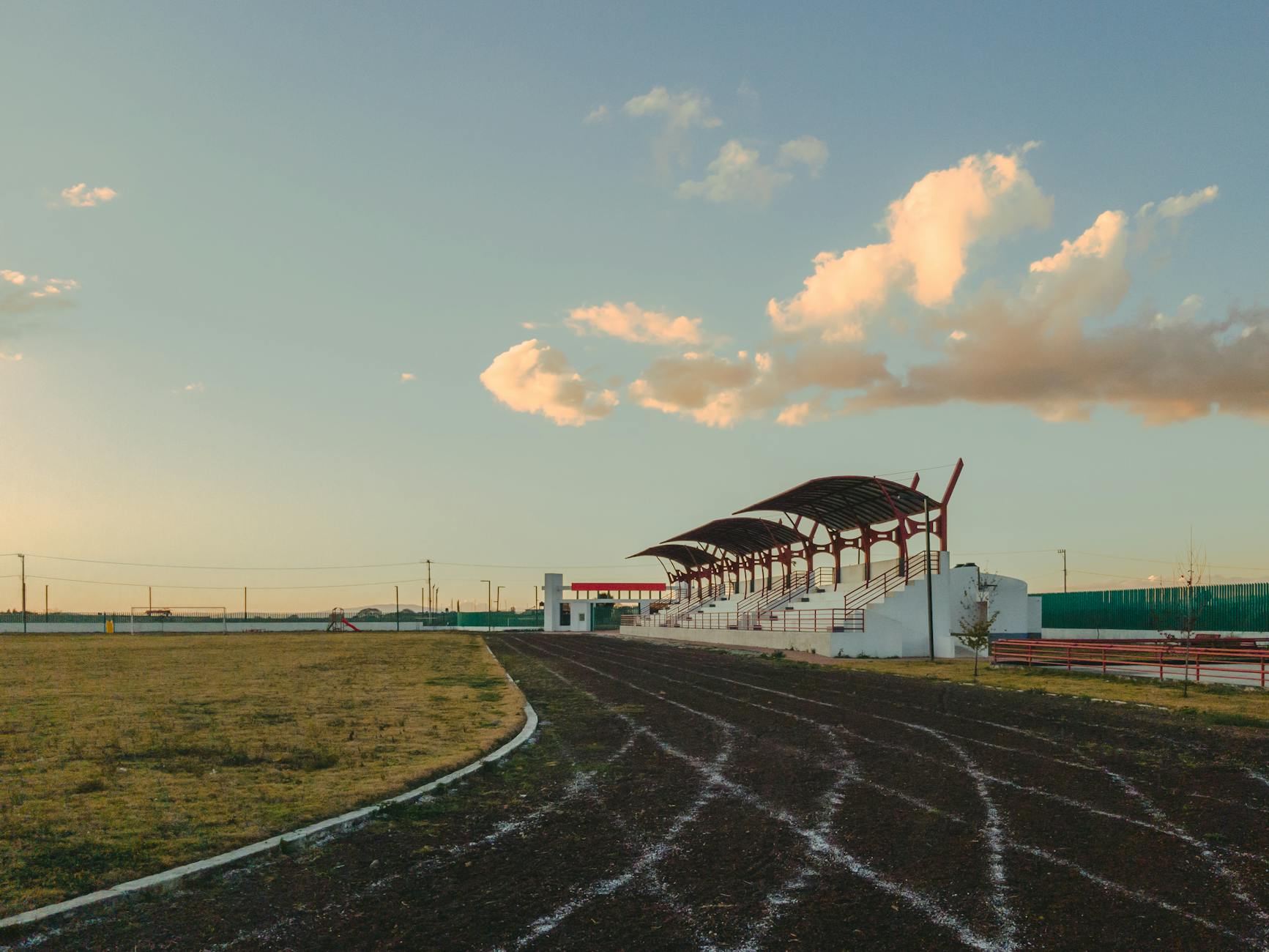
Where Steve Prefontaine trained and Bill Bowerman co-founded Nike. TrackTown USA, the Willamette River, and a finish near the most storied track and field stadium in America.
This breakdown is based on detailed course mapping, historical race conditions, and real runner feedback from past years.
Eugene is different from every other city on this list because running is not a thing people do here. It is a thing the city is organized around. TrackTown USA is not a marketing slogan. The University of Oregon's track program has been the incubator for American distance running since Bill Hayward began coaching here in 1904. Bill Bowerman took over in 1948, coached Pre, poured rubber into his wife's waffle iron in the 1970s to create a shoe sole, and co-founded Nike with Phil Knight, a former Oregon runner, out of this campus. Hayward Field has hosted nine NCAA Championships, the U.S. Olympic Trials multiple times, and the World Athletics Championships. Steve Prefontaine ran 38 races there between 1970 and 1975, losing three. He set American records at every distance from 2,000 to 10,000 meters. He died in a car crash on a narrow road above campus at age 24, hours after winning a 5,000-meter race, on May 30, 1975. The trail along the Willamette River is named for him. The rock at the crash site has been covered in race bibs and medals and running shoes every day since.
The marathon starts and finishes in downtown Eugene and loops through the city's south neighborhoods, the University of Oregon campus, the Willamette River corridor, Alton Baker Park, and back through the Whiteaker neighborhood. 575 feet of total climbing on a course that nets almost perfectly flat. One meaningful climb, at South Eugene mile 4.3. Pre's Trail through the University district at mile 9. The best shade on the course through Alton Baker Park at mile 14.5. A quiet north Eugene return through miles 17 to 21. And a late climb in the final mile that catches people who didn't know it was there.
A few things worth knowing before April 26. Eugene in late April is typically cool and overcast, average highs in the low 60s with a real chance of rain. The course runs through residential neighborhoods where the crowd is warm but not thick outside of the university and downtown sections. The 7:00am start means the opening miles are cool and sheltered. The final mile's 1.6% grade is not steep but it arrives at mile 26 when steep is a relative term. And the finish near Hayward Field, a stadium that just had a full renovation and now has a 10-story torch-shaped tower with the faces of Oregon track legends on the exterior, is worth knowing you're running toward it.
By terrain, exposure, and how effort changes across the race.
The race starts at 7:00am in downtown Eugene near the Saturday Market district, the Hult Center, and the compact walkable core of a city that has produced more elite distance runners per capita than anywhere in America. The crowd at the start is informed in a way that few marathon start lines are. These are people who know what a sub-3 looks like.
The opening miles are nearly flat, 15% shade on wide downtown streets, partial southerly wind from the valley, cool Oregon morning air. Add 8 seconds per mile through the first three miles and let the legs warm into the pace. The South Eugene climb is at mile 4.3 and it is the hardest thing the course asks for.
Aid stations approximately every 1.5-2 miles throughout
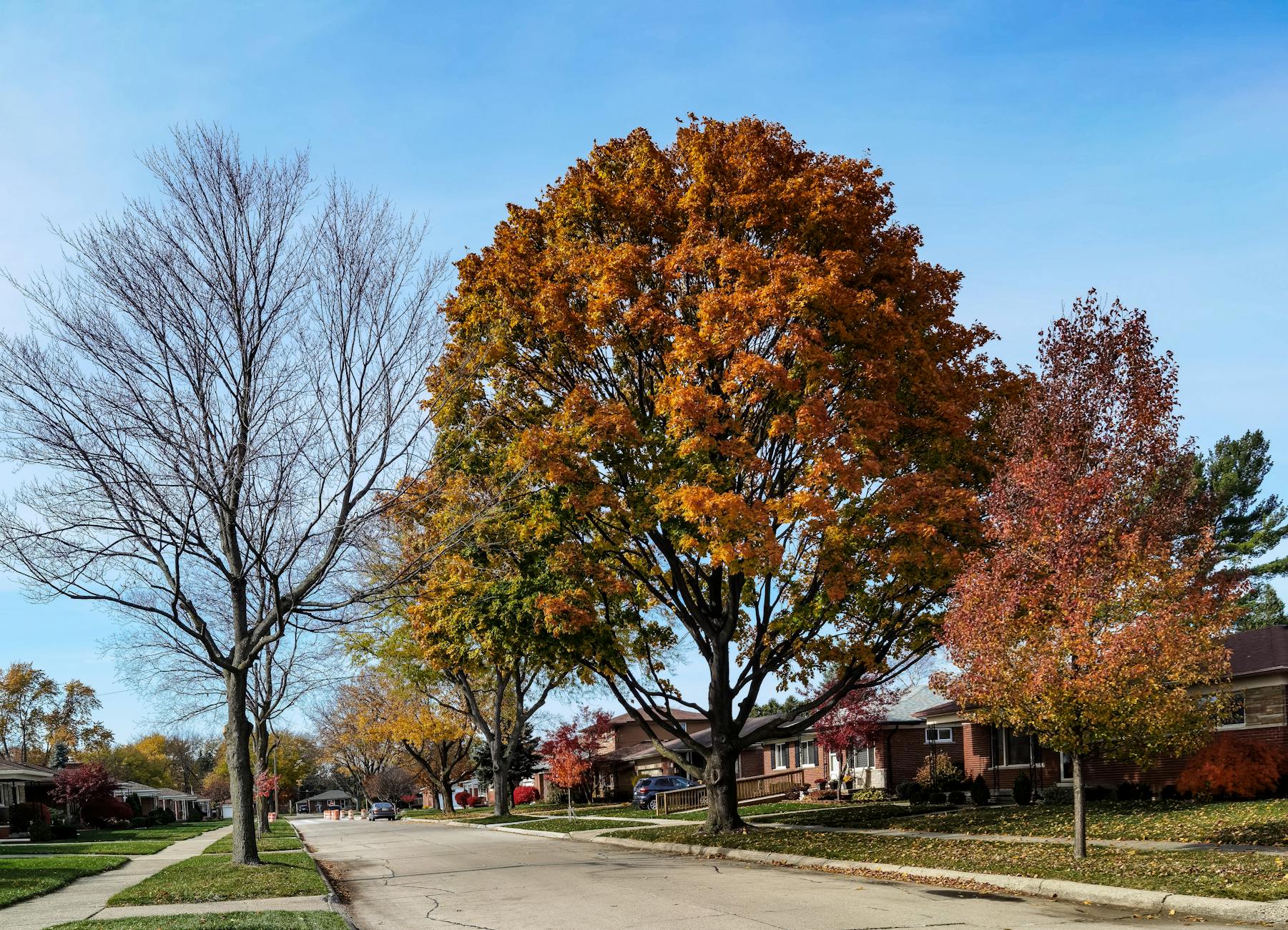
The course pushes south into the residential neighborhoods of South Eugene, mature maples and oaks lining tree-canopied streets, 40% shade, the hills of the city visible ahead. The crowd thins to neighborhood warmth: residents out on porches, the occasional local running club member who knows this section.
The climb arrives at mile 4.3. 53 feet of gain in under half a mile at up to 6.4% grade, the steepest sustained pitch on the course. It is not a mountain. It is a sharp early wake-up on a course that otherwise asks you to run flat. Shorten your stride and run it by effort. The descent immediately follows and the Amazon Creek corridor is just beyond.
Add 10-12 seconds per mile through this block as a whole. Everything after this is more manageable.
A gradual rolling descent through Eugene's Friendly neighborhood, a laid-back residential pocket with the kind of name that accurately describes how it feels to run through it. 50% shade from the University of Oregon's tree-lined campus begins to appear as the course approaches the university district. The terrain drops gently from mile 6 to 8, offering the first real free miles of the race.
Get your breathing settled. Drink at the aid stations. The University section is ahead and the crowd is going to get louder than it has been since the start.
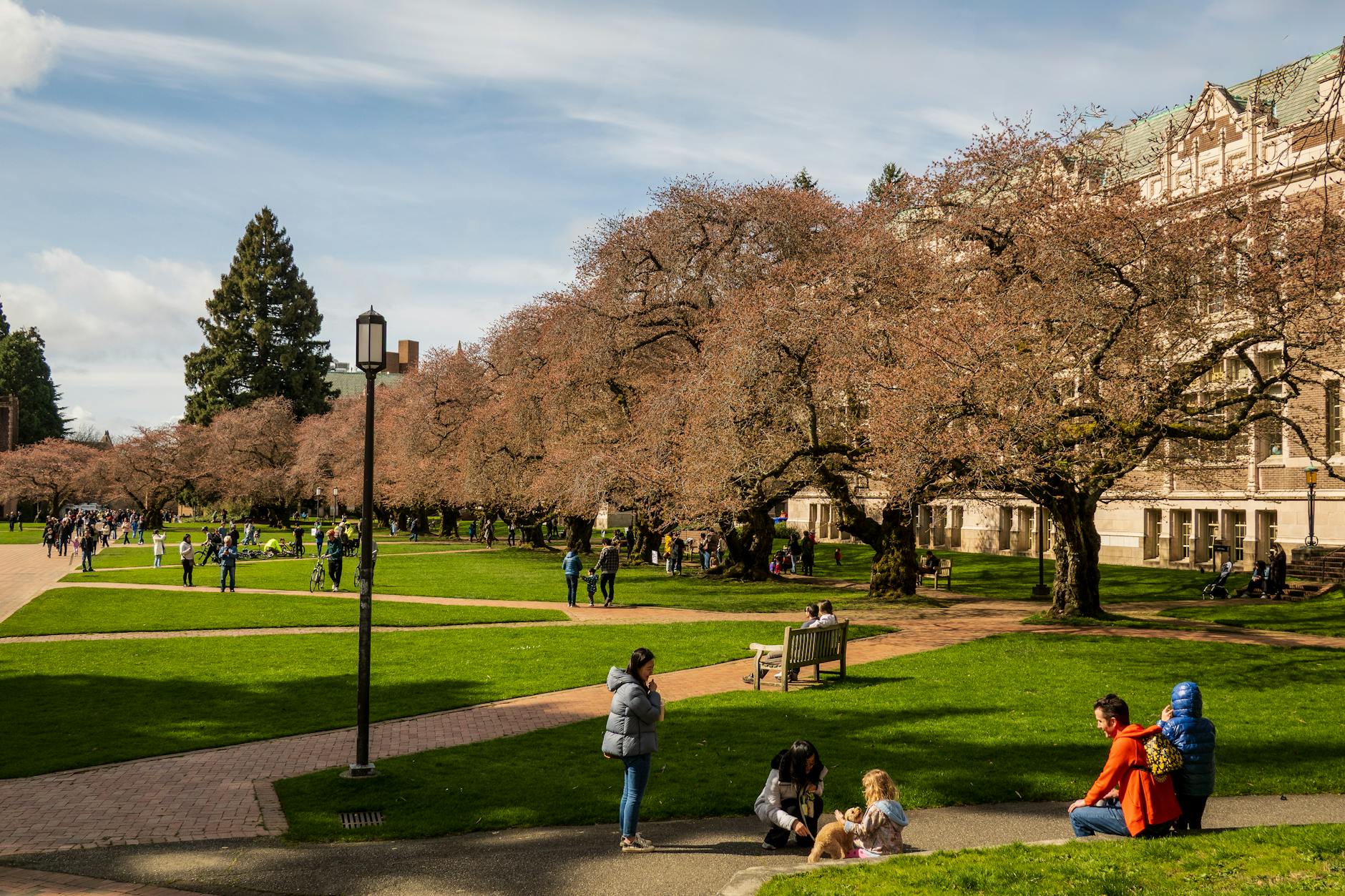
The course sweeps through the University of Oregon campus. Hayward Field is nearby, the stadium named for coach Bill Hayward, who coached Oregon from 1904 to 1947. Bill Bowerman took over in 1948. Phil Knight ran here. Pre ran here. The current Hayward Field was fully renovated and reopened in 2022 with a 10-story torch-shaped tower on the exterior bearing the likenesses of the program's legends. It is where the World Athletics Championships were held on American soil for the first time. If you're going to run past a track, this is the one.
The course brushes the edge of Pre's Trail, the 4.2-mile bark chip path along the Willamette named for Steve Prefontaine, who ran 38 races at Hayward Field between 1970 and 1975 and lost three of them, all at the mile. He was 24 when he died. Hours before the crash he had won a 5,000-meter race against Olympic gold medalist Frank Shorter. Pre's Rock, the moss-covered basalt outcropping at the crash site near Hendricks Park, covered in race bibs and medals and shoes left by runners from all over the world, is about a mile from here.
A real elevation bump arrives at mile 10, 2.0% grade from 424 to 447 feet. The UO crowd energy will tempt you to run through it faster than you should. Run by effort. The river corridor is the flattest section on the course and it is just ahead.
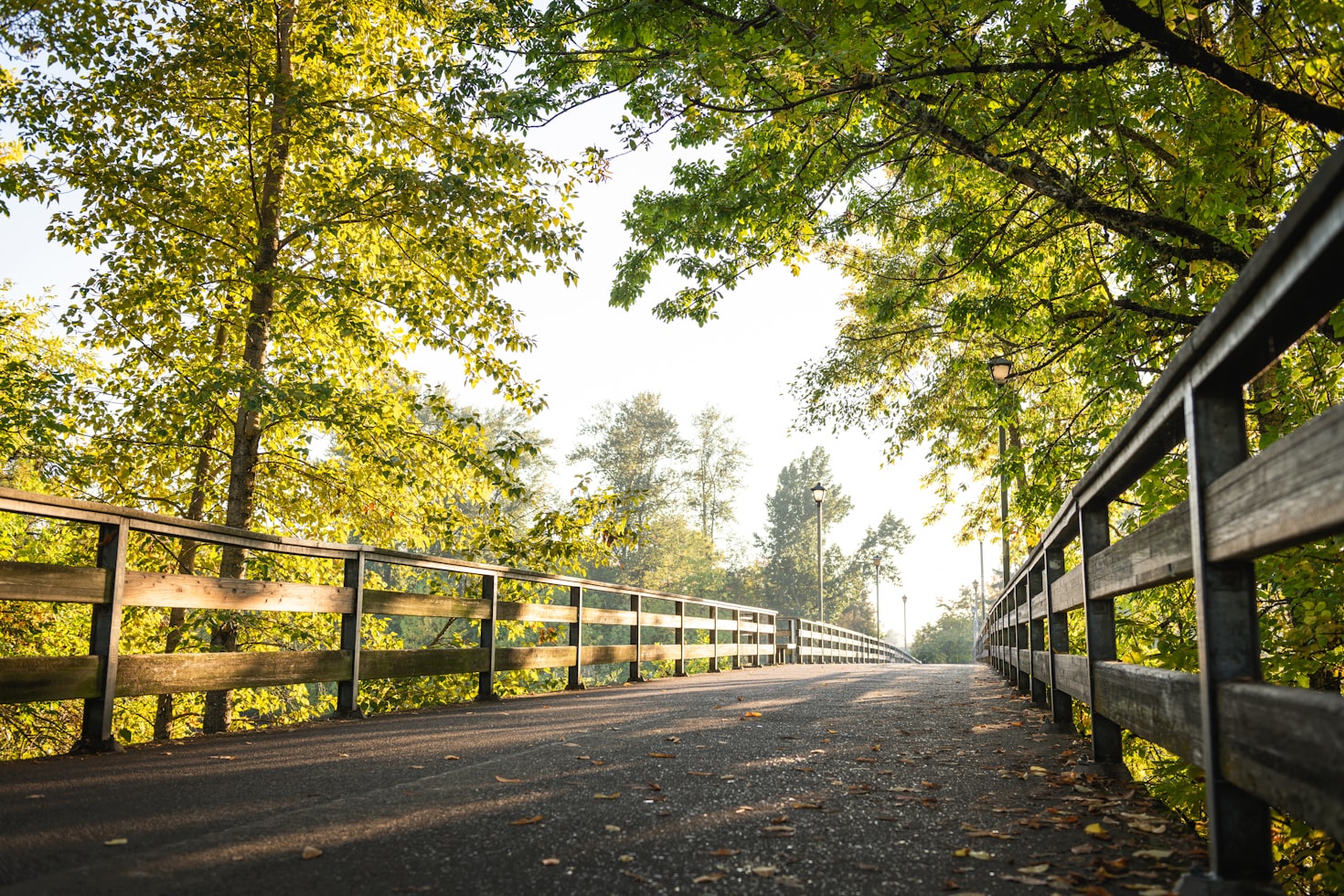
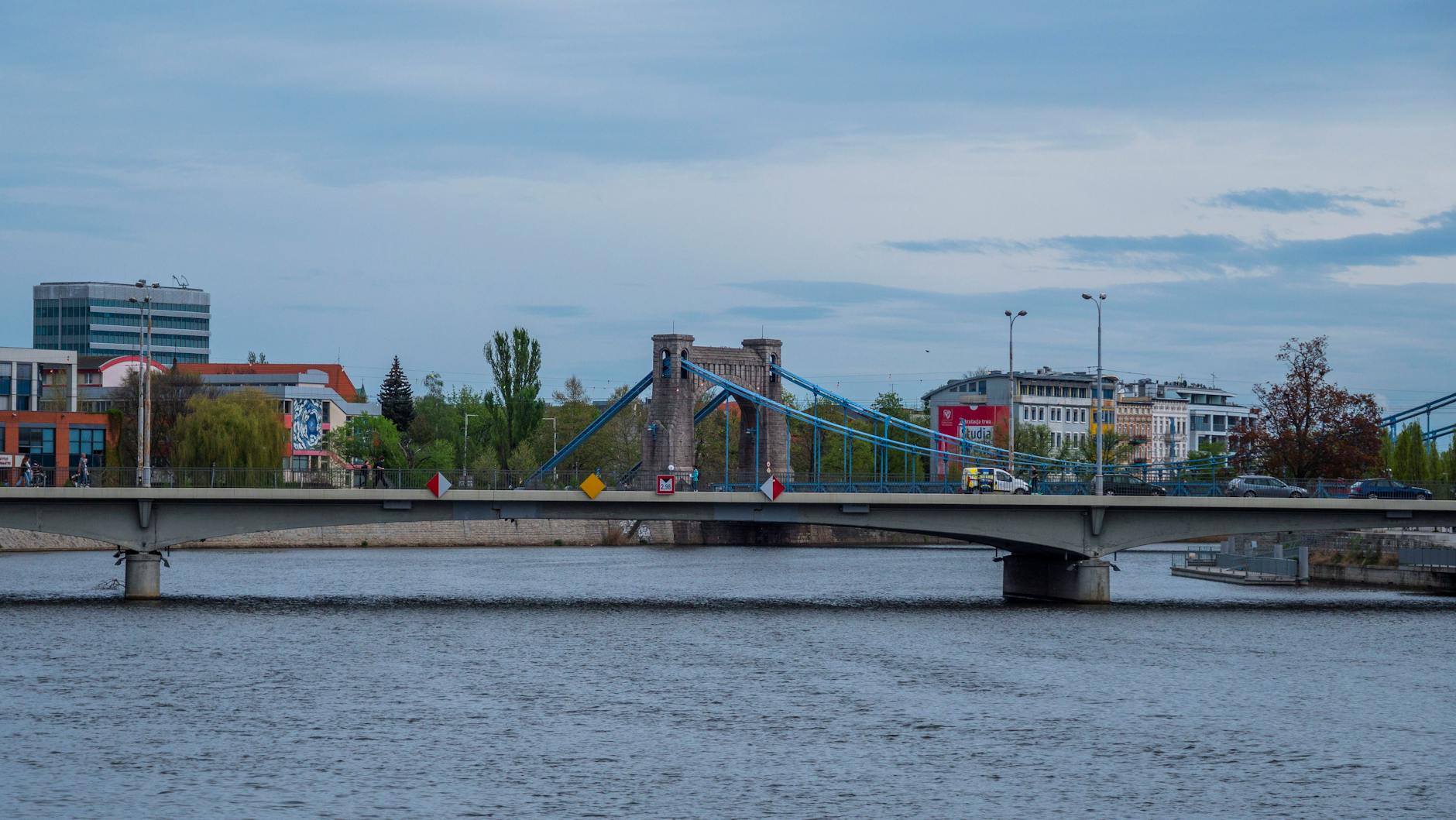
The course reaches the Willamette River and crosses Ferry Street Bridge, a major crossing connecting the university area to Alton Baker Park on the north bank. The river is wide and quiet and the views open up on both sides. 25% shade on the bridge and river road sections with NW wind arriving off the valley.
Miles 12 through 14 are the flattest and most runnable on the course. Elevation barely moves, 436 to 442 feet, grades under 0.3%. This is your goal-pace window. If the first 11 miles went according to plan, run what you came to run through here. Alton Baker Park is ahead and the most sheltered section of the course follows.
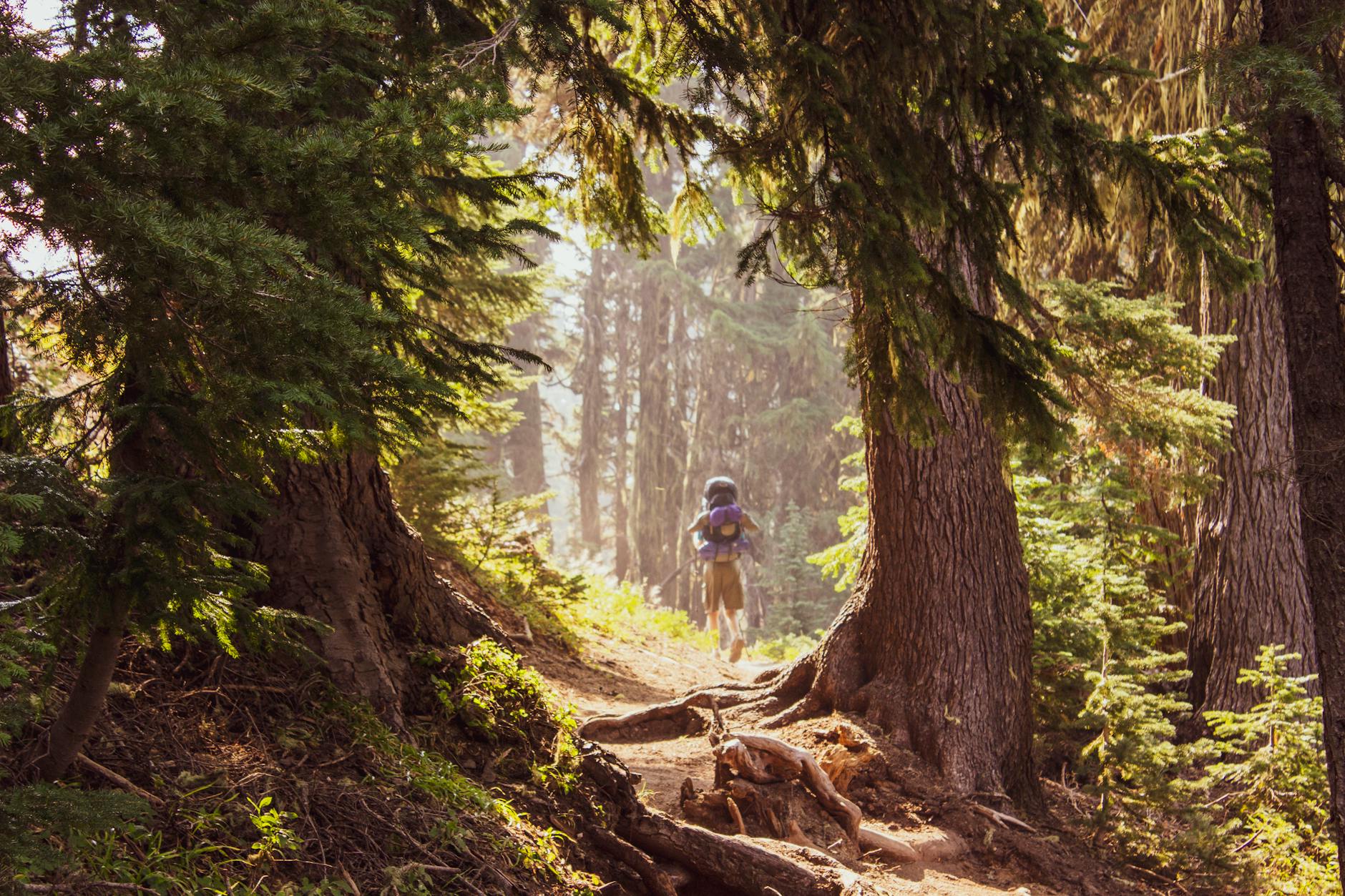
Alton Baker Park is 400 acres of Willamette River greenway on the north bank, dense riparian cottonwood and black cottonwood forest, 65% shade, the best canopy on the course. Pre's Trail winds through here. The park is quiet and sheltered, and after miles of open road and river exposure the shade and softness of the trees is a genuine relief.
This is the most forgiving section of the second half. The elevation continues its gentle decline. Use it to settle and not to surge. The mental desert of North Eugene is coming and Alton Baker is not a bank for time, it is a bank for composure.
North Eugene. Wider roads, lighter industrial and residential corridors, 20% shade, NW wind exposure, sparse crowd. The course ventures away from the river and the park and the university energy into the quietest miles of the day.
Miles 18 through 21 are the miles where a race plan either holds or doesn't. The terrain is physiologically manageable, elevation hovers between 403 and 416 feet with minimal grade variation. The difficulty is entirely mental: the noise has dropped, the scenery has flattened, and the legs are asking questions they didn't have an hour ago. Run 5 seconds per mile faster than goal pace if you have it from mile 20. The Whiteaker neighborhood is ahead.
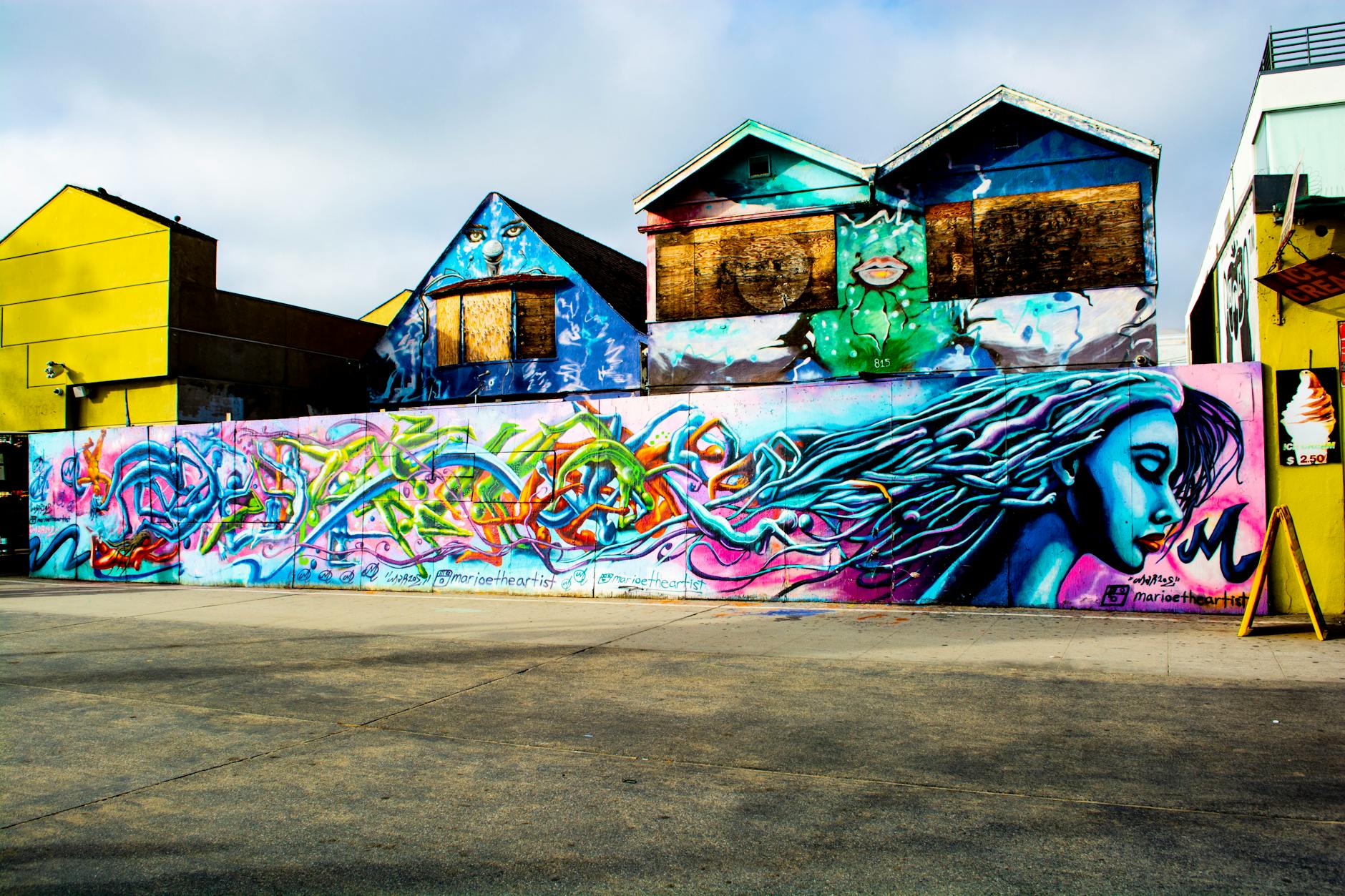
Whiteaker is Eugene's most eclectic neighborhood, murals on the sides of buildings, craft breweries, a community that is enthusiastically not downtown. The crowd here is small and genuine and shows up with actual enthusiasm. After North Eugene's quiet, this section lands with outsized effect.
The elevation nudges slightly upward from 403 to 415 feet between miles 22 and 24. Mild at any other point in a marathon. At mile 22 it registers. Run with effort rather than fixating on pace. The downtown return and Hayward approach are just ahead, and the final mile's climb is coming.
The course returns through downtown Eugene and finishes in the environs of Hayward Field. The torch tower is visible ahead, 10 stories, shaped like an Olympic torch, with the faces of Oregon's track legends on the exterior. Pre is up there.
The final mile contains a 1.6% grade that rises 31 feet from mile 25 to the finish. It is not dramatic on fresh legs. At mile 26 of a marathon, nothing is on fresh legs. Attack miles 24 and 25 on the flat downtown terrain while you have it. Carry momentum into the climb. The crowd builds back to start-line density as Hayward Field appears.
Steve Prefontaine's most famous line: "To give anything less than your best is to sacrifice the gift." He meant it about the track. It applies here.
You don't need to remember all of this on April 26. We give you a voice in your ear that knows this course, the South Eugene climb, the Pre's Trail section, and the final mile climb that shows up at Hayward when you think the race is over.
This isn't a generic plan. It's built around this course.
Get your race partnerFree · iPhone + Apple Watch
Eugene is a 2/5 difficulty course that runs through a city with a 5/5 running history. The terrain doesn't ask much, one real climb early, a late climb at the finish, flat river miles in between. What it asks for mentally is a different thing. Running past Hayward Field, through the UO campus, along Pre's Trail and the Willamette, in a city where Bill Bowerman invented a shoe sole in his kitchen and where the world's best distance runners still come to race. That combination is either inspiring or distracting depending on how you run it.
The things that catch people here are predictable. The downtown start energy sends runners out 8-10 seconds per mile too fast before the South Eugene climb even arrives. The university section at miles 9-11 pulls effort upward with crowd noise and emotional charge at a moment when a subtle grade is doing the same thing. And the final mile climb near Hayward catches everyone who forgot it was there.
Go out with discipline, run the university section by effort rather than ego, and know the last mile is going to ask for something. Do that and the finish near Hayward Field, in the city where Pre ran and Bowerman coached and Nike started, lands the way it should.
You don't need to remember all of this on race day. We give you a voice in your ear that knows what's coming, the South Eugene climb, the Pre's Trail section, the North Eugene quiet miles, and the final push to Hayward.
Raul's a good fit here. Calm, carries the history of the course naturally, and exactly the voice you want running past Pre's Trail and through the campus where Bowerman coached and Nike started.
This isn't a generic plan. It's built around this course.
Get your race partnerFree · iPhone + Apple Watch