Through the craft beer capital of Michigan, Western Michigan University's campus, and a back-half climb at mile 21 that has been called "The Wall" by enough runners that the name stuck.
This breakdown is based on detailed course mapping, historical race conditions, and real runner feedback from past years.
Kalamazoo was originally named Bronson after its founder Titus Bronson, a Connecticut transplant who was eventually chased out of town for being difficult. Residents renamed it Kalamazoo in 1836 after the Potawatomi name for the river, and the name Bronson survived only on the park where the marathon starts, the same park where Abraham Lincoln gave a speech in 1856 on the only visit he ever made to Michigan. The city has since invented the oscillating saw (Homer Stryker), the outdoor pedestrian mall (1959, first in the United States), a pharmaceutical empire (Upjohn, now Pfizer), and the oldest craft brewery east of Colorado (Bell's, 1985, soup pot). Kalamazoo is a medium-sized midwestern city that is more interesting than it looks from the outside.
The marathon loops through downtown, the west-side residential neighborhoods, the semi-rural southwest edge of the metro, up onto the Western Michigan University campus, down through the Milham Park corridor, through the flat south Kalamazoo section, over The Wall at mile 21, through the Vine neighborhood, and back to downtown. 706 feet of climbing. Genuinely rolling terrain with two meaningful back-half climbs, one approaching WMU at miles 8-10, one at The Wall at miles 21-23. The course is honest about what it is and the race experience around it is genuinely good: quirky spirit stations, free craft beer, a passionate regional running community, and a Bacon Station somewhere around mile 11.
A few things worth knowing before April 26. The opening miles run downhill from Bronson Park and will pull you faster than you should go. Miles 6 through 10 are the most exposed on the course. Open W wind off the semi-rural southwest edge with 10% shade, before the WMU campus shelters you. And The Wall at mile 21 is where this race gets decided. Not because 98 feet is catastrophic. Because 98 feet at mile 21 with grades hitting 8.6%, after everything else the course has done, is what separates the runners who respected the first 20 miles from the ones who didn't.
By terrain, exposure, and how effort changes across the race.
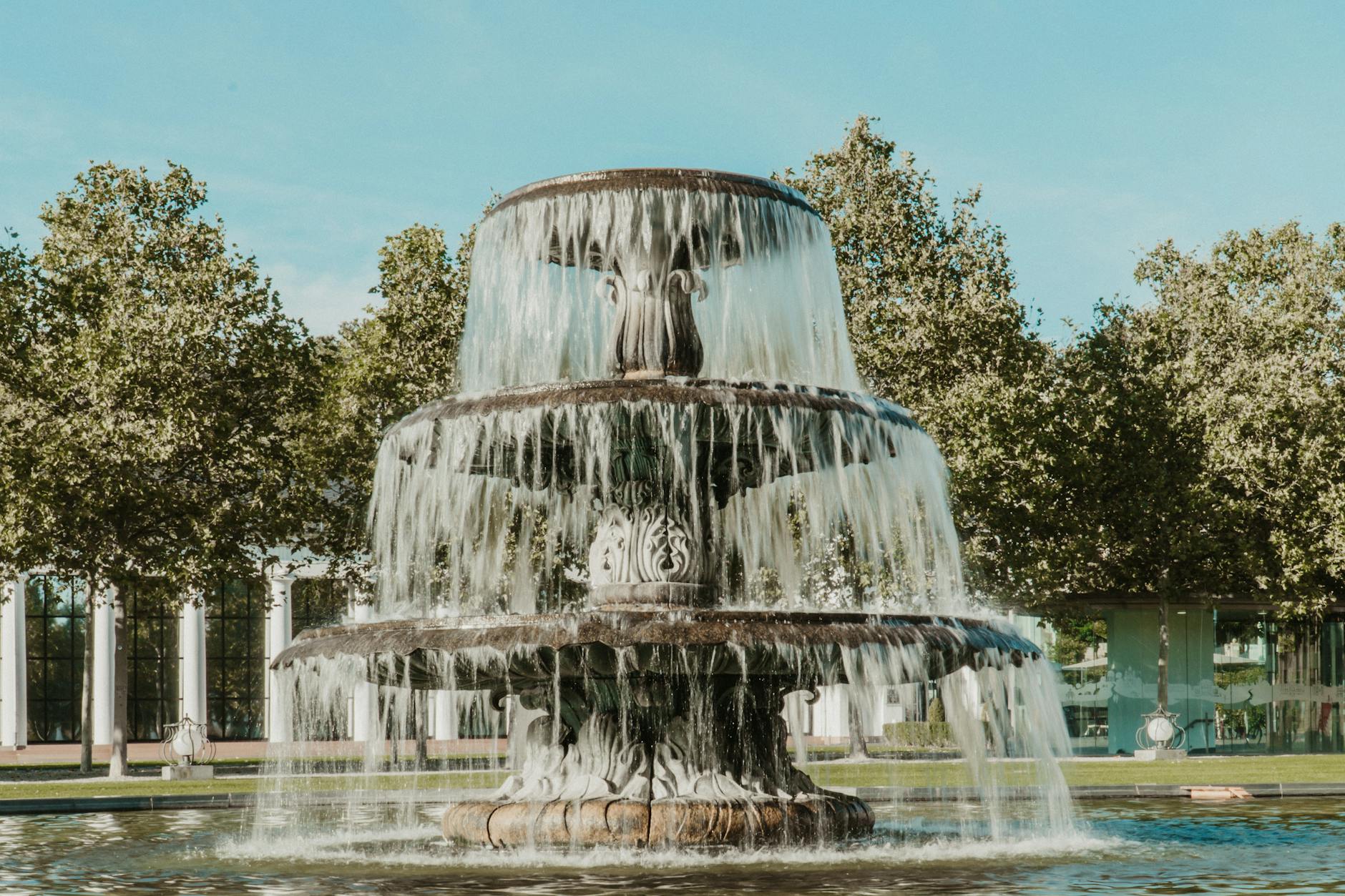
The race starts at Bronson Park, the historic central park named for the difficult founder who got chased out of his own city. The park has been here since 1829. Lincoln spoke here. A small earthen mound from a Native American Hopewell tradition site still exists in the park from before the first millennium. On race morning, it is packed with runners and spectators and the energy of a smaller marathon that has figured out how to make a start feel significant.
40% shade from mature downtown trees. SW wind sheltered by the building corridors. A downhill tendency through the first 2.5 miles. Add 8-10 seconds per mile and hold it through the noise. The west side residential miles follow.
Aid stations throughout approximately every 2 miles
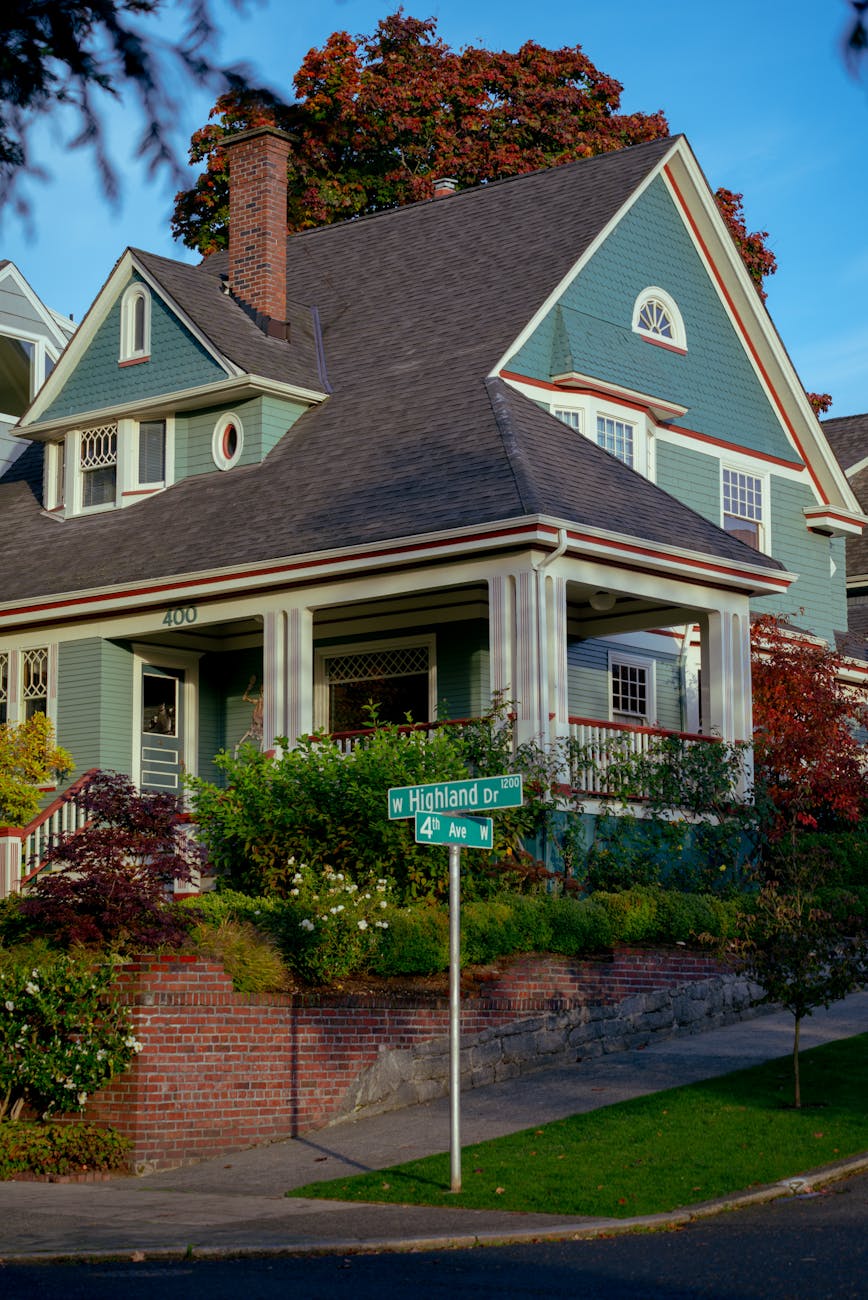
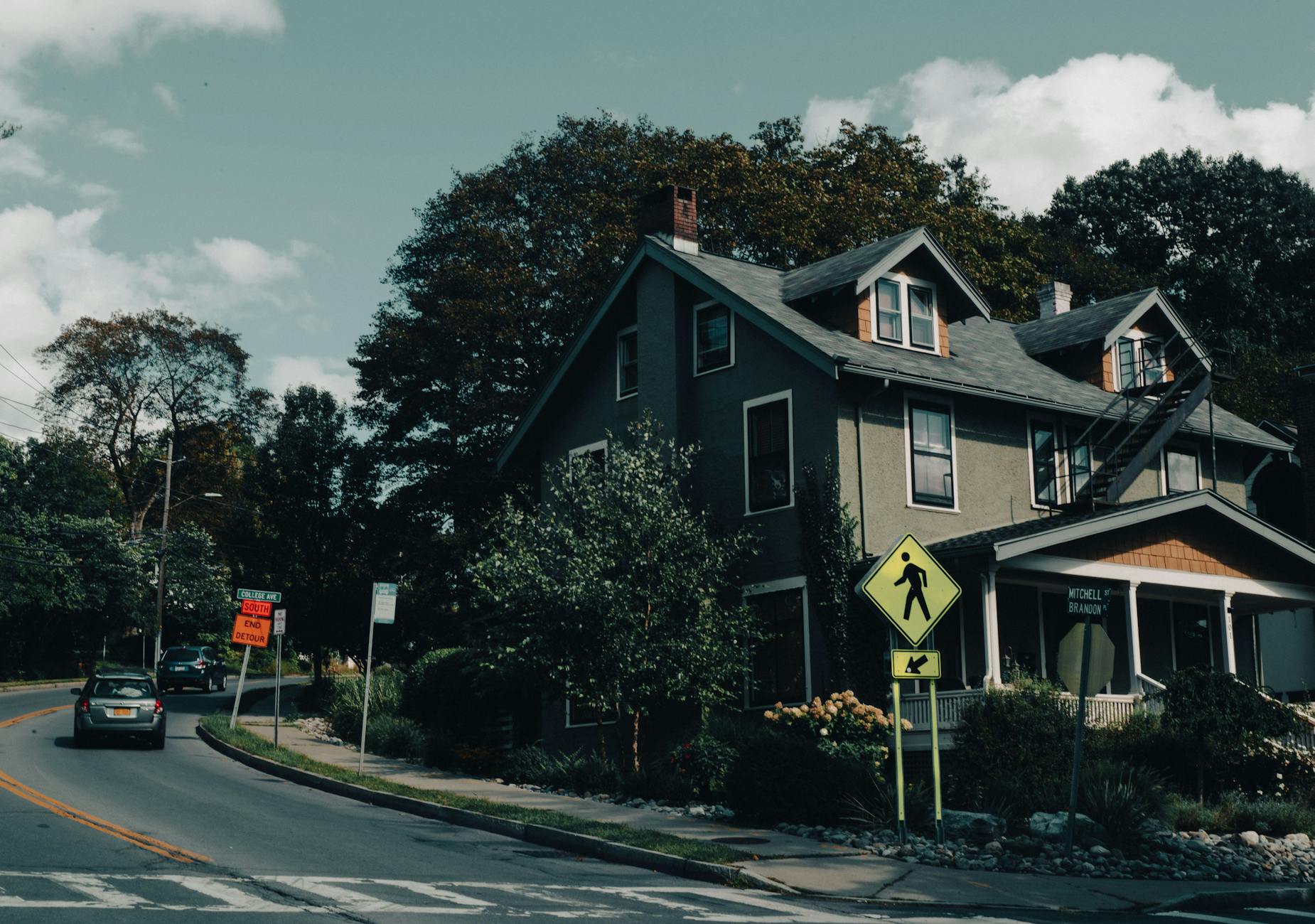
The course threads through the west side residential grid, mature tree canopy, 35% shade, Victorian and Craftsman homes, neighbors out on front porches and lawns. This is the warmest crowd density between the Bronson Park start and The Wall. Handmade signs. Some have music. The Vine neighborhood and its craft brewery culture bleeds into the west side character even this early in the route.
Find your rhythm. The southwest loop exposure begins at mile 5.5 and the climb toward WMU follows it.
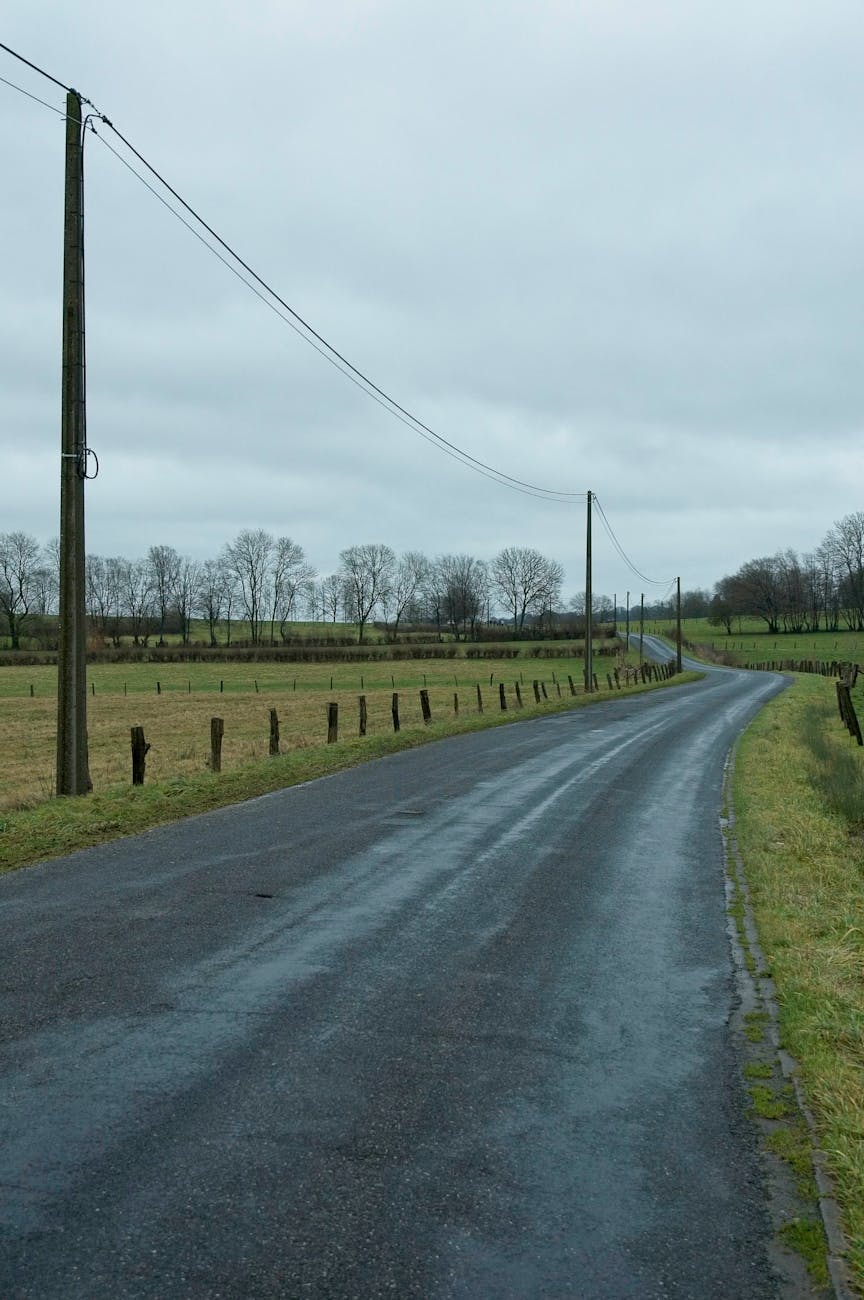
The course pushes its farthest west into the semi-rural edges of the metro. Open stretches alternating with wooded corridors, 10% shade, full W wind exposure off open Michigan terrain. The crowd has thinned to near nothing. A 28-foot punch at mile 5.7 and a 66-foot climb at miles 6.25 to 7.55 arrive on exposed road with no neighborhood energy to carry you through them.
Add 8-10 seconds per mile through this section. Run by effort on the climbs and don't try to maintain goal pace on the grade. The WMU campus is ahead and the character of the race changes completely when you get there.
The longest sustained climb on the course runs from miles 8.21 to 10.52. 62 feet at 0.5% average grade as the course transitions from the southwest residential grid onto the 1,200-acre WMU campus. The grade is mild and the canopy improves to 55%. WMU student volunteers begin appearing at intersections. The energy builds.
A 29-foot spike at mile 11.35. 3.3% grade over a short stretch, is the steepest pitch of the first half. Brief. Run through it and the campus opens up on the other side.
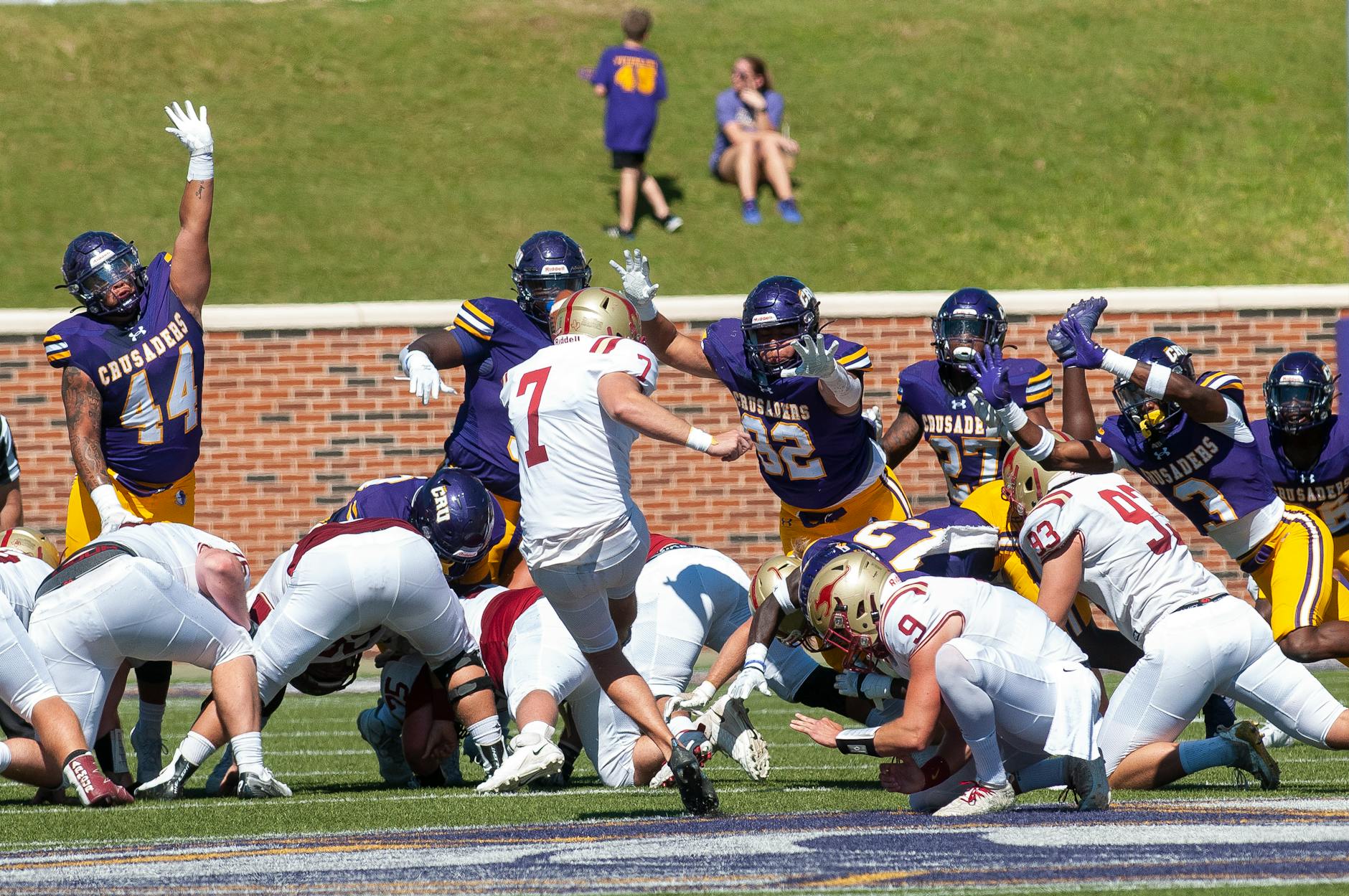
The course winds through Waldo Stadium, the WMU football stadium, and runners see themselves on the jumbotron. On a course that has been fairly quiet since the Vine neighborhood started, this is unexpectedly welcome. The stadium section is one of the more distinctive stretches on any regional marathon in the Midwest.
The course also passes through the Asylum Lake Preserve. 122 acres that were once part of the grounds of the Kalamazoo State Hospital, now a natural area with wooded trails and open meadows on the WMU campus. 55% canopy, sheltered from the W wind. The Bacon Station appears somewhere in this section. It is what it sounds like.
The campus miles are the most sheltered and shaded section of the back half. Use them.
A 150-foot descent from the campus heights down toward the flat Milham Park area, the most significant elevation drop on the course. Let it carry you without pounding it. The park was home to a zoo until 1974 and is now a municipal golf course and recreation area. 20% shade on the descent and flat park corridor.
The descent is a relief. It is not free. The quads absorb it and you need them for The Wall at mile 21. Keep stride controlled and arrive at the flat south Kalamazoo section with intact legs.
The flattest section of the course. Four miles with elevation locked near 759-762 feet. 15% shade on open residential and light commercial corridors, partial SW wind. Sparse crowd. The Kalamazoo River Greenway trail runs nearby, the developing trail corridor that will eventually connect more of this section to the city center.
This is the mental work before the physical work. Run goal pace through miles 17 to 20 if you have it. The Wall is at mile 21. Knowing it is there and knowing what it costs are two separate pieces of information. The next section is where you find out which one you have.
The Wall. Miles 21.0 to 22.83. 98 feet of gain at 0.9% average grade with sections reaching 8.6%. The approach at mile 21.4 is where it kicks. A 72-foot gain from miles 21.4 to 22.0, the steepest sustained pitch on the course, arriving at the exact worst moment of every marathon ever run.
The neighborhood crowd here is moderate and genuine, locals who specifically came out because they know what this climb does to people at mile 21. They know. The runners walking up it know. The runners running up it know. Make the call early: walk the steepest pitches, control the effort, and budget 15-20 seconds per mile over goal pace through this block. What you save here is what you run the final three miles with. After The Wall, the course tips downward and the Vine neighborhood appears.
The Vine neighborhood is Kalamazoo doing what Kalamazoo does well, Victorian homes, craft brewery storefronts, independent businesses, community that shows up for its marathon. 45% shade from mature street trees. The sheltered SW wind returns as the buildings close back in. The crowd here is the best it has been since the west side miles, and it arrives after The Wall when you need it most.
Bell's Eccentric Café is in the orbit of this section. Bell's was started in 1985 by Larry Bell out of a 15-gallon soup pot in downtown Kalamazoo, the first craft brewery east of Colorado, one of the most decorated American craft breweries of the past four decades. The Oberon beer Bell's makes for spring has been declared a Michigan holiday. Free local craft beer is waiting at the finish line. The last two miles are ahead.
The final 1.2 miles return to downtown Kalamazoo with the heaviest crowd density since the start. The Stryker Finish Line Celebration, named for Homer Stryker, the Kalamazoo physician who invented the oscillating saw and the movable hospital bed, fills the finish area with music, food, and free craft beer. The 1884 Romanesque Revival Kalamazoo County Courthouse is visible against the skyline.
A 52-foot climb at miles 24.55 to 25.88 arrives in the approach to the finish. At mile 25, on the other side of The Wall, this is not the time. Run through it with whatever is left. Bronson Park is ahead, the same park where it started, where Lincoln spoke once, where Titus Bronson planned a city and got chased out of it. The finish line is there.
You don't need to remember all of this on April 26. We give you a voice in your ear that knows this course. When the Bronson Park downhill is pulling you out too fast, what the southwest loop exposure requires, and exactly how to pace The Wall when grade hits 8.6% at mile 21.
This isn't a generic plan. It's built around this course.
Get your race partnerFree · iPhone + Apple Watch
Kalamazoo is a 2/5 difficulty course with a 3/5 scenery rating that consistently surprises runners who came in expecting an easy midwestern flat. 706 feet of climbing is real climbing. The southwest exposure miles are genuinely exposed. The Wall at mile 21 is genuinely a wall, in the way that the name suggests.
What catches people here is the pattern: the downhill Bronson Park opening sends them out too fast. The campus miles feel manageable and encourage optimism. And then the flat south Kalamazoo section at miles 17 to 21 delivers four quiet miles that feel like a gift right before The Wall extracts payment from everyone who spent what they should have saved.
Run the opening conservatively, respect the southwest exposure section, use the WMU campus miles to settle, and arrive at mile 21 with something left. Do that and The Wall is hard but survivable, the Vine neighborhood delivers when you need it, and the finish in downtown Kalamazoo. With free Bell's beer and a city that knows exactly what you just did, lands the way it should.
You don't need to remember all of this on race day. We give you a voice in your ear that knows what's coming, the Bronson Park trap, the southwest loop exposure, the WMU climb, and The Wall at mile 21 with all the specifics of grade and effort and pacing that matter in the moment.
Sally's a good fit here. Direct, no flinching, exactly the voice you want when The Wall kicks up at mile 21 and you need someone telling you straight what the next half mile requires and what's on the other side.
This isn't a generic plan. It's built around this course.
Get your race partnerFree · iPhone + Apple Watch