April 20, 2026 @ 10:00 AM (Wave 1)
boston marathon
The world's oldest annual marathon, 129 years of Patriots' Day, and the most famous turn in running: right on Hereford, left on Boylston.
The world's oldest annual marathon, 129 years of Patriots' Day, and the most famous turn in running: right on Hereford, left on Boylston.
 ·
Updated April 2026
·
Built from course data, historical conditions, and runner reports
·
Updated April 2026
·
Built from course data, historical conditions, and runner reports




This breakdown is based on detailed course mapping, historical race conditions, and real runner feedback from past years.
You are running the Boston Marathon because there is no substitute for it. Not the distance, not the history, not the course. All of it, together. The world's oldest annual marathon has been run every Patriots' Day since 1897, when 15 runners lined up in Ashland and John McDermott won in 2:55:10. It has run through two World Wars and a Depression and a pandemic. The qualifying standard gets harder every year as more people try to get in. For 2026, the B.A.A. tightened standards by five minutes across almost all age groups. You are here because you ran fast enough to be here, and that still might not have been enough.
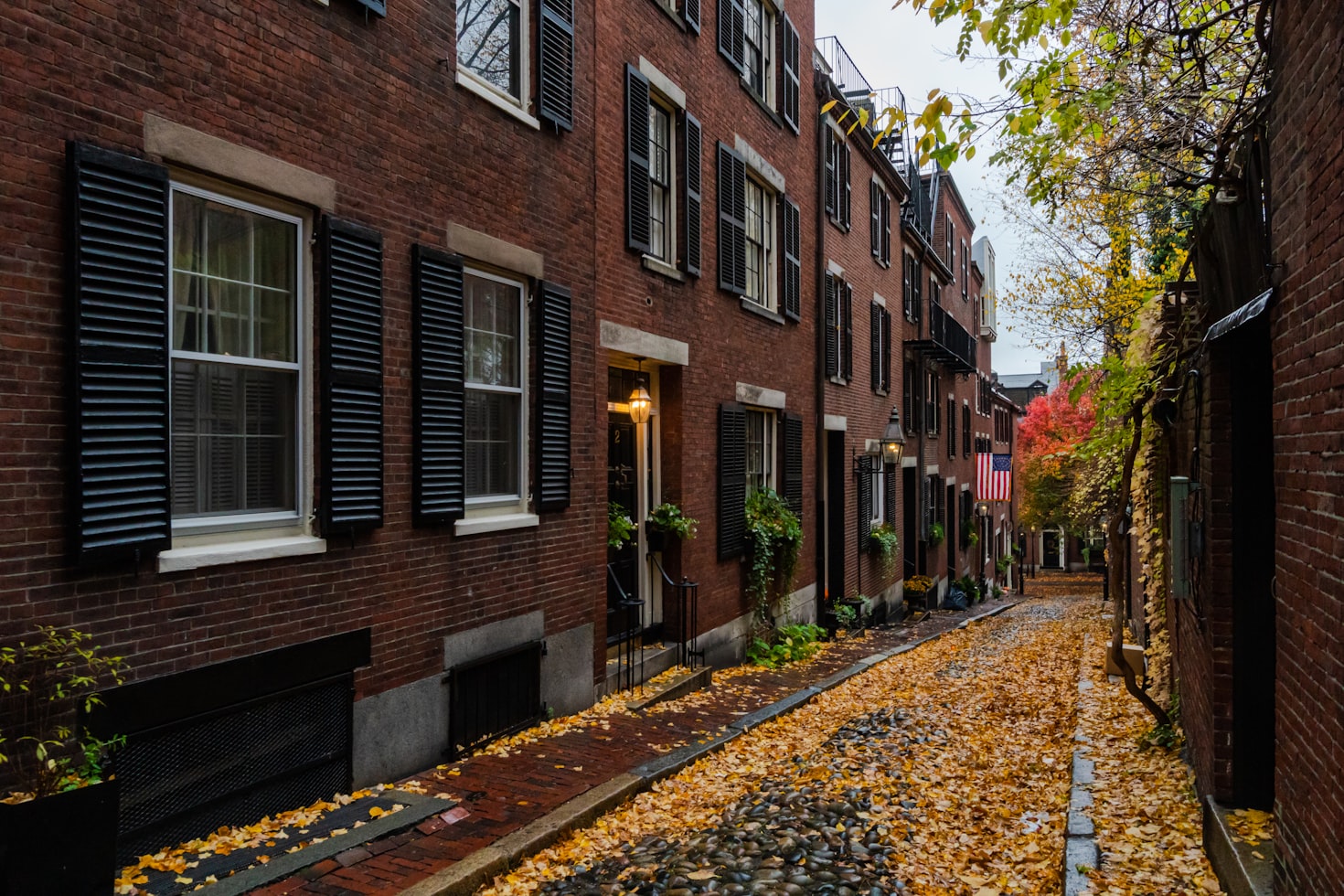
The course runs point-to-point from the rural town of Hopkinton to Copley Square in downtown Boston, passing through eight Massachusetts cities and towns over 26.2 miles. It drops 1,263 feet total and gains 814. Net downhill, but that framing is misleading in the way that matters most on race day. The first four miles drop 310 feet, which destroys quads if you let them. The next twelve miles roll through Framingham and Natick and deliver you to the Wellesley Scream Tunnel at halfway. Then Newton. Four hills on Commonwealth Avenue, the last of which has been called Heartbreak since a 1936 Boston Globe reporter watched Johnny Kelley get passed on the final climb by the man he'd just passed and described the moment as heartbreaking. The final five miles descend through Brookline and into Boston, past Fenway Park and Kenmore Square, to the right on Hereford and the left on Boylston.
A few things worth knowing before April 20. The bus from Boston Common to Hopkinton takes 45 to 60 minutes and leaves in waves. Arrive early and be prepared to wait in Athletes' Village for a while in the low 40s. Bring a throwaway layer and a trash bag to sit on. No backpacks, no CamelBaks, no hydration vests with bladders. Gear check closes at 9:15am on Boylston Street. The wind matters significantly here: a tailwind from the west produces fast times; an easterly wind off the harbor in the final miles has wrecked races that were going well. Boston weather in April is a variable you plan for, not around.
By terrain, exposure, and how effort changes across the race.
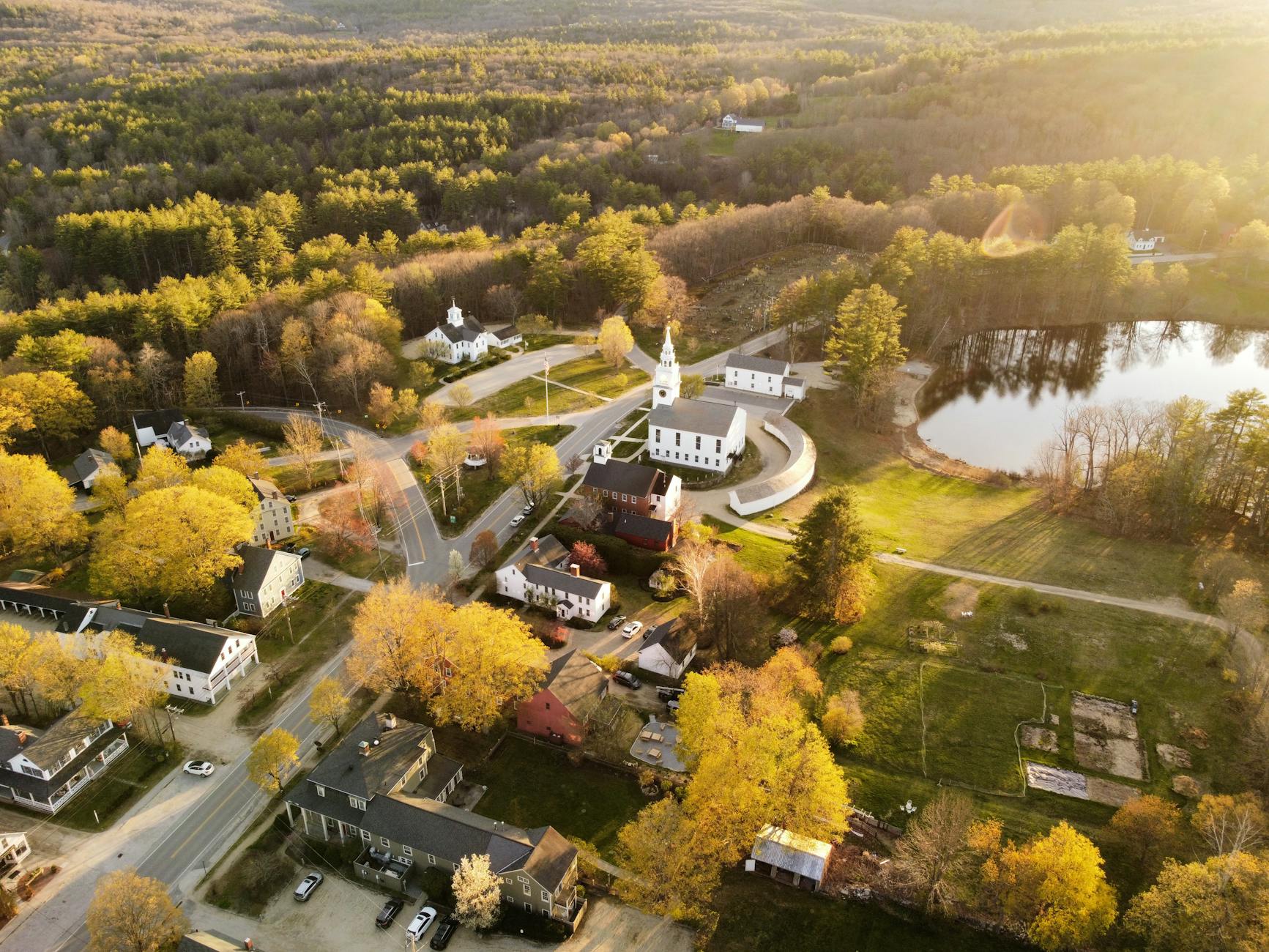
The race starts at Hopkinton Common at 490 feet above sea level. The town has been hosting this start since 1924. For most of the year, Hopkinton is a quiet suburb of 18,000 people. On Patriots' Day it is entirely consumed by the Boston Marathon, which is the only thing that has mattered here since April became April.
The first mile drops 130 feet. The first half mile is -5.3% grade. At 10am with wave 1 going off on a cool April morning, the conditions conspire to pull every runner in the field faster than they should go. Run 10-15 seconds per mile slower than goal pace and hold it there through mile 4. The total drop through the opening four miles is 310 feet. You cannot feel the damage that does to your quads in the moment. You will feel it at Newton.
The course passes through Ashland, the original start town before the distance was standardized and the start moved to Hopkinton in 1924, and begins the transition to the rolling middle miles.
Aid stations approximately every mile throughout
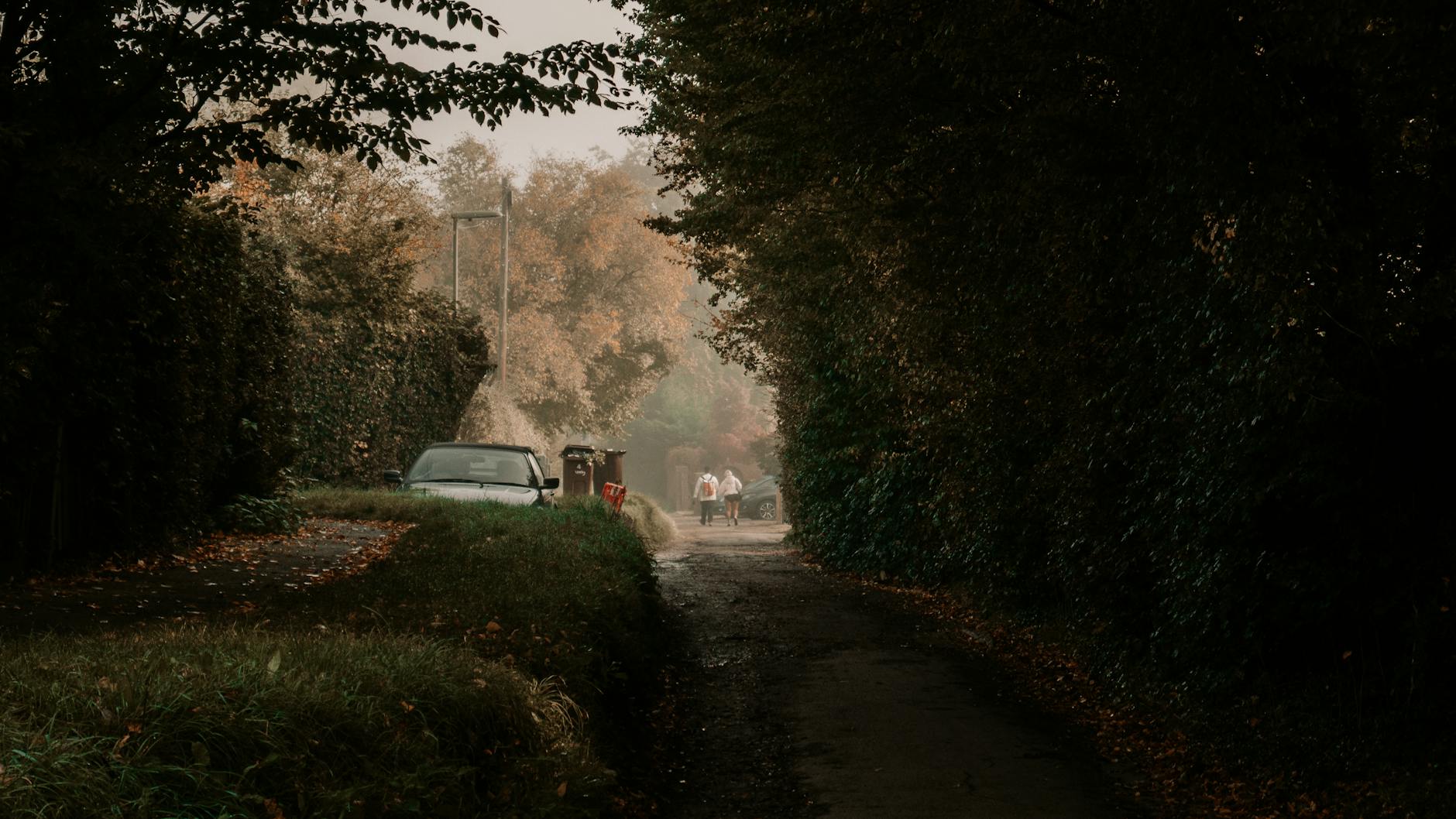
The course settles into rolling terrain through Framingham. These are the miles that get underestimated because nothing famous happens here. The terrain isn't flat despite what runners call "the flats." It rolls, it climbs briefly near mile 7.7, and it asks for consistent effort management across eight miles that follow four miles of downhill that already loaded your quads.
Find your rhythm. Lock into goal pace from mile 5 onward. The Wellesley Scream Tunnel is at mile 12 and the halfway point is mile 13.1. The Newton hills don't start until mile 16. Between here and there is your opportunity to run the race you came to run, and to not spend what you'll need later.
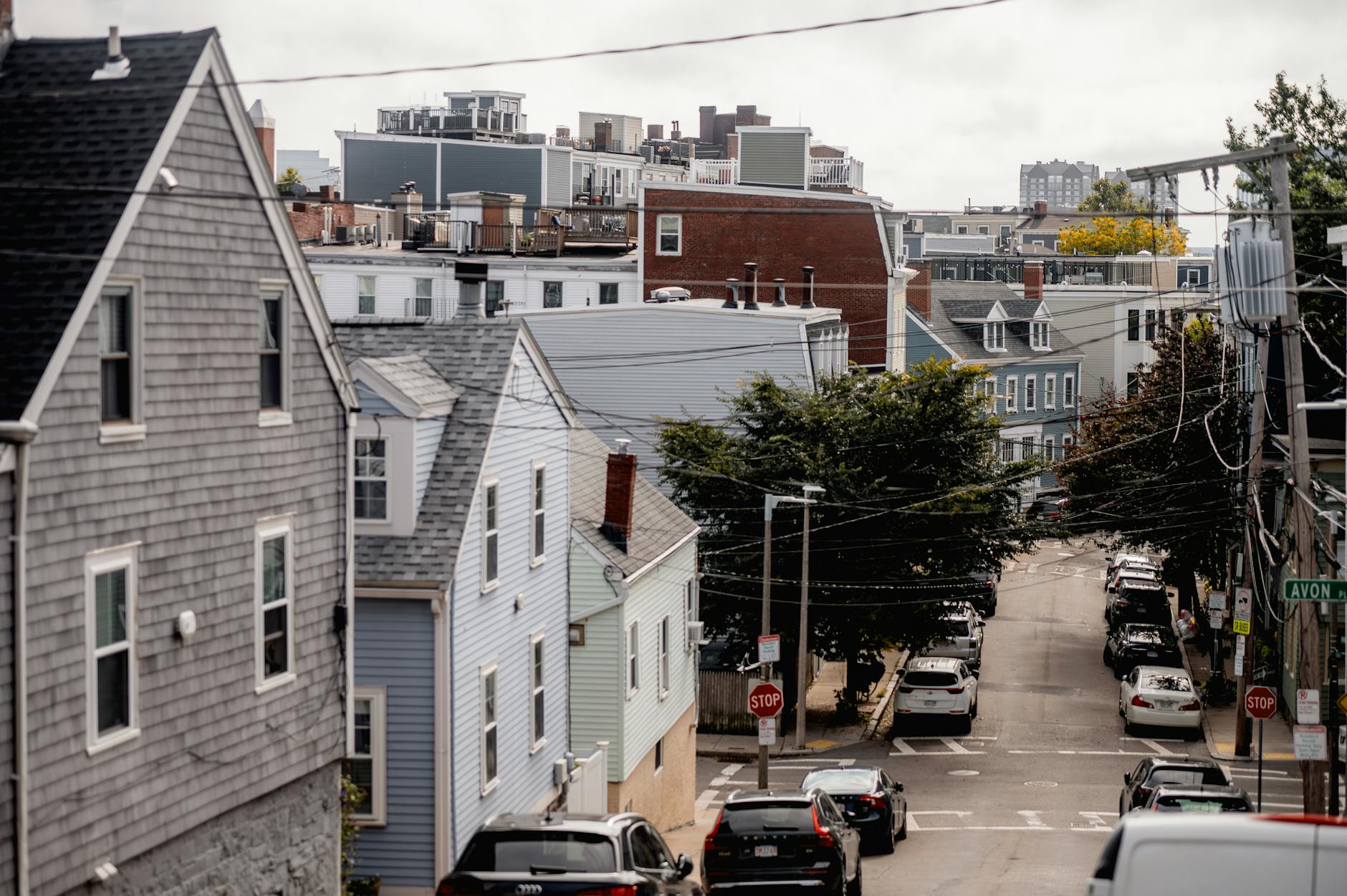
Natick. The course continues through residential New England streetscape, moderate crowd support along the roads, the terrain rolling with a gradual net climb from mile 9 through 11 before descending again. Nothing dramatic. This is the settling section of a race that has not yet revealed itself.
The longer continuous downhill at mile 11 arrives after the brief climb. Let it help and don't let it run away with you. The Wellesley Scream Tunnel is audible ahead. You will hear it before you see it.
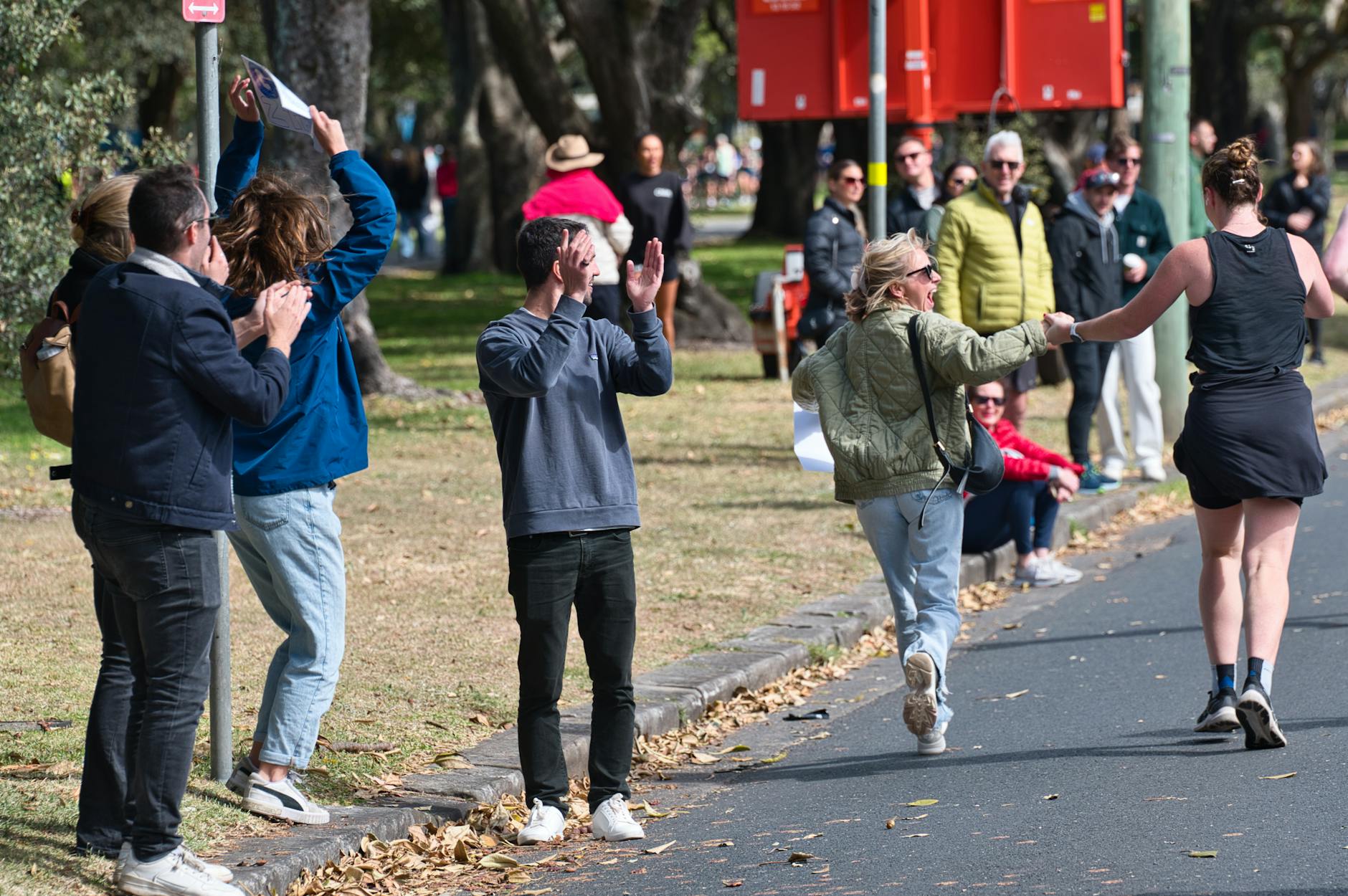
Wellesley College cancels classes on Patriots' Day. The students line up along the course for roughly a quarter mile and scream. The Scream Tunnel is loud enough to be heard from a mile away. It arrives at mile 12, just before the halfway mark, which is the most precisely timed piece of crowd support in road racing. Every year, runners describe it as the best moment of the first half. It has been a tradition since the race began passing through Wellesley in the 1890s.
The halfway point is mile 13.1. The left turn onto Route 16 toward Wellesley Center follows, and the character of the race begins its slow shift. Crowd support thins a bit as the course narrows. Miles 14 and 15 roll through the outer Wellesley neighborhoods before the sharp descent at mile 15.5 into Newton Lower Falls, 800 meters of steep downhill that marks the transition into everything the course is actually about.
If you're on plan at halfway, you should be 60-90 seconds slower than your projected second half. Not even. Slower.
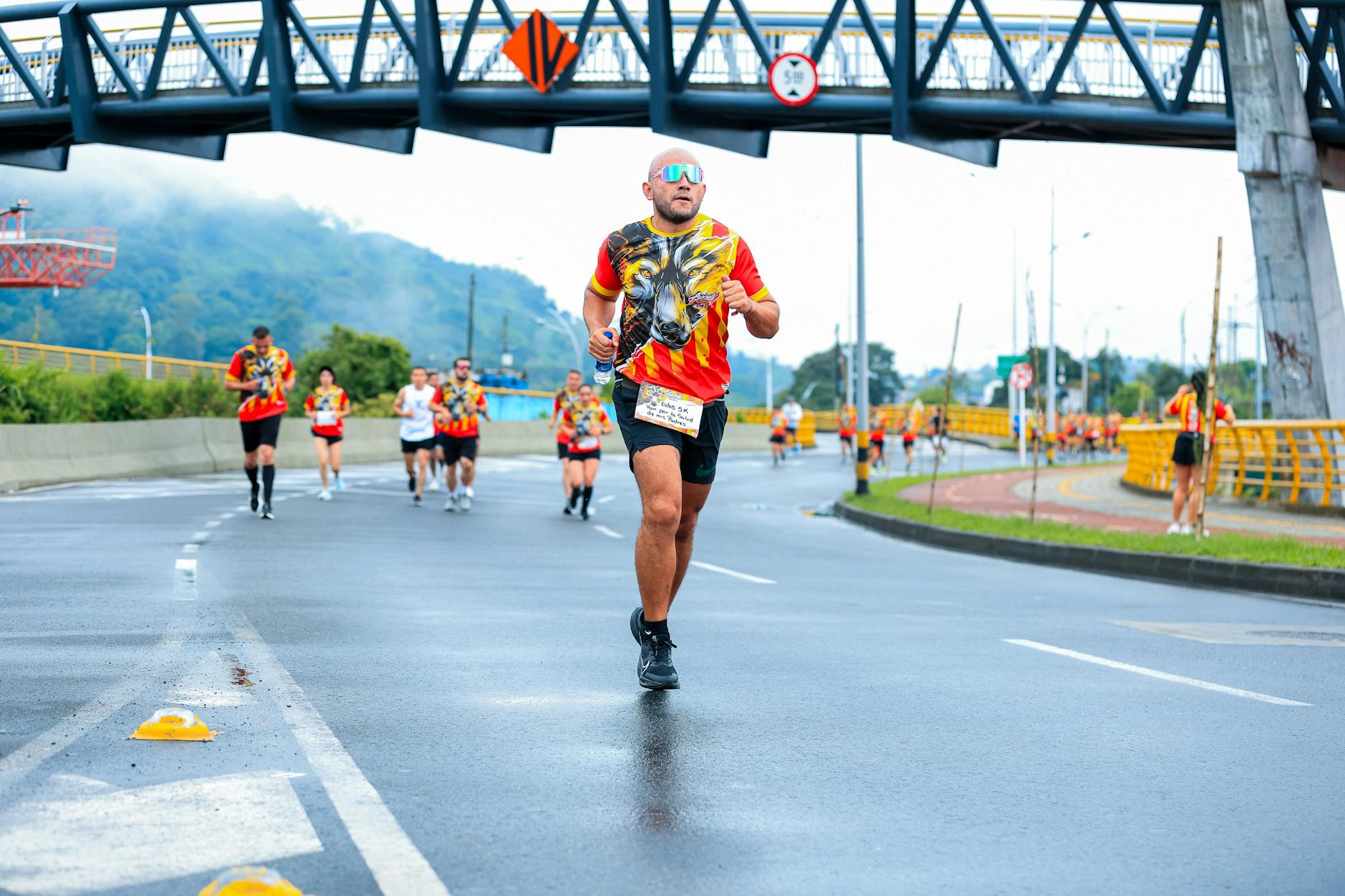
Just past mile 16, you cross into Newton and the road tilts upward. The first Newton hill climbs over the Route 128 overpass, exposed elevated crossing, traffic roaring beneath, whatever wind is in play hitting full force with no terrain to block it. You gain 77 feet from mile 15.9 to 16.5. It doesn't sound like much. After 16 miles including the opening descent, it sounds exactly like what it is.
This is the hill that runners who have studied the course are most underprepared for. Everyone knows Heartbreak. Very few people have really thought about the Route 128 overpass at mile 16. "That first climb is the one that always got the best of me. And if that one really stings, you're in for it the next 10 miles." A Boston veteran, not a first-timer.
The firehouse at mile 17 is the unofficial start of the Newton Hills proper. Turn right here onto Commonwealth Avenue.
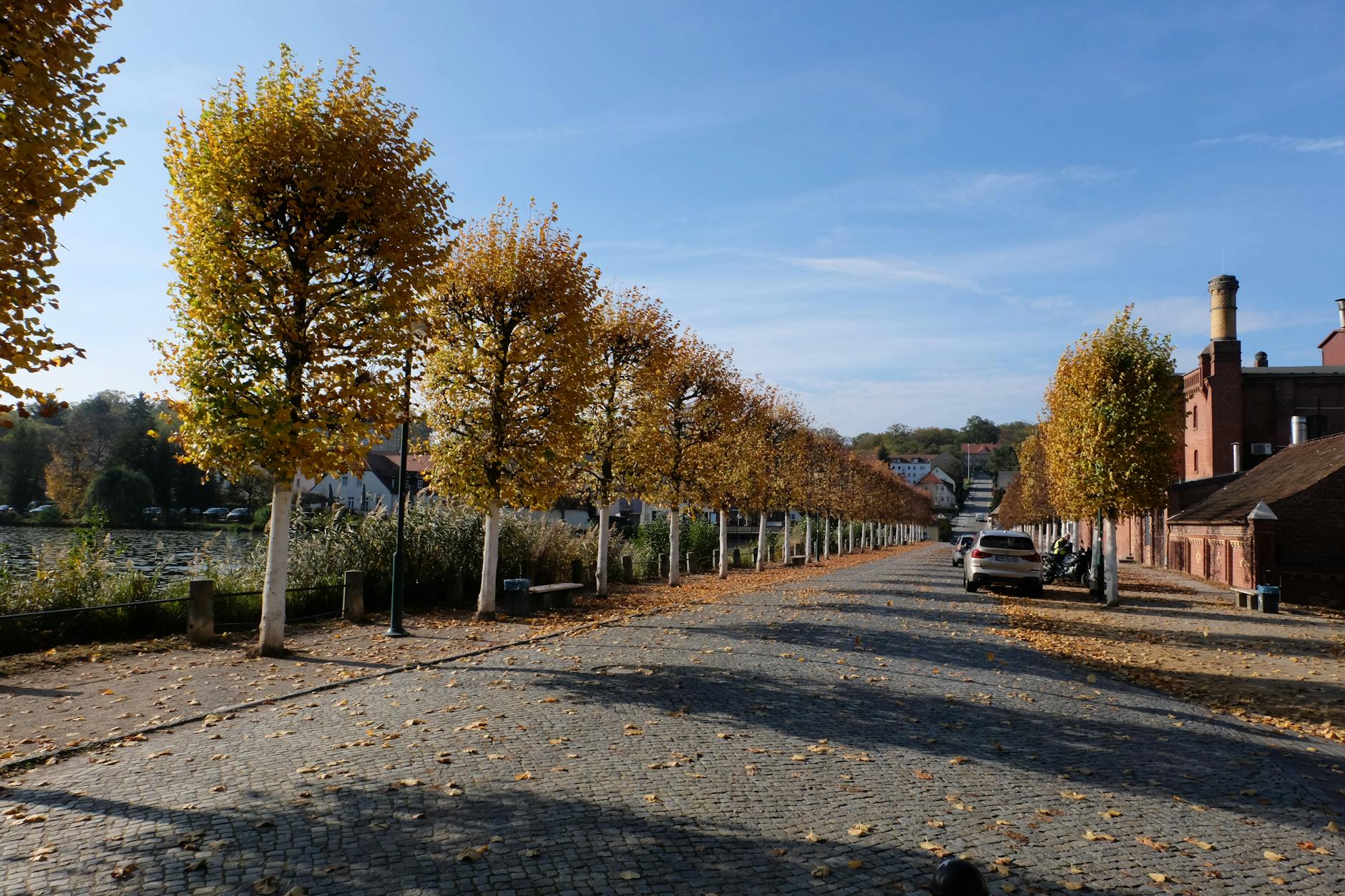
Four hills on Commonwealth Avenue. Each one less than a half mile long. None of them would register on any other marathon course.
The first is Firehouse Hill at mile 17-18. The second, at miles 18-19, is the sneaky one: it flattens briefly, tricks you, and then climbs again. The third, miles 19-20, is punchy. Then Heartbreak.
Here is what is true about the Newton Hills that is not said often enough: they are manageable if you arrive at mile 16 with legs. They are catastrophic if you don't. The hills themselves, four climbs, each under half a mile, combined total elevation gain modest on any objective scale, are not the villain. The first 16 miles are the villain. The hills are just where you find out.
Run by effort, not pace. Shorten your stride on the climbs. Don't try to race the hills. The goal from mile 16 to 21 is to arrive at the top of Heartbreak still running.
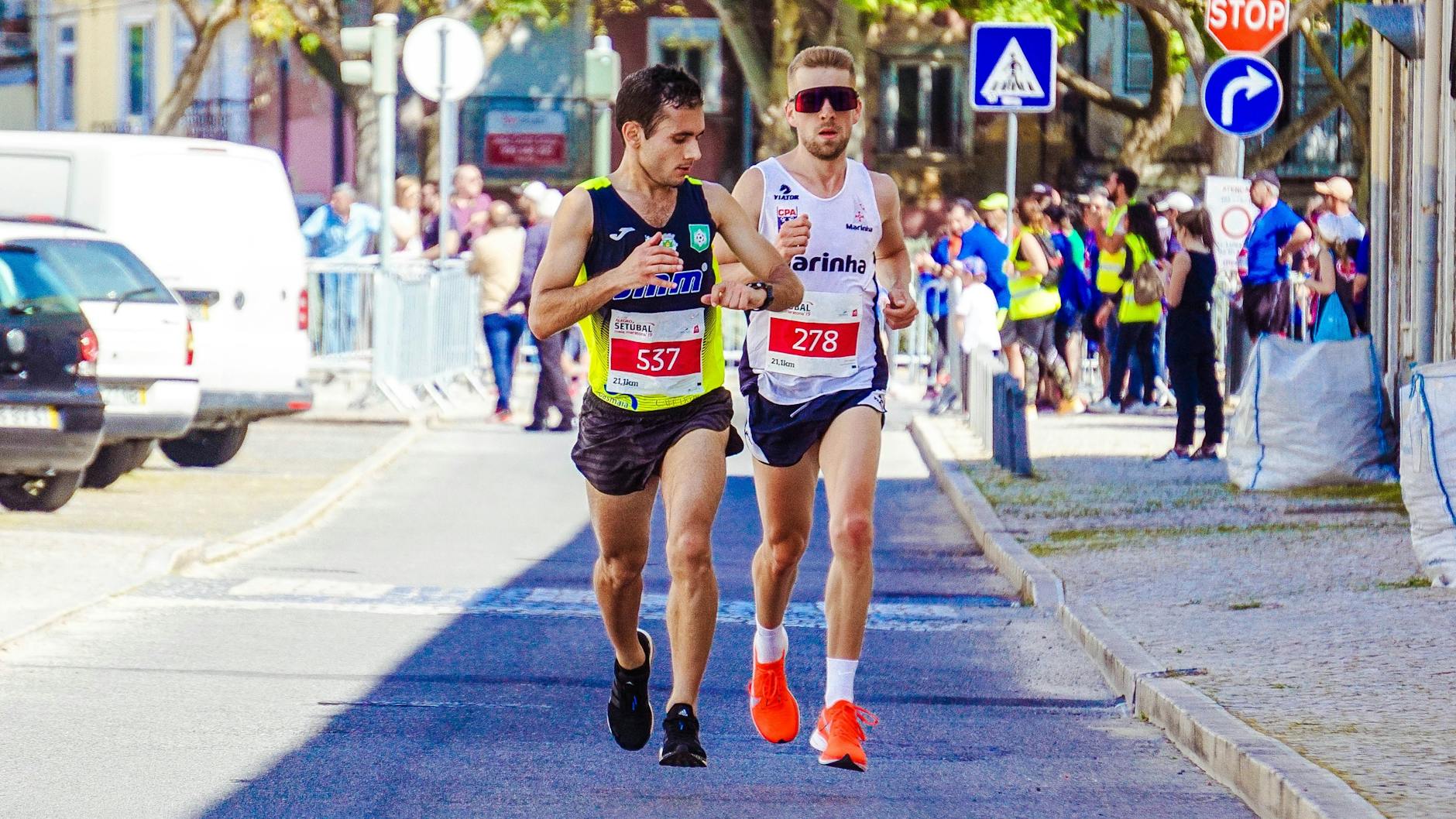
Heartbreak Hill begins just after mile 20. It is 88 feet of gain over 0.4 miles at 3.3% average grade. If you ran up this hill with fresh legs you would not remember it. Your legs are not fresh.
The name comes from a 1936 moment that Boston Globe reporter Jerry Nason witnessed and wrote about: Ellison "Tarzan" Brown had been leading the race by over three minutes. Johnny Kelley, the defending champion, caught him on the final hill of Newton and gave Brown a consolatory pat on the shoulder as he passed, a gesture that, according to the lore, lit Brown back up. Brown rallied, re-passed Kelley, and won. Nason wrote that Brown had broken Kelley's heart. The hill has been Heartbreak Hill ever since.
Boston College lines the course at the summit. The Eagles have been partying for hours. The noise at the top of Heartbreak is loud enough that runners describe hearing it from several blocks away on the climb. There is a banner across the road at the crest. A gel station. And then the road tips downward toward Brookline.
The hard part is over. The finish is four miles away.
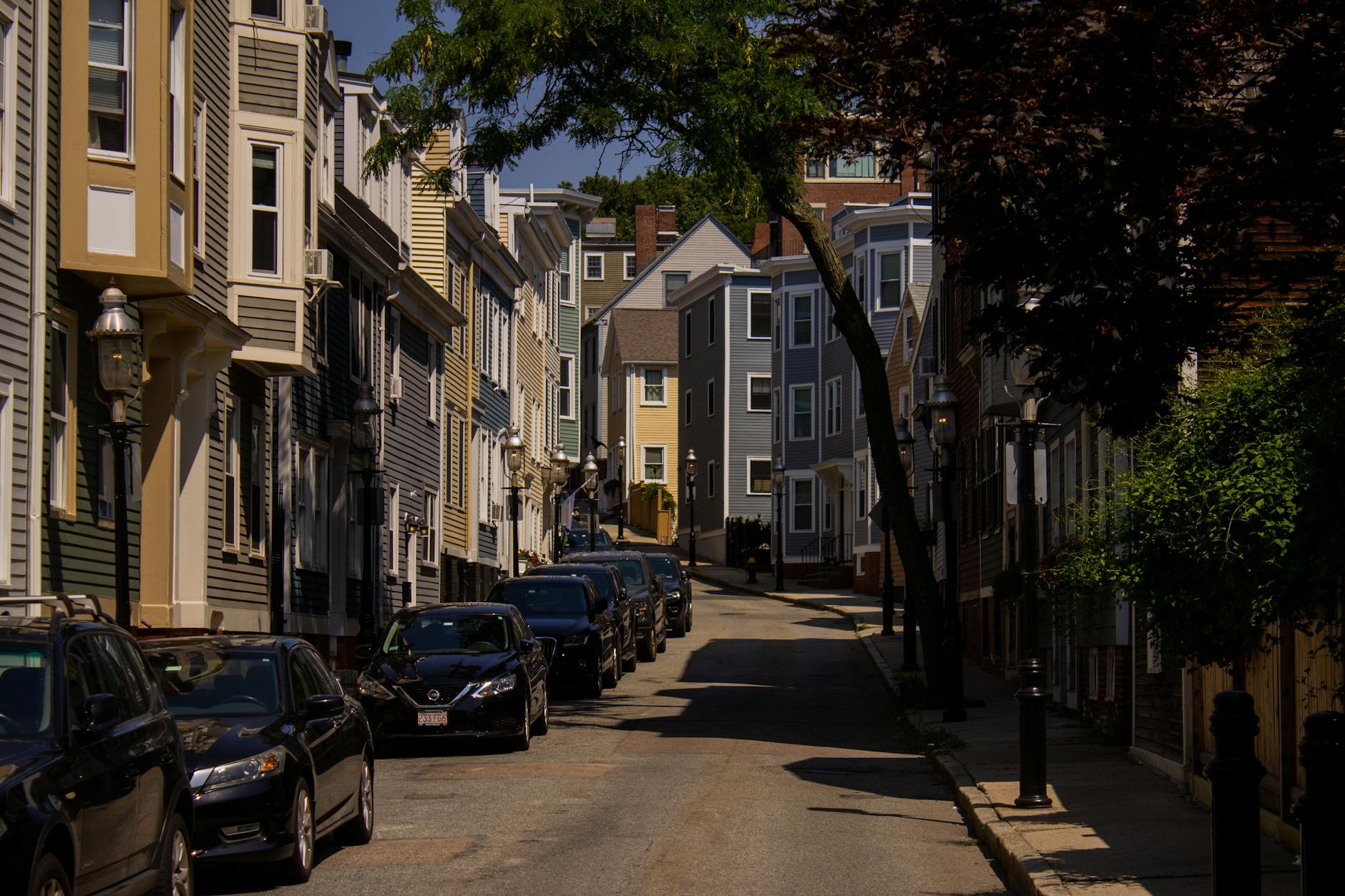
The descent after Heartbreak is real and it is exactly what your legs don't need right now. The grades from mile 21 to 21.4 hit -4.54%, steep enough to cause buckling in quads that absorbed the opening 4-mile descent and have now climbed four Newton hills. Don't chase the downhill. Let it carry you without surrendering to it.
The Chestnut Hill Reservoir appears on the right as the course bends toward Cleveland Circle. Watch your footing on the Green Line trolley tracks at mile 22.5, the metal rails are slippery. The crowd builds with every quarter mile. By mile 22 you are in Boston and by mile 23 the sidewalks are deep with spectators. After miles of rolling New England suburbs, the density of sound feels different. Boston University students line Commonwealth Avenue at mile 24 and the city is beginning to arrive in full.
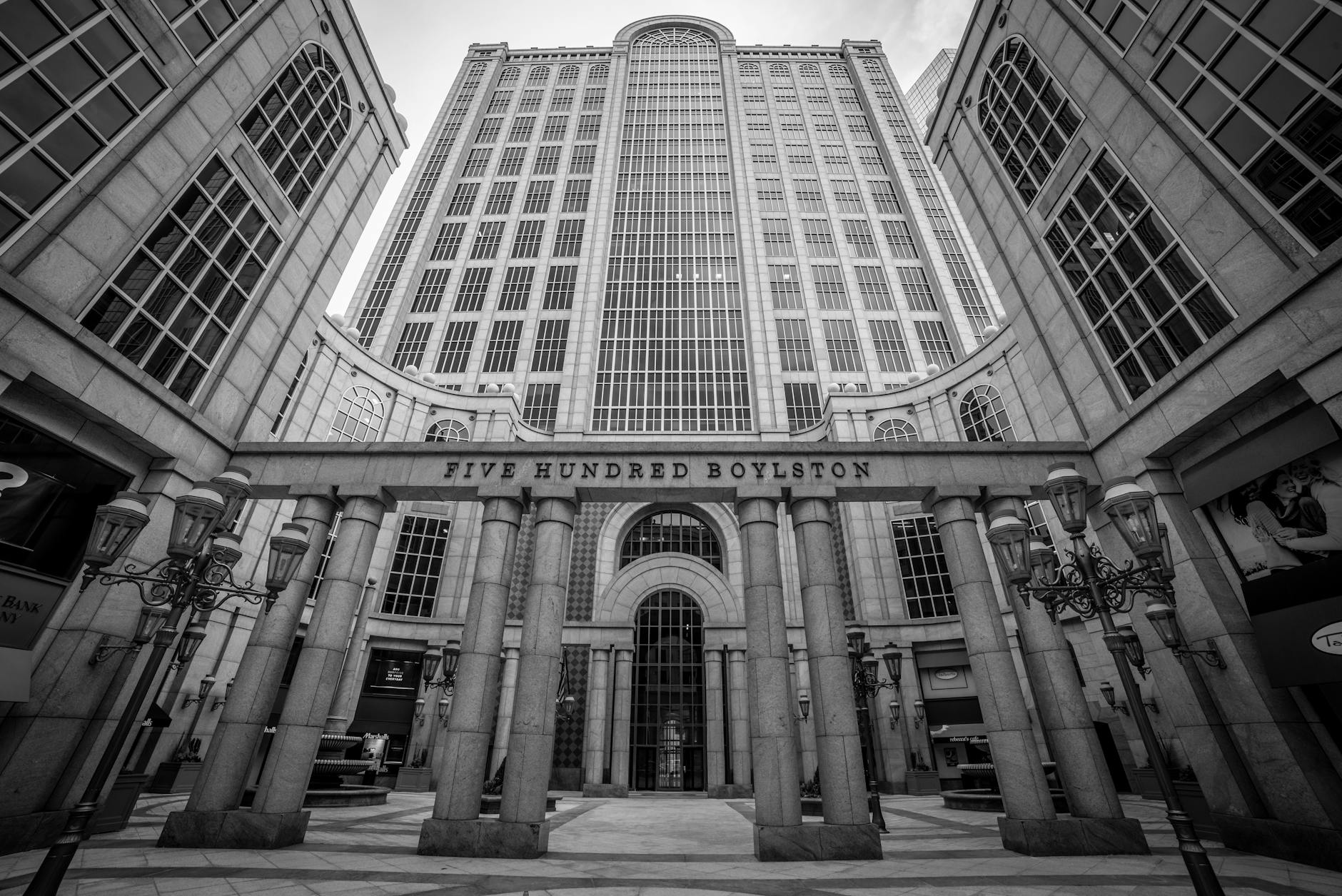
Every year since 1903, the Boston Red Sox have played a home game at Fenway Park on Patriots' Day, starting at 11:05am. When the game ends, typically around the time the middle of the field is finishing, the crowd walks out of Fenway and into Kenmore Square. The runners entering the final mile run directly into the intersection of 30,000 baseball fans and the finish-line crowd.
The Citgo Sign appears at mile 25.2. It is a 60-foot illuminated triangle that has stood above Kenmore Square since 1965 and has been a Boston landmark since the first time a runner saw it on the horizon and thought they were almost done. You are not almost done at mile 25.2. The sign is visible from far enough away that it is genuinely unhelpful as a distance marker. Ignore it. Run to the mile markers.
At mile 25.8: right on Hereford Street. There is a slight uphill that feels like a personal insult at mile 25. It is approximately 1.9% grade over a short block. At this point in the race it will feel steeper.
Then: left on Boylston. The finish line is four blocks ahead. The crowd on Boylston Street is the loudest you will have heard since the Wellesley Scream Tunnel, except it is continuous and it is not going anywhere and it runs the full length of the final stretch. The Boston Public Library is on the right. The blue and yellow finish line is ahead. This is the most famous finish in road running. You started in Hopkinton. You are finishing here.
You don't need to remember all of this on April 20. We give you a voice in your ear that knows what's coming, including the exact moment the opening downhill wants to pull you out too fast, what Newton Lower Falls is going to feel like at mile 16, and how to pace Heartbreak when you get there.
This isn't a generic plan. It's built around this course.
Get your race partnerFree · iPhone + Apple Watch
Boston doesn't run like other marathons because it doesn't ask the same question. Every course has hard miles. Boston's hard miles come specifically packaged to find every mistake you made in the first half. The opening descent loads your quads. The middle miles ask for patience on terrain that feels manageable. Newton arrives at mile 16 and the hills are only as hard as you allowed the first 16 miles to make them. Heartbreak is not a mountain. It's a test of whether you respected what came before it.
The things that break people at Boston are not surprising in retrospect. Going out fast in Hopkinton because it felt easy. Running even splits through Framingham and Natick because it felt like the right thing to do. Arriving at the Route 128 overpass at mile 16 with nothing left for four more hills. Every one of those decisions is made in the first third of the race.
Run the opening miles like someone who knows what the course does. Find your rhythm through the middle. Get to Newton with legs. If you do that, Heartbreak is survivable, the descent through Brookline is a relief rather than a liability, and the left onto Boylston feels like what it should: the end of something you earned twice, once in qualifying, and once by running the race correctly.
You don't need to remember all of this on race day. We give you a voice in your ear that knows what's coming, when the opening grade is moving you too fast, what Newton Lower Falls feels like at mile 16, and how to run Heartbreak when your legs are asking questions you can't answer.
Scott's a good fit here. The blend of energy and facts you need when the Newton Hills start and someone needs to be in your ear telling you what's ahead while keeping you in the fight.
This isn't a generic plan. It's built around this course.
Get your race partnerFree · iPhone + Apple Watch