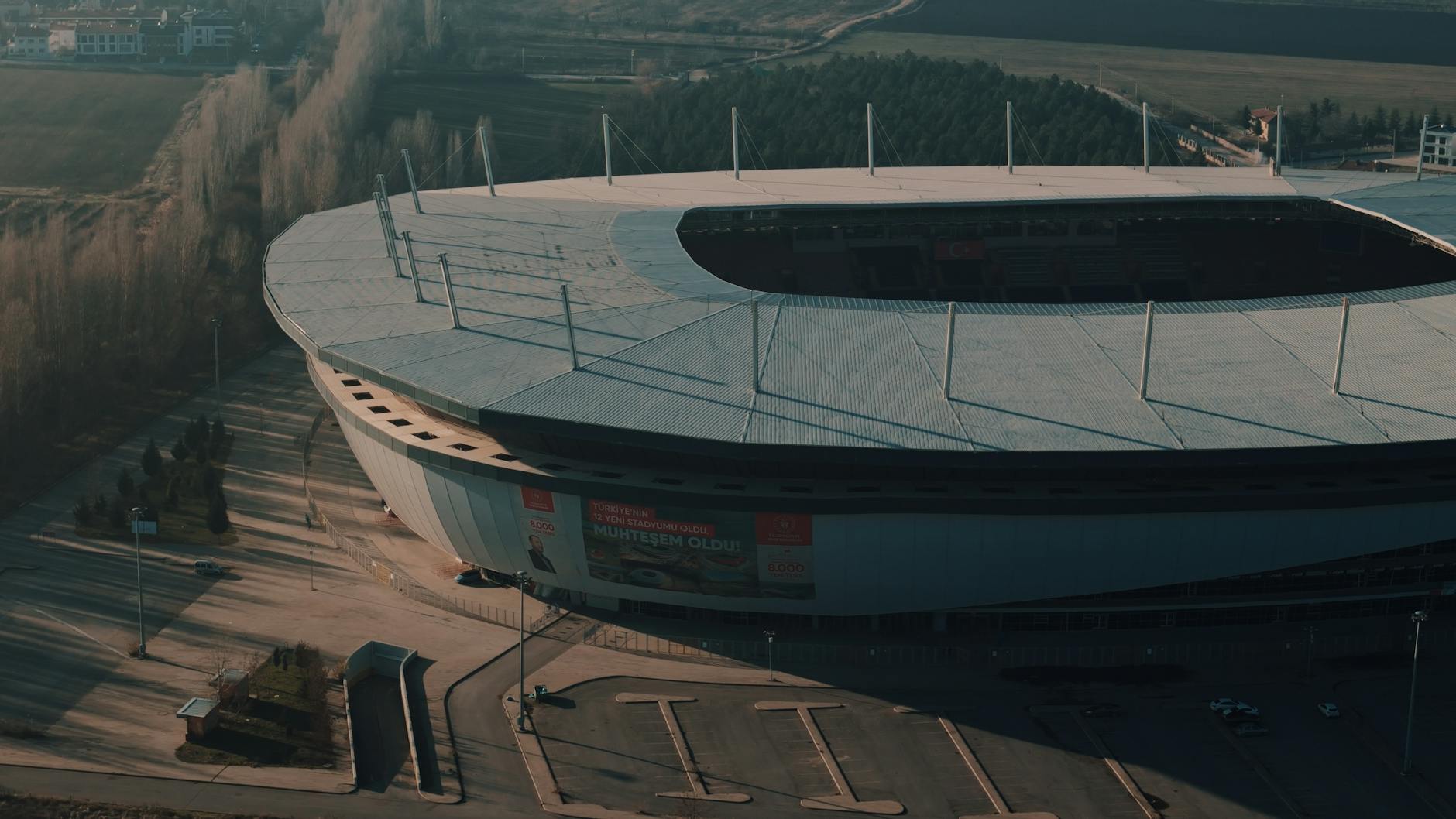
One week before the 152nd Kentucky Derby, through Louisville's Victorian neighborhoods, the Churchill Downs infield, and an Olmsted-designed park with the highest point in the city, while the whole town is already in full celebration mode.
This breakdown is based on detailed course mapping, historical race conditions, and real runner feedback from past years.
You signed up for Louisville the last weekend of April because it sounded like a good race in a good city at a good time of year, and something about the Churchill Downs access felt like a reason beyond the usual ones. That instinct is correct. The Derby Festival Marathon is a legitimate, well-organized race through a city that happens to be in the middle of its biggest week of the year. The twin spires appear at mile 6. The whole course is lined with a city that is out and celebrating and not particularly focused on containing itself.
The course loops through nine sections of Louisville, downtown, Old Louisville's Victorian grid, Churchill Downs and the Southern Parkway, Iroquois Park, the long return up Third Street, NuLu, the Ohio River waterfront, and a final out-and-back on River Road to the finish at Lynn Family Stadium. It is mostly flat with one meaningful exception: Iroquois Park, which arrives at mile 10.8 with 125 feet of climbing through an Olmsted-designed forest at the highest point in Louisville. The course nets almost perfectly flat. The weather does not.
A few things worth knowing before April 25. This race starts at 7:00am and Louisville in late April means temperatures that can reach 70°F by midday. The back half of the course, miles 14 through 22, runs on open roads with 10-30% shade and SW wind exposure. Runners who go out in the cool morning air and run the Iroquois Park section too hard find the open return miles considerably harder than they needed to be. The Derby buzz is real and it will tempt you to run faster than you should through the first five miles. The crowd will help with that. Resist it.
By terrain, exposure, and how effort changes across the race.
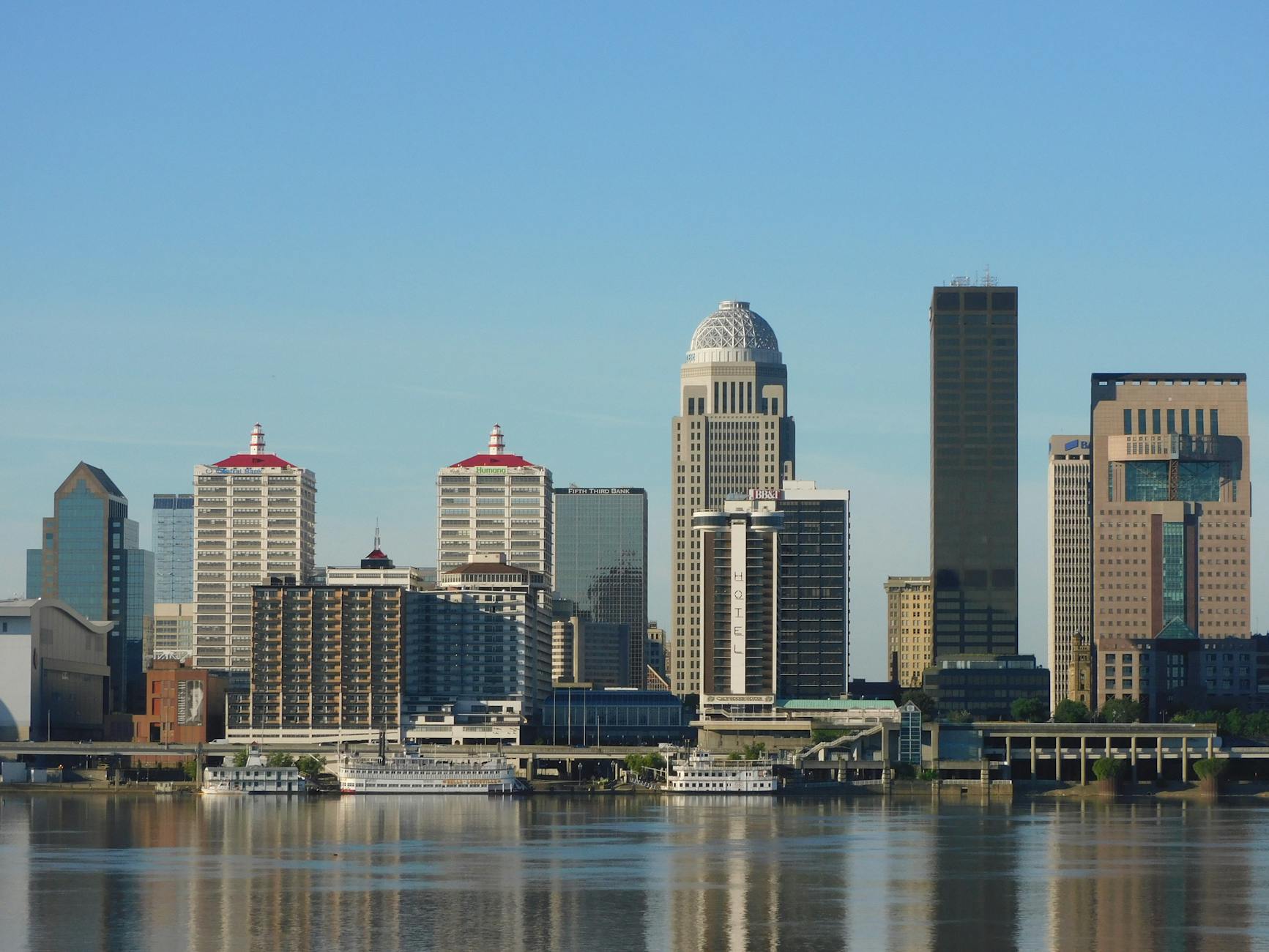
The race starts at 7:00am on Main Street near Louisville Slugger Field, a classic minor league ballpark opened in 2000, home of the Louisville Bats, sitting on the Ohio River waterfront. Downtown Louisville in Derby week is different from downtown Louisville the rest of the year. The whole city has been building toward the first Saturday of May for weeks and the marathon is woven into it. The crowd at the start reflects that.
10% shade and SW wind on the exposed downtown grid. Add 10 seconds per mile and let the energy exist without running into it. The first 2.5 miles are the most exposed on the course and the warmest air of any morning section.
Aid stations throughout approximately every 1.5-2 miles
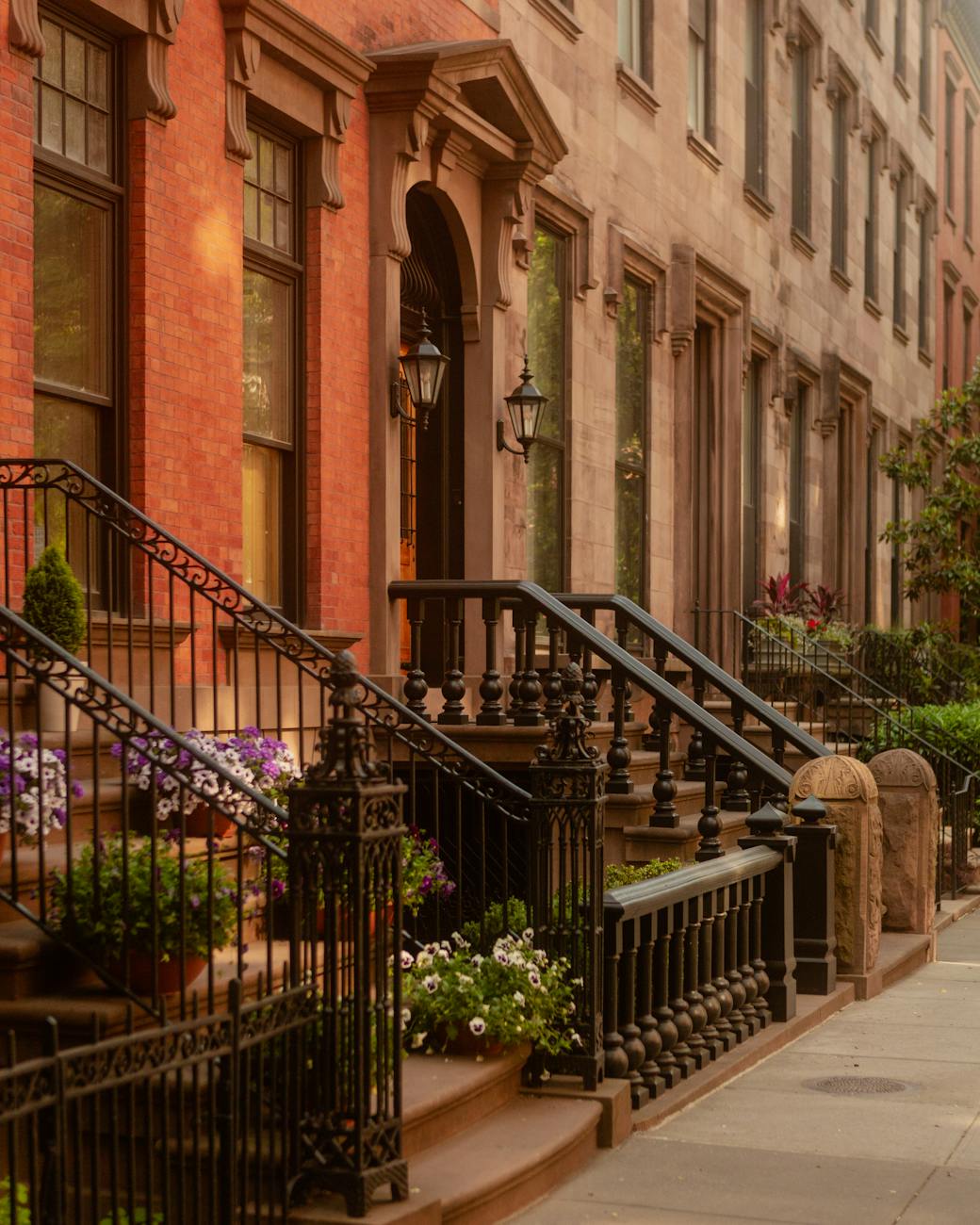
Old Louisville is one of the largest preserved Victorian neighborhoods in America. Gas-lamp streetscapes, Italianate and Queen Anne brownstones, block after block of architecture that has been standing since the 1880s. The neighborhood knows the race is coming and residents come out. Cowbells, folding chairs, handmade signs. Some are handing out snacks.
25% shade from the residential canopy and some SW wind protection from the tighter street grid. This is the most visually interesting neighborhood on the course and it arrives early enough that you can actually look at it. Use these miles to find your rhythm. Iroquois Park is at mile 10.
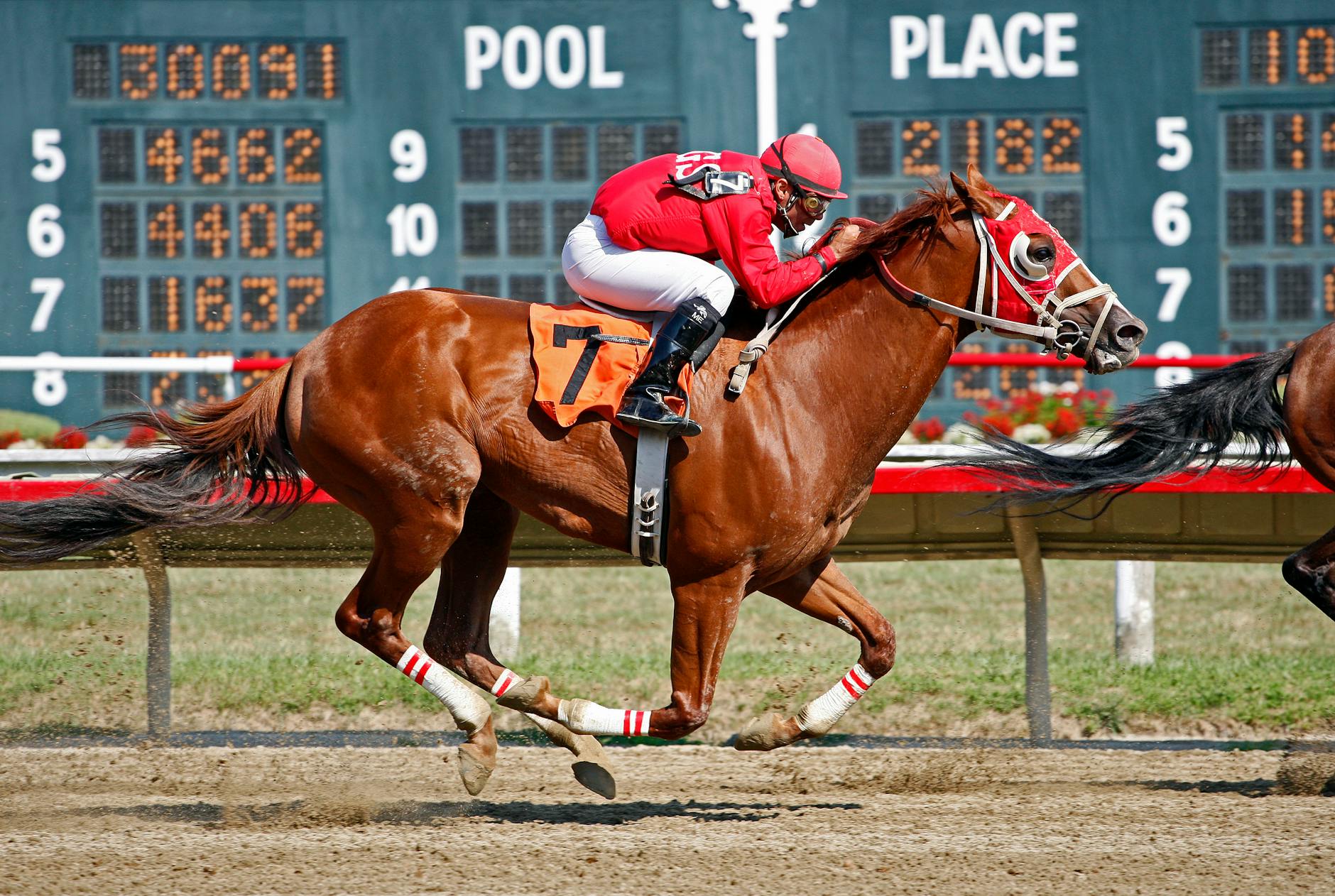
The twin spires appear at mile 6. They have been standing since 1895, when a new grandstand was built on the west side of the track and architect Joseph Baldez added the paired steeples that became, without much intention, the symbol of an entire sport. The Kentucky Derby runs on this dirt oval in seven days. The signage between the spires was just updated to read 152.
You run through the infield. Runners consistently describe this as the most memorable section of the course. Horses are often doing morning workouts on the backstretch when the race passes through. The track is quiet and enormous and smells like Kentucky in April.
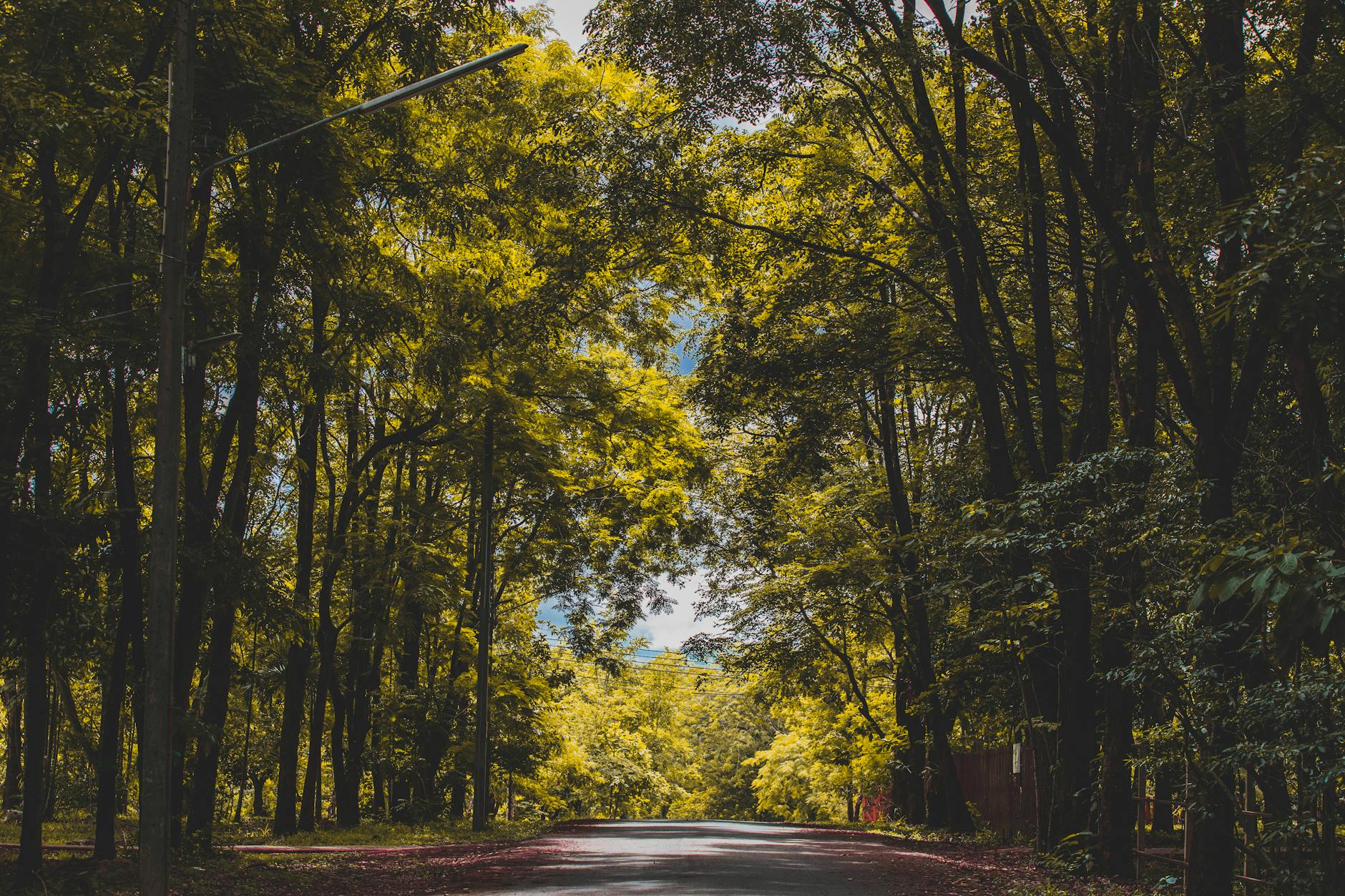
From Churchill Downs the course moves onto Southern Parkway, one of Louisville's grand Olmsted-designed divided boulevards, tree-lined and wide, connecting the Downs to Iroquois Park. Frederick Law Olmsted designed this parkway system in the 1890s as a connected series of green corridors through the city. You are on one of them, and Iroquois Park is at the end of it.
20% shade on Southern Parkway. The morning is still cool. The park is coming.
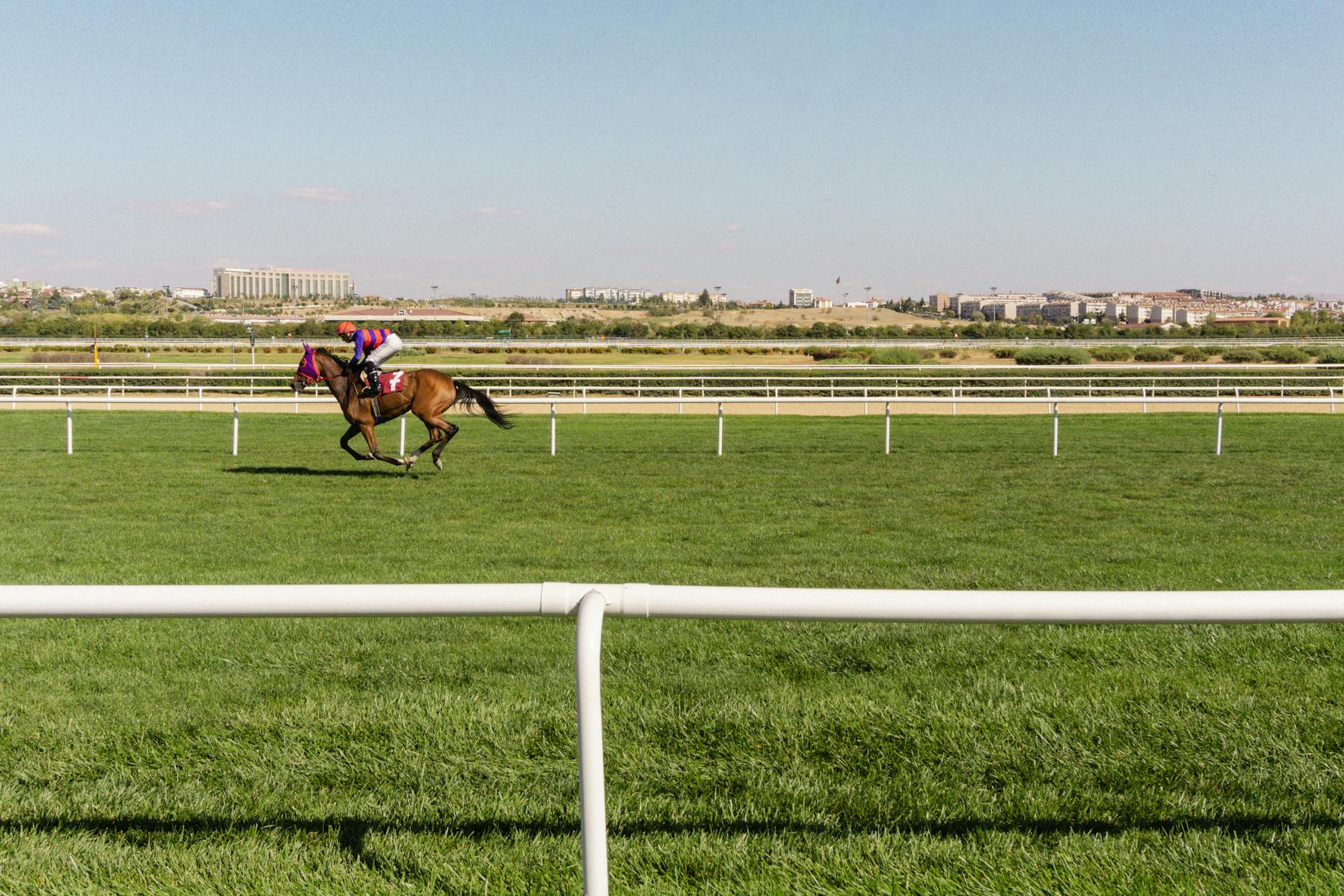
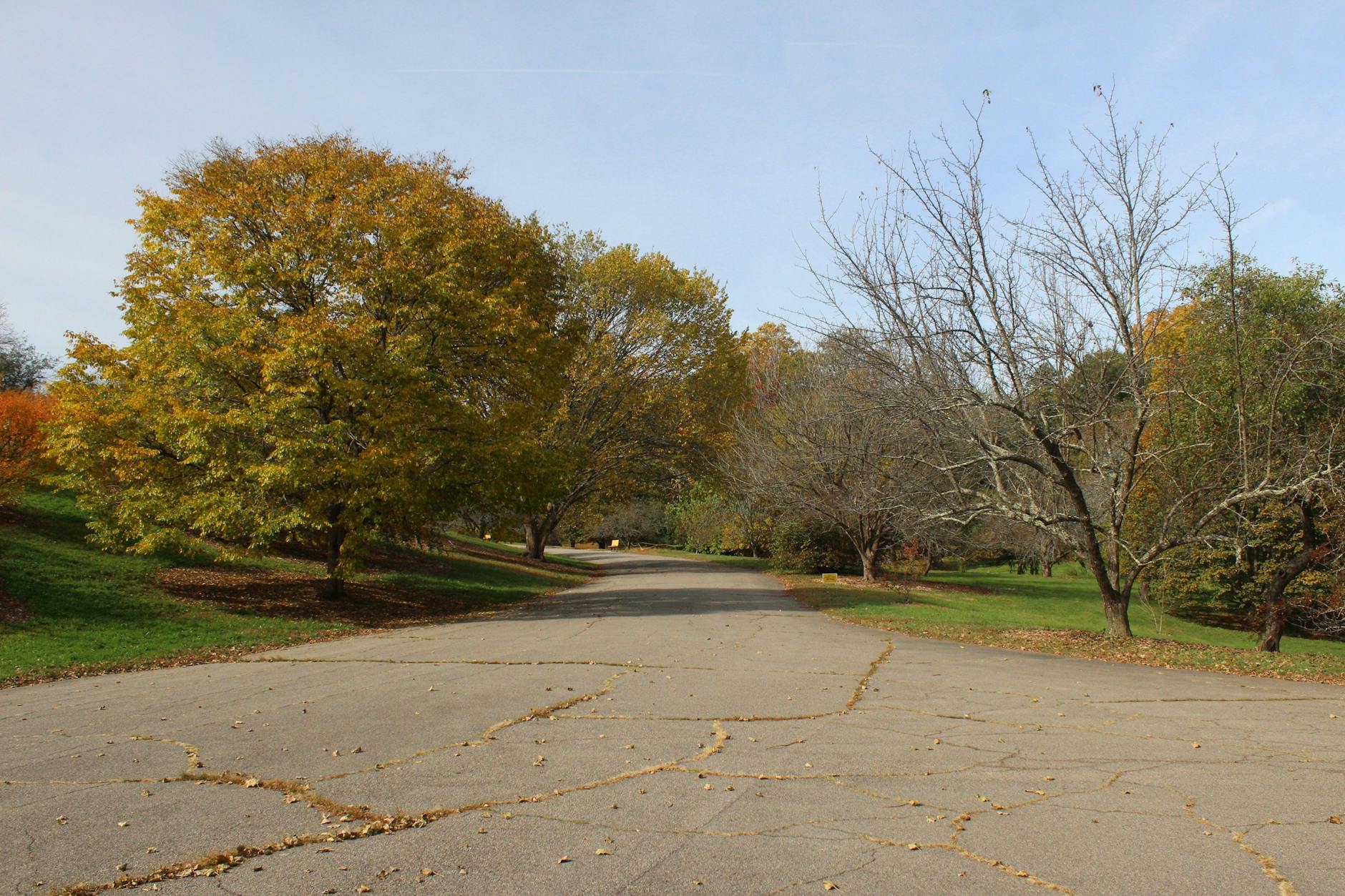
Iroquois Park is 739 acres of Olmsted-designed forest at the highest point in Louisville. The climb starts at mile 10.8 and gains 125 feet at 1.8% average grade through dense hardwood canopy, 65% shade, the most shelter on the entire course. The road winds through the park and the city disappears.
Run by effort. Add 8-10 seconds per mile and hold it there. The grade is sustained and arrives after Churchill Downs, miles of open road, and a morning that is warmer than the 7:00am start suggested. The summit is around mile 12, and there's another punch, 55 feet at 2.0%, before the descent begins in earnest. Runners who treat Iroquois like a flat section find the long return on Third Street considerably harder.
The descent from the park drops through the southern Louisville neighborhoods at the other side, 65% canopy through the trees giving way to the open residential roads below.
The road comes down from the summit through the park's amphitheater area and back into the southern Louisville residential grid. 65% canopy through the descent transitions to 30% as the park ends and the neighborhood begins. The crowd is light here, these are residential side streets with the occasional front-porch spectator.
Run the descent conservatively. The long straight return on Third Street is the next section and the quads you preserve here are the ones you run it with.
Nearly four miles of Third Street northbound back toward downtown. This is the longest straight stretch on the course. 30% shade, partial SW wind from the south, and the Derby Festival energy has thinned to neighborhood-level warmth, residents out on porches, occasional music, the kind of support that sustains rather than ignites.
This is where the warm morning and the Iroquois Park decision show up. Run goal pace through here if you have it. If the first half went out too fast, this is the section that extracts payment. The grade is mostly flat with a gentle sustained drift, 0.2% average over six miles, that doesn't show on the course map but accumulates.
Stay patient. The NuLu energy at mile 19 is coming.
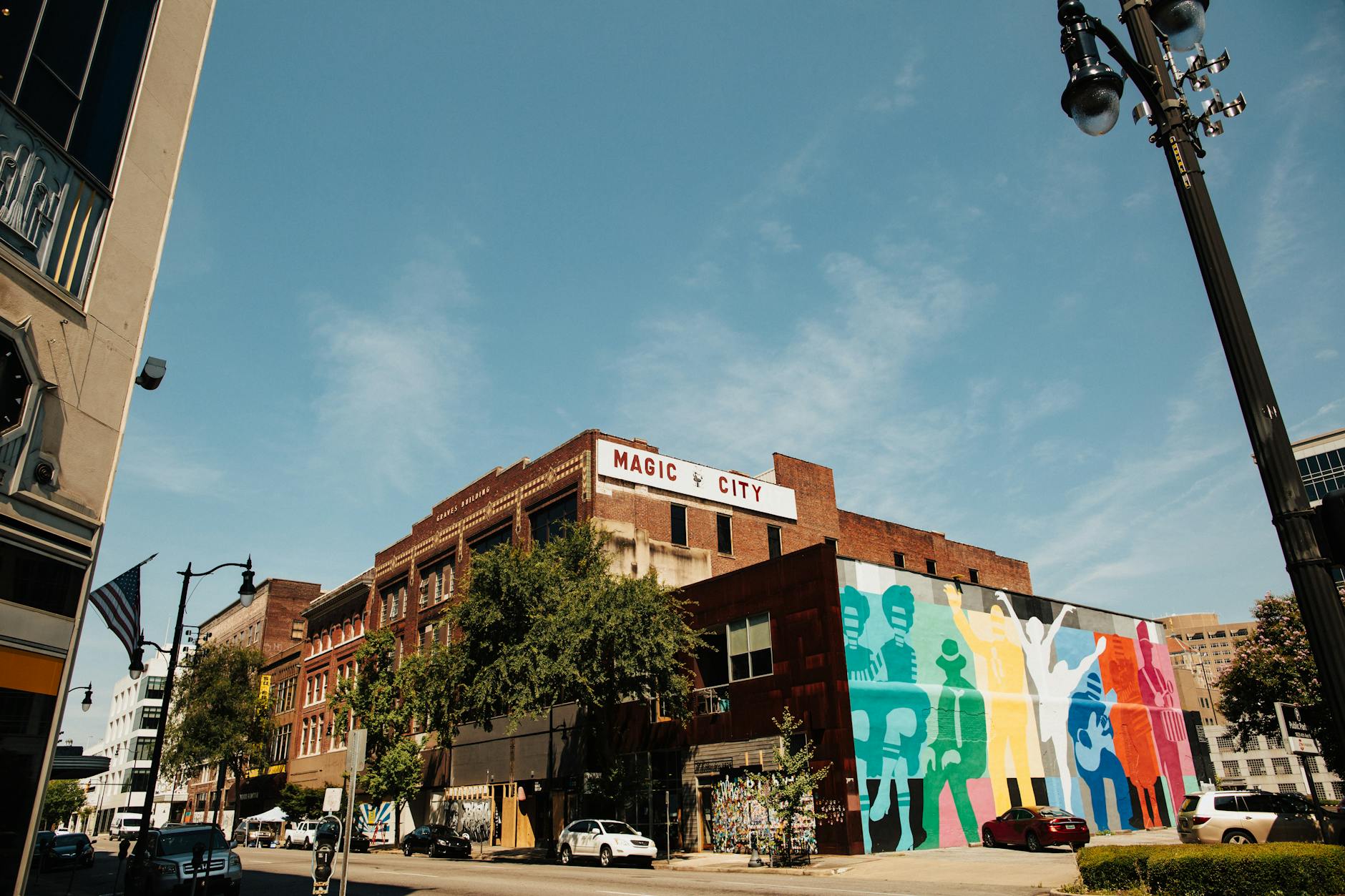
NuLu, Louisville's arts and entertainment district on East Market Street, brings the crowd back with some energy. Murals, independent restaurants, the kind of neighborhood that's been awake and caffeinated since the start. Then the course opens onto the Ohio River waterfront and 85 acres of riverside greenway.
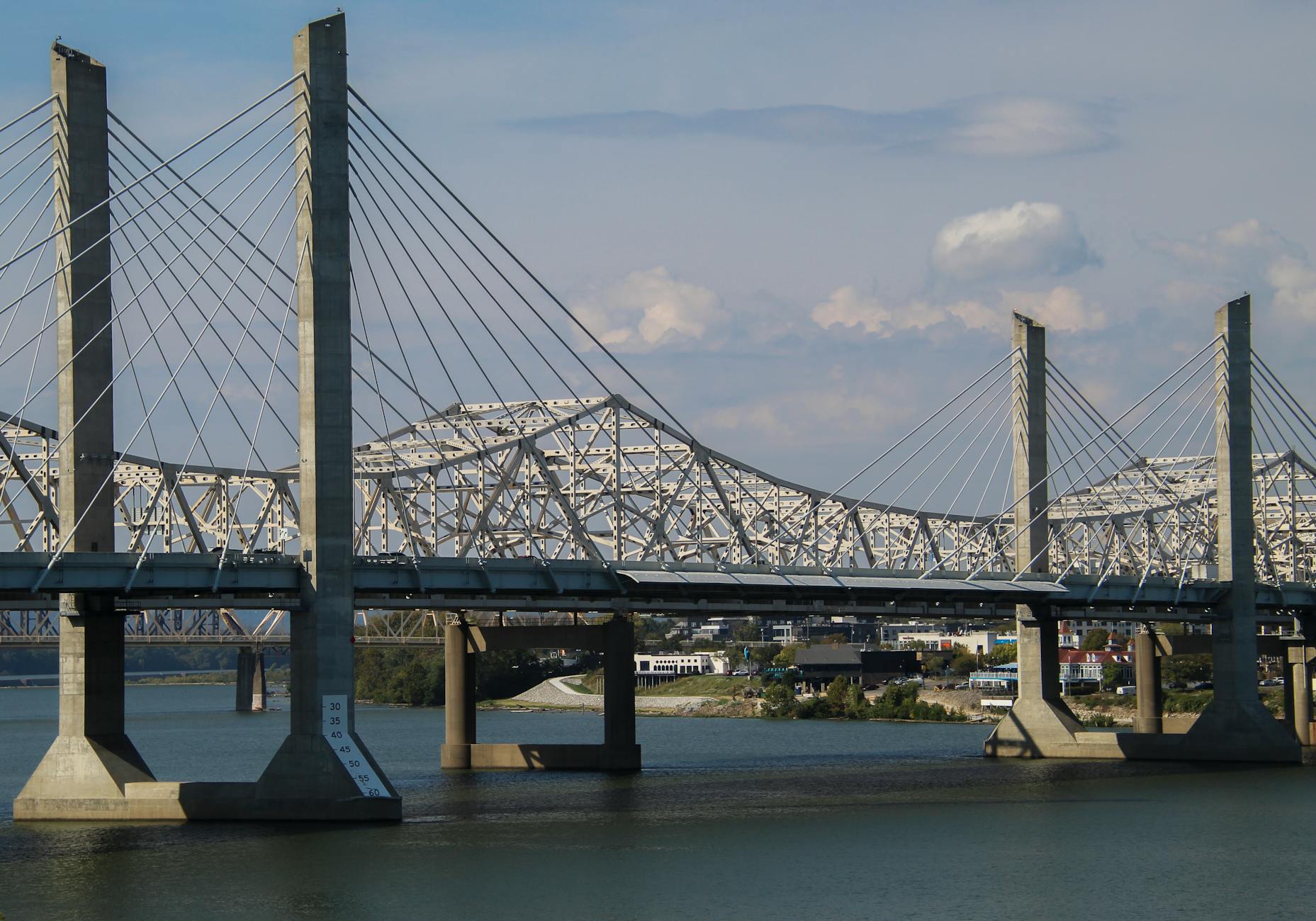
The waterfront is the most exposed section on the course: 10% shade, SW wind off the open river, mid-morning sun on the water. The Big Four Bridge, a repurposed 1895 railroad bridge converted to pedestrian use, is visible across the way, connecting Louisville to Jeffersonville, Indiana. The views are good. The shade is not.
Run 3-5 seconds faster than goal pace through here if you have it. The out-and-back on River Road is the final section.
The marathon-only section heads east on River Road past the Waterfront Botanical Gardens and Eva Bandman Park to the turnaround. 15% shade, SW wind, the Ohio River to your right. The crowd is the lightest it has been since Iroquois Park.
This is the lonely stretch. Every marathon has one; this one arrives at mile 22 with the finish two miles after the turnaround. The river is genuinely beautiful. The wind is persistent. Run by effort, hold your form, and get to the turnaround. The finish is on the other side.
After the turnaround, River Road returns to the waterfront and the crowd builds back toward downtown. The finish is at Lynn Family Stadium, home of Louisville City FC and Racing Louisville FC, opened in 2020, where the post-race party is already underway. The final 1.7 miles retrace River Road with the thickest crowd of the back half arriving in the final stretch.
The last 3.3 miles carry a slight sustained upward drift, 32 feet at 0.2% grade, that won't register as a climb but costs something at mile 25. Run what you have. The city is in Derby week, the stadium is ahead, and the longest continuously-held annual sporting event in America is happening on that dirt oval seven days from now.
You don't need to remember all of this on April 25. We give you a voice in your ear that knows what's coming, including the Churchill Downs infield, the exact point where Iroquois Park starts to cost you, and how to run the back half when the shade runs out and the temperature doesn't.
This isn't a generic plan. It's built around this course.
Get your race partnerFree · iPhone + Apple Watch
Louisville in Derby week is a specific thing. The city is in a good mood in a way that comes through in the race, the crowd support rating is 4/5 not because the course goes through a stadium district but because residents are already outside and already celebrating. Running through the Churchill Downs infield a week before the Derby is the kind of access that most people will never get another way, and it arrives at mile 6 when you're fresh enough to actually notice it.
The race is manageable if you respect what it asks for. The Iroquois Park climb at mile 10 on a warm April morning is the one place where it gets genuinely hard, and it's the one place most runners underestimate because the grade looks modest on paper. The back half runs in heat with limited shade on open roads. Those two things together, Iroquois and the warm return, reward runners who went out conservatively and punish the ones who ran into the Derby energy in the first five miles.
Keep the opening miles controlled, run Iroquois Park by effort, and get to Third Street with legs. Do that and the waterfront miles feel manageable and the finish at Lynn Family Stadium feels like exactly what it is: the end of a good race in a city that was having a party anyway.
You don't need to remember all of this on race day. We give you a voice in your ear that knows what's coming, when the Derby buzz is pulling you out too fast, how to pace the Iroquois climb, and what to do when the back half opens up and the shade disappears.
Samantha's a good fit here. The energy matches Louisville in Derby week, keeps things light when the back half gets warm, and is exactly the kind of voice you want when mile 20 on Third Street needs something other than silence.
This isn't a generic plan. It's built around this course.
Get your race partnerFree · iPhone + Apple Watch