Illinois
April 25, 2026 @ 7:00 AM
illinois marathon
Marathon RRCA Championship Difficulty ★★☆☆☆

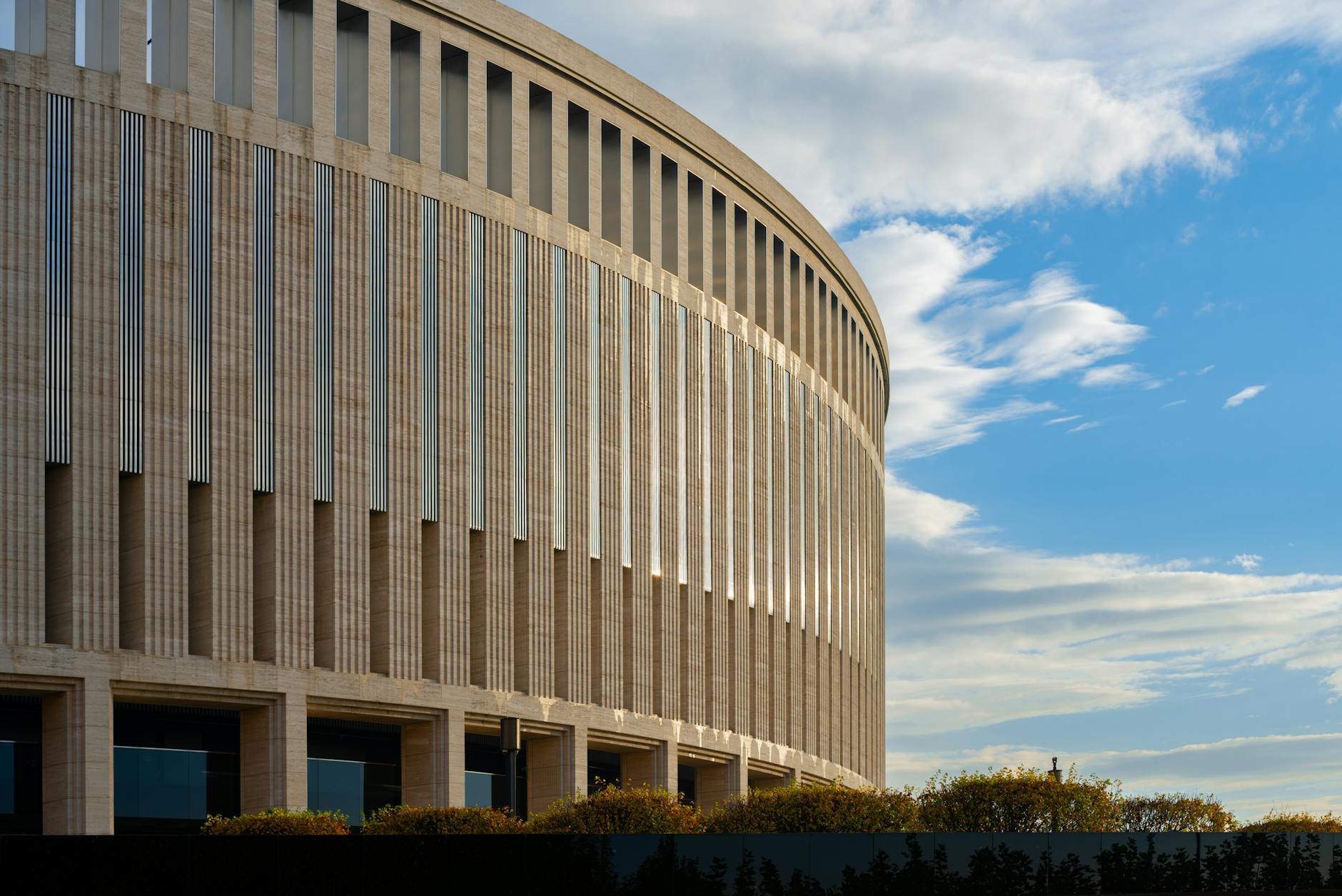
Through the University of Illinois campus, downtown Champaign-Urbana, and the flattest corn-country course in the Big Ten, finishing on the 50-yard line of a stadium built to honor 183 students who didn't come home from World War I.

PaceKit By PaceKit Team · Updated April 2026 · Built from course data, historical conditions, and runner reports
Course Difficulty
2/5
Flat college-town loop. 448 ft total climbing. One real climb at mile 17.6. Stadium finish on the 50-yard line.
Climbing
Steepness
Exposure
Placement
What You Need to Know
  1. CAMPUSTOWN ON GREEN STREET IS THE LOUDEST MILE ON THE COURSE Students line the sidewalks several rows deep. It arrives at miles 2.5 to 5.5 and will pull you faster than you should go. Add 8 seconds per mile through it.
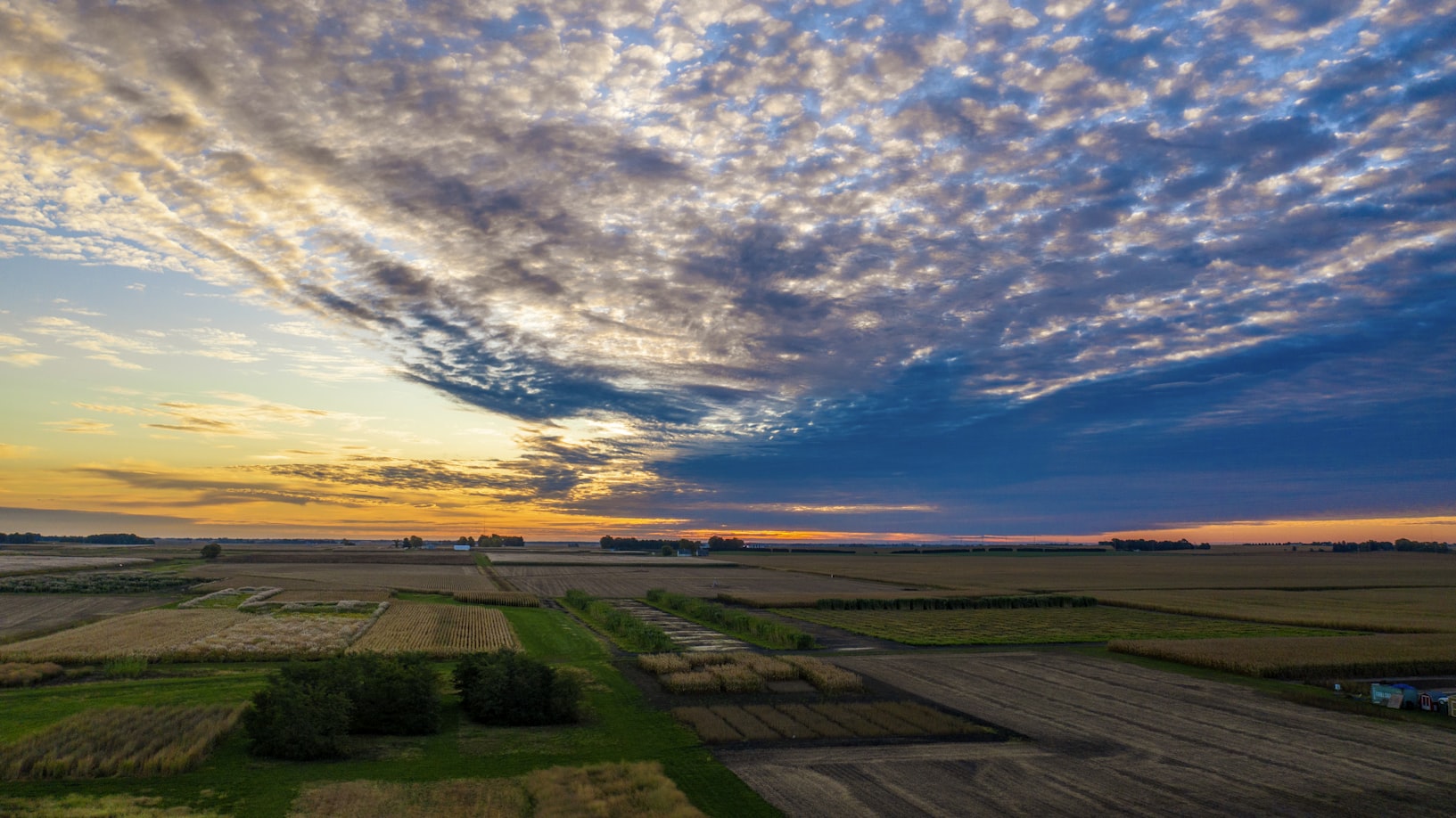
  2. MILES 18-24 ARE WHERE ILLINOIS MARATHONS END Exposed SW wind, 15-20% shade, sparse crowd, and a 57-foot climb at mile 17.59. Runner after runner uses the phrase "pretty lonely." That's not hyperbole.
  3. THE COURSE IS GENUINELY FLAT Nearly every runner who has done this race mentions the same thing: they expected a mild Midwest hill somewhere meaningful and found nothing. What exists is grade so gentle it doesn't register until you're adding up what 24 miles of it did.
  4. THE FINISH IS ON THE 50-YARD LINE OF GIES MEMORIAL STADIUM Built in 1923, dedicated in 1924 when Red Grange scored six touchdowns against Michigan in the first 42 minutes. 200 columns on the facade bear the names of Illinois students who died in WWI. You run through a tunnel onto the field.
  5. WIND IS THE MAIN VARIABLE Central Illinois in late April. Flat terrain, open roads, no natural windbreaks. Check the forecast.
Elevation Profile
Campustown Urbana The Climb Stadium
the brief

This breakdown is based on detailed course mapping, historical race conditions, and real runner feedback from past years.

Champaign-Urbana is a college town in the middle of Illinois that takes its marathon seriously. The Illinois Marathon has been selected as the 2026 RRCA Central Region Marathon Championship, it has a course record of 2:18:11, and it fills its field with runners chasing BQs and PRs who have done the research and know that flat prairie courses in cool April mornings produce fast times. The race is organized with the kind of care you expect from a program that has been doing this long enough to care about the details: 17 hydration stations, free race photos, live music at multiple points, a post-race celebration with live music outside the stadium. The finish inside Memorial Stadium is one of the more memorable in the Midwest.

The course loops through the University of Illinois campus, Campustown, southeast Champaign neighborhoods, north Urbana, downtown Urbana, west Urbana subdivisions, the Research Park, and back through campus to the stadium tunnel and the field. 448 feet of total climbing over 26.2 miles. Not nothing, but distributed so gradually across the course that the dominant experience is flatness interrupted by a meaningful back-half climb at miles 17.6 to 18.3. The university section delivers some of the best crowd energy available in college town road racing. What comes after it is where the race is actually decided.

A few things worth knowing before April 25. The 7:00am start on a late April Saturday morning in central Illinois means genuinely variable weather. Runners report everything from ideal mid-40s to warm and humid. The wind matters significantly on this course: flat, open roads with minimal tree protection means a headwind at miles 16 to 20 can be a meaningful factor. Miles 18 through 24 are consistently described as the loneliest stretch on the course, with sparse crowd support and 15-20% shade on open arterial roads. Plan for it specifically. And know that the tunnel into Memorial Stadium, when you finally reach it, is worth everything you did to get there.

Your Priorities
01
Campustown will try to take your first half. Green Street at miles 2.5 to 5.5 is loud, festive, and will pull you 15-20 seconds per mile faster than your plan if you let it. Add 8 seconds per mile through the university section and treat the crowd as fuel for later, not permission to open up now. The back half of this course is exposed and lonely and it will ask for everything you kept.
02
The west Urbana climb at mile 17.6 is the race's defining moment. 57 feet at 1.5% grade over 0.71 miles, arriving after 17 miles of nearly flat running on a course that gave you no reason to expect a meaningful climb. It is not long. At mile 17 of a marathon it lands differently than it would at mile 5. Budget 10-12 seconds per mile over goal pace through miles 14 to 18 and don't fight the climb.
03
Miles 19-22 are where the race plan needs to already be in the bank. Open roads, SW wind exposure, 15-20% shade, no crowd. The Research Park section and the north Champaign return are the mental work of this race. If you ran the first half correctly, you have something left for them. If you ran Campustown wrong, you don't.

segment breakdown

By terrain, exposure, and how effort changes across the race.

ut campus Miles 0-2.5
15% shadeS partial Flat
ut campus

The race starts near the State Farm Center on First Street, the premier indoor arena on the U of I campus, home to Illini basketball. The campus is wide and flat and the crowd at the start is the largest it will be until the stadium. Free parking, free bagels and coffee at the start, and corrals that are genuinely well-managed for a non-major.

15% shade on the open campus roads, partial S wind through the building corridors. The first mile and a half run essentially flat. Add 8 seconds per mile and resist the morning energy. Campustown is ahead and it is louder than this.

Aid stations approximately every 1.5 miles throughout, with 17 hydration stations total

campustown Miles 2.5-5.5
20% shadeHeavy crowd+43 ft
campustown

Green Street. The commercial and entertainment district directly south of campus. Students out on the sidewalks several rows deep. Live music at points. The noise on this stretch is the loudest crowd support on the course and it arrives less than three miles in, when the legs are fresh and the adrenaline is still full.

Add 8 seconds per mile through here and mean it every time the noise tells you not to. One runner's review says the same thing in different words: "My strategy was to run with the 3:50 pacer... I really needed to start slower and more conservatively so I would have energy at the end." That strategy is right. Campustown is where that decision gets made for most runners.

A 43-foot climb at mile 6.31 and a 21-foot punch at mile 5.49 punch through the neighborhood transition. Add another 8-10 seconds per mile. The Urbana residential miles are the reset.

southeast champaign Miles 5.5-8.5
30% shadeS partial +31 ft
southeast champaign

The course moves into the quieter southeast Champaign residential grid: tree-lined avenues, modest homes, the crowd thinned to front-porch warmth. 30% shade and partial S wind protection from the neighborhood canopy. Nothing dramatic happens here.

Run at goal pace and let the legs settle from whatever Campustown did to them. A 31-foot climb arrives at mile 8.9, the most grade you've seen since the Green Street section. Short and manageable. The Urbana loop follows.

north urbana Miles 8.5-11.5
40% shadeSheltered Flat
north urbana

North Urbana's wide residential streets carry 40% canopy, some of the better shade between Campustown and the finish. Homeowners out on front porches, local energy, the kind of crowd that is small enough to make individual cheers meaningful. Meadowbrook Park and Crystal Lake Park anchor the Urbana character: native prairie plantings, quiet recreation areas, old residential neighborhoods that know the race is coming.

Find your rhythm and run at goal pace. Miles 11 through 14, through downtown Urbana, are the cleanest flat section of the second half.

downtown urbana Miles 11.5-14.5
20% shadeSheltered Flat
downtown urbana

The halfway point arrives in downtown Urbana, near Lincoln Square and the Urbana Market at the Square, a weekly farmers market that has been a gathering point for this community for decades. The crowd picks back up with a festive, neighborhood-scale energy.

Use the halfway point as information. Check your split. If you've been running goal pace through here after going out conservatively through Campustown, you are in position. If not, this is the moment to correct before the west Urbana climb makes correction significantly harder.

Miles 12 to 14 carry the flattest terrain of the second half, rolling gently between minor grade changes, sheltered from SW wind, 20% shade.

the climb Miles 14.5-18
15% shadeSW wind+57 ft
the climb

The course's hardest sustained grade arrives at mile 17.6 and doesn't let go until mile 18.3. 57 feet at 1.5% average grade, the steepest pitch on a course that has otherwise given you almost nothing to contend with. It arrives after 17 flat miles on legs that have not been asked for this, with 15% shade and SW wind exposure in western Urbana's open subdivision corridors.

This is the defining section of the back half. Budget 10-12 seconds per mile over goal pace through the full miles 14 to 18 block. Don't try to race the climb. Get over it with something left. The Research Park and the long north Champaign return are on the other side, and they are not forgiving.

Grade note: "a little steep elevation you do twice" is a recurring runner observation. The mile 18.77 climb (26 feet, 1.1%) and the 17.6 climb are both here in this block.

research park Miles 18-21
15% shadeSW windFlat
research park

The course flattens through the Research Park and southwest campus corridor. The Research Park is a legitimate innovation hub, startups, major tech companies, university spinouts, but at 7:30 on a Saturday morning in late April, what it offers the runner is wide, flat, mostly empty road with 15% shade and a SW headwind off open terrain.

This is the mental desert of the Illinois Marathon. Miles 18 through 21 have the sparsest crowd and the most exposure of any section after Campustown. Physically it is manageable, the terrain is flat, the grade minimal. Mentally it is the place where the race asks for what you saved in the first half. Run 5 seconds per mile faster than goal pace if you have it. The north Champaign return follows, the campus comes back, and the stadium is visible on the other side.

the gauntlet Miles 21-24.5
20% shadePartial +24 ft
the gauntlet

University Avenue northbound. The course turns back toward campus and the gradual psychological lift of heading toward the finish begins. Scattered spectators appear. Local running clubs show up at points. A mild upward drift builds from mile 22 to mile 24. 24 feet at 0.3% grade, that won't feel meaningful until it does at mile 23.

Carry effort rather than checking pace. The stadium is close. A 12-foot statue of Red Grange stands on the west side outside the tunnels. 200 columns line the facade, 183 of them bearing a name. The crowd at the stadium approach builds to the loudest it has been since Green Street.

gies memorial stadium Miles 24.5-26.2
10% shadeVariable Flat
gies memorial stadium

The stadium was built in 1923 as a memorial to the 183 University of Illinois students who died in World War I. Their names are on the columns. It was dedicated on October 18, 1924, when Red Grange, 21 years old, scored four touchdowns in the first 12 minutes of the dedication game and six by the final whistle, in a 39-14 demolition of a Michigan team that had not lost in 20 games. The Chicago Tribune called it: "one of the greatest performances in football history."

You run through the tunnel onto Zuppke Field and finish on the 50-yard line. The crowd in the stands is visible when the tunnel opens. Your image appears on the big screen. The race ends here, on this field, in a stadium that has been standing since the year that George Gershwin wrote Rhapsody in Blue.

get your race partner

You don't need to remember all of this on April 25. We give you a voice in your ear that knows this course. When Campustown is pulling you out too fast, what the west Urbana climb asks for at mile 17, and how to run miles 18 through 22 when the Research Park goes quiet and the stadium still feels far away.

This isn't a generic plan. It's built around this course.

Get your race partner

Free · iPhone + Apple Watch

Answered by Us (8 answers)

The Memorial Stadium finish: crossing the 50-yard line where Red Grange played
Through the tunnel, onto the field, across the 50
The marathon that came back: what the 3-year hiatus means for 2026
Dropped 2021-2023, RRCA Championship in 2026
Is the Illinois Marathon a good BQ course?
Course Score 99.12, flat prairie terrain
The lonely miles: what happens between 18 and 24
Sparse crowd, open roads, the mental desert
Meadowbrook Park and the bottleneck at mile 8
Beautiful prairie paths, narrow congestion
The college-town marathon: why Champaign-Urbana is a different kind of race weekend
Campus start, campus finish, campus everything
The one hill: mile 24 and the climb nobody expects on a flat course
85 feet of elevation, one real surprise
Illinois Marathon course: three communities, one flat loop, and why the reviews are 5 stars
Champaign, Urbana, Savoy, and the stadium

final notes

Illinois is a flat course that runs like one until the back half makes it clear that flat is not the same as free. Campustown at miles 2.5 to 5.5 is the best crowd experience on the route and the biggest pacing trap. The west Urbana climb at mile 17.6 is the only meaningful grade and it arrives at the worst possible moment. Miles 18 through 24 are genuinely lonely in a way that helps runners who went out conservatively and catches the ones who didn't.

The things that catch people here are predictable. Green Street energy sends runners out 15-20 seconds per mile too fast. The sustained flatness of miles 6 through 17 creates false confidence. And the Research Park miles at 18 through 21. Open, exposed, sparse crowd. are where the race account gets settled. Every runner who describes this course well says the same thing: the back half is lonelier than expected, and whether that's hard or manageable depends entirely on what you did in the first half.

Run Campustown with discipline, treat the university miles as a warm gift and not an invitation, and get to the west Urbana climb having saved something for it. Do that and the tunnel opens onto Zuppke Field with the crowd in the stands, and the finish line is on the 50-yard line of a stadium built as a monument and turned, on one October afternoon in 1924, into a legend.

run it with someone who knows the course

You don't need to remember all of this on race day. We give you a voice in your ear that knows what's coming. When the Campustown noise needs to be run through rather than into, what the west Urbana climb costs at mile 17, and how to pace the Research Park when the crowds disappear.

Jordan's a good fit here. Dry delivery, grounding presence, and exactly the voice you want when mile 20 of a flat course is somehow the hardest thing on it and you need someone who's not going to pretend otherwise.

This isn't a generic plan. It's built around this course.

Get your race partner

Free · iPhone + Apple Watch