The loudest start in American marathoning, and the loneliest finish you didn't see coming. 1,200 feet of sneaky climbing through honky-tonks, recording studios, a baseball diamond, and a stadium finish. Plus 4 miles of silence in between.
This breakdown is based on detailed course mapping, historical race conditions, and real runner feedback from past years.
You signed up for this because it's Nashville. The live music, the energy, the idea of running through a city that knows how to throw a party. And it delivers on that. Broadway shuts down for you. There are bands at every mile. You cross a finish line inside an NFL stadium. It's one of the most entertaining marathon experiences in the country, and it should be on your list at least once.
But here's what nobody tells you until you're standing in Shelby Park at mile 21 with no music, no crowd, and three hills left: this course is harder than it looks. The elevation chart shows 1,200 feet of total climbing, but it's spread out across eight separate climbs, none dramatic enough to prepare for, all of them enough to notice. The hills aren't the problem. The accumulation is. Nashville sits in a basin of rolling terrain, and the course makes no effort to avoid it. Combine that with late-April heat that's historically pushed past 80°F by the finish, and you're running a race that costs early aggressors more than most.
The good news: this is a course that helps patient runners. The first 13 miles are loud, crowded, and entertaining enough to distract you from running smart, which is exactly why you need a plan. The back half thins out. The music fades. The hills get steeper. But if you've saved your legs through Broadway and Belmont, the final bridge crossing and stadium entrance is one of the best finishes in road racing. You just have to earn it.
By terrain, exposure, and how effort changes across the race.
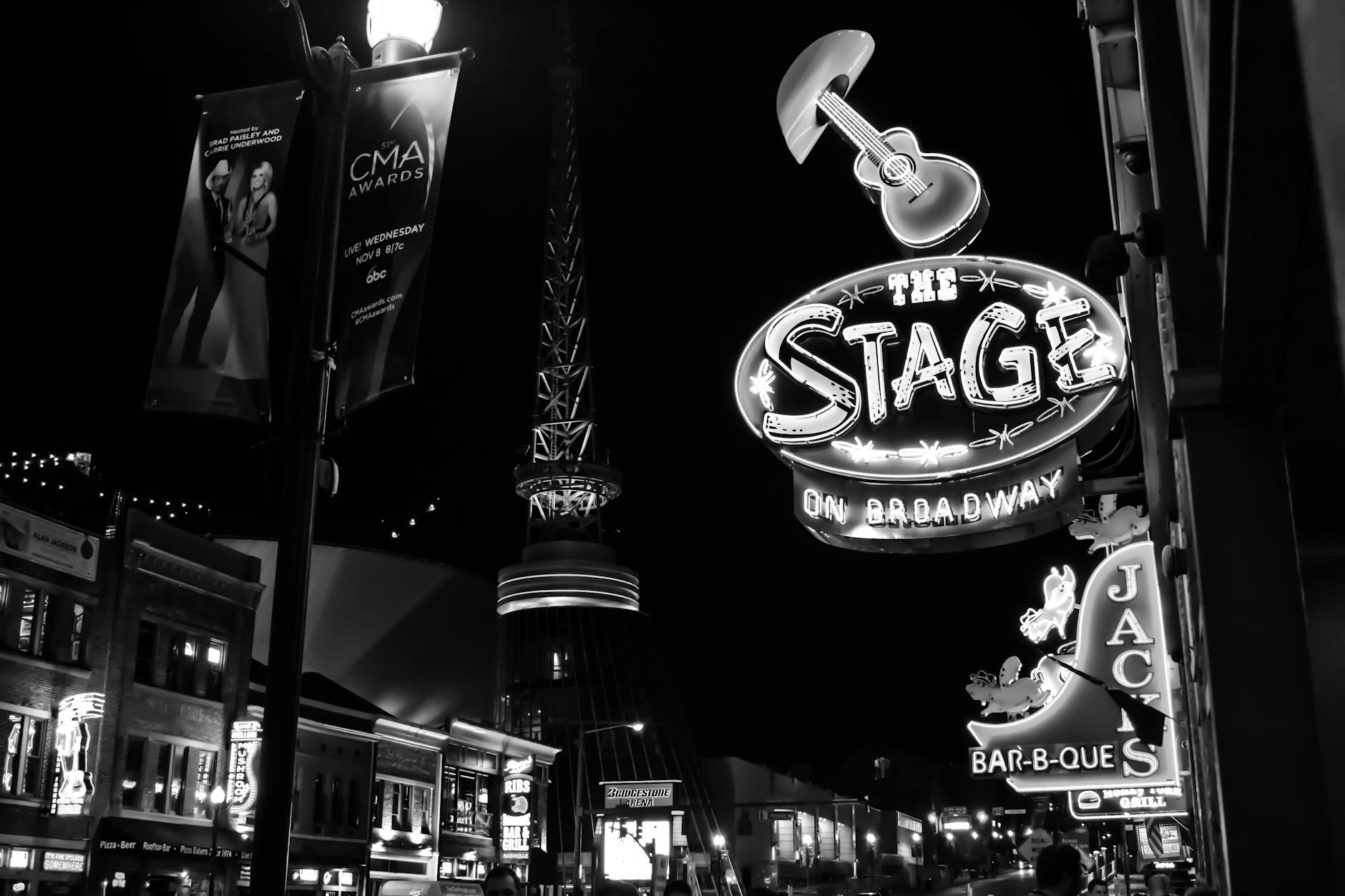
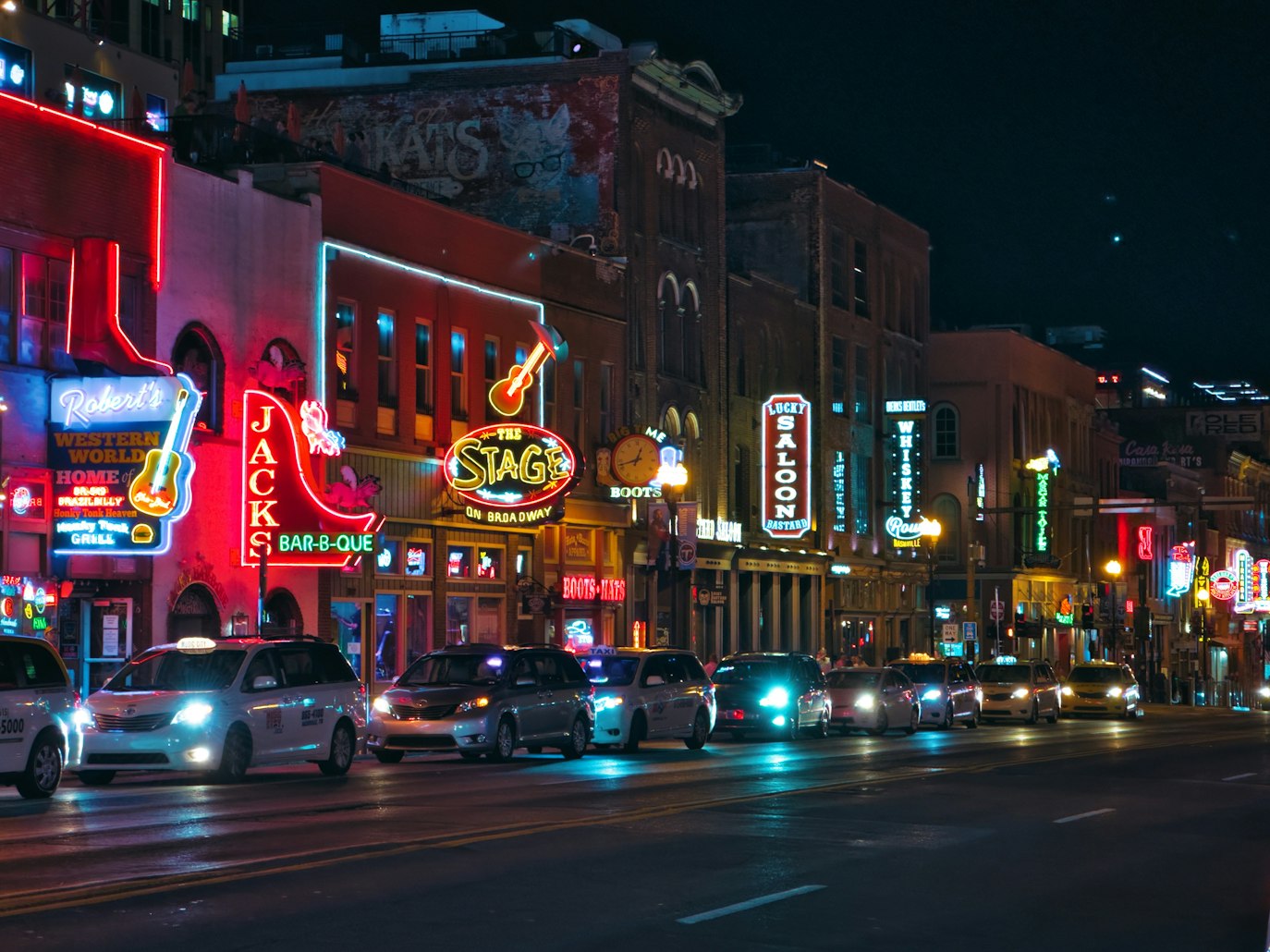
The start line sits at 8th and Broadway, right in the gut of Nashville's most famous stretch. To your left: Tootsie's. To your right: Robert's Western World. Ahead of you: a gentle downhill and 25,000 runners who are all about to make the same mistake.
This is the loudest first mile of any marathon in the United States. 20+ live music stages begin pumping from the gun. Crowds are thick. The energy is enormous. And the course drops roughly 30 feet over the first half mile, just enough grade to make goal pace feel effortless and race pace feel justified.
It isn't. The median finish for this race is 4:38. That doesn't happen on a fast course. What happens on Broadway is that you borrow speed you'll pay for later with interest. Hold 10-15 seconds per mile back from goal pace. Bank nothing. You'll pass Bridgestone Arena (home of the Predators) and the Schermerhorn Symphony Center before the first mile clicks. Expect corral congestion. Runners have reported walkers in early corrals and long port-a-potty lines before the start. Factor that in.
The party energy fades. The incline begins. You're now running through the corridor that built country music.
Music Row started in 1954 when Owen and Harold Bradley bought a house on 16th Avenue South for $7,500 and turned the basement into a recording studio. The first song recorded on what would become Music Row was "Be-Bop-a-Lula" by Gene Vincent. Within a decade, RCA, Decca, and Columbia had permanent operations here. Elvis cut over 200 tracks at RCA Studio B. Patsy Cline recorded at the Quonset Hut. Bob Dylan tracked *Blonde on Blonde* at Columbia Studio A. You're running past the buildings where that happened. They look like houses. They are houses. That's the whole point.
The Musica Roundabout, a 40-foot bronze sculpture of nine nude figures, marks the entrance to Music Row. From here, the grade tilts upward. Not dramatically. 1.5% average from mile 2 to 3.5 with about 115 feet of gain. But it's the beginning of the Belmont climb, and if you went out hot on Broadway, this is where you start to feel it.
This is the course high point. 627 feet above sea level near mile 4, on the Belmont University campus. The climb from mile 2 to here totals about 115 feet of gain at an average 1.5% grade, not steep, but sustained. Think of it as a long, patient drag that helps short strides and steady effort.
Belmont University sits on the grounds of a 19th-century antebellum mansion. The campus itself is the highest point you'll reach all day. If you look back (and you should), you can see downtown Nashville starting to shrink behind you. Spectator support is moderate here. Residential neighborhood. Quiet compared to Broadway.
The mistake runners make on this climb isn't going too fast up it. It's chasing the pace they lost. Your splits from miles 2-4 should be 10 seconds per mile slower than goal. If they are, you're doing it right. If they aren't, you went out too hot and you're compounding the problem.
The top of Belmont is the turn. From here, it's downhill into 12 South. Let gravity do the work.
Welcome to the payoff for your patience through Belmont. The course drops back down through 12 South, Nashville's trendiest neighborhood. Boutiques, coffee shops, restaurants. Moderate crowds. A tailwind (SW), now at your back because you've turned north.
This is where the course gives you free speed. Accept it. Don't force it. The pacing recommendation here is 3 seconds per mile faster than goal, not because you're pushing, but because gravity and wind are doing the work. Overstriding on the downhill is the trap. Keep your cadence up and let it come to you.
Sevier Park marks the bottom of the descent. Rolling terrain ahead, but nothing dramatic. One climb of about 100 feet from mile 5.4 to 6.7 at a 1.4% grade, gentle enough that you shouldn't notice it if you're running on effort.
This is where you settle in. Moderate rolling terrain through Midtown and the edges of downtown. Light tailwind. The course swings northeast, and the wind shifts partially behind you. These miles should be run at goal pace. No faster, no slower.
The crowds are moderate. You're back on wider roads with some building shade but mostly exposed. There's nothing particularly notable about this stretch from an entertainment standpoint, and that's fine. This is working mileage. Find your groove. Lock in your rhythm. Don't let the fact that it feels manageable trick you into pressing.
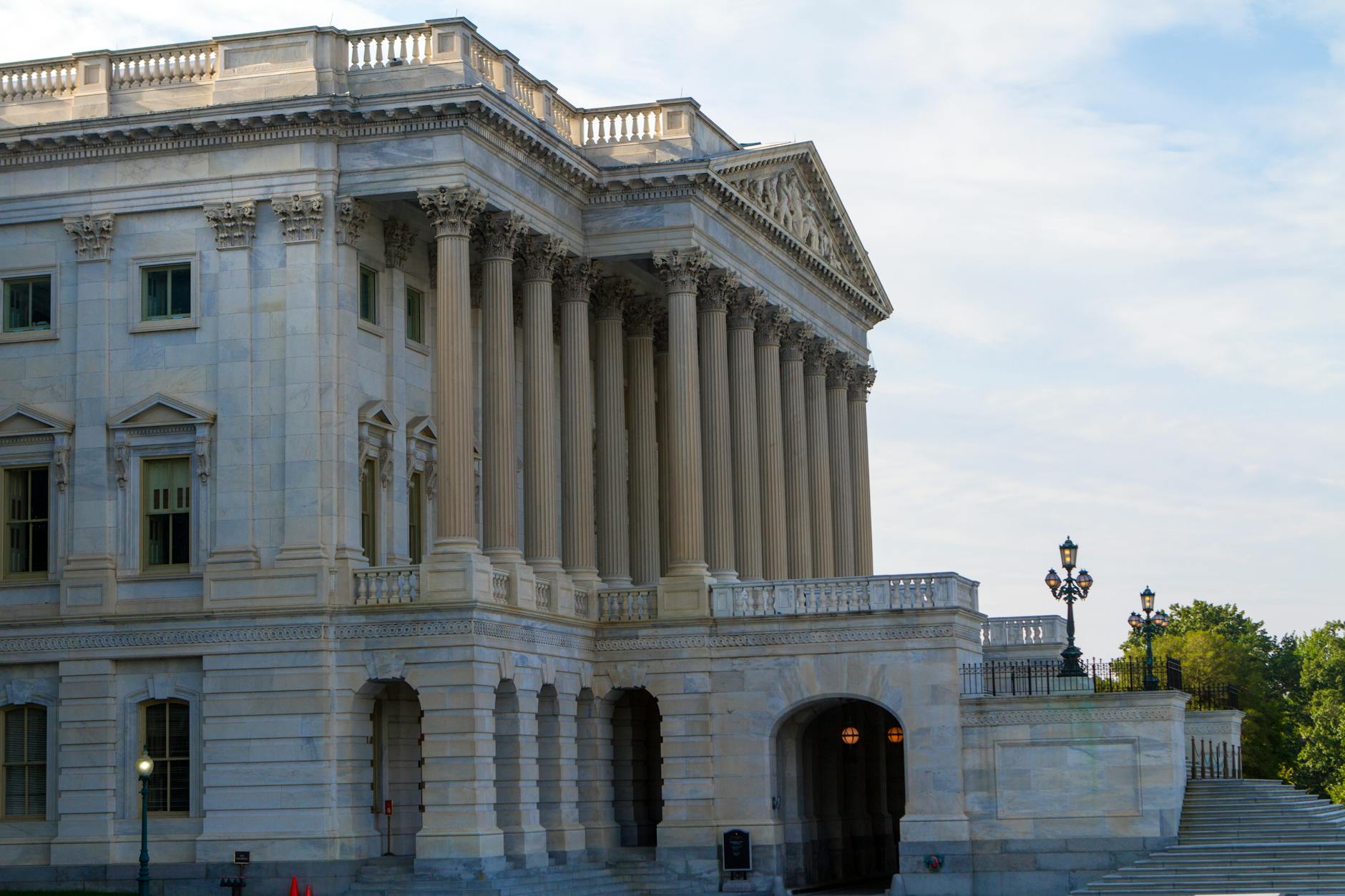
The Tennessee State Capitol sits on a hilltop above downtown, Greek Revival columns overlooking the city. You'll pass it around mile 11. Bicentennial Capitol Mall, a 19-acre park honoring Tennessee history, comes shortly after. Then you're into Germantown, Nashville's oldest neighborhood, founded in the mid-1800s by German immigrants. Today it's restaurants and shops. On race day, it's your half marathon split.
Check your time here. If you've run the first 13 miles within 45-60 seconds of your goal half split, you're in great shape. If you're more than 60 seconds ahead of it, you went out too fast, and Shelby Park will let you know.
The terrain is moderate. Nothing steep. But the hills don't stop. They just stay low enough that you don't notice each one individually. They add up. By the half, you'll have climbed roughly 600 feet. You've got about 600 more to go.
The half marathoners are gone. This is where the field thins out and the marathon gets quiet for the first time. Metro Center is industrial and commercial. Minimal shade, 15%. The vibe shifts from "city tour" to "you're on your own now."
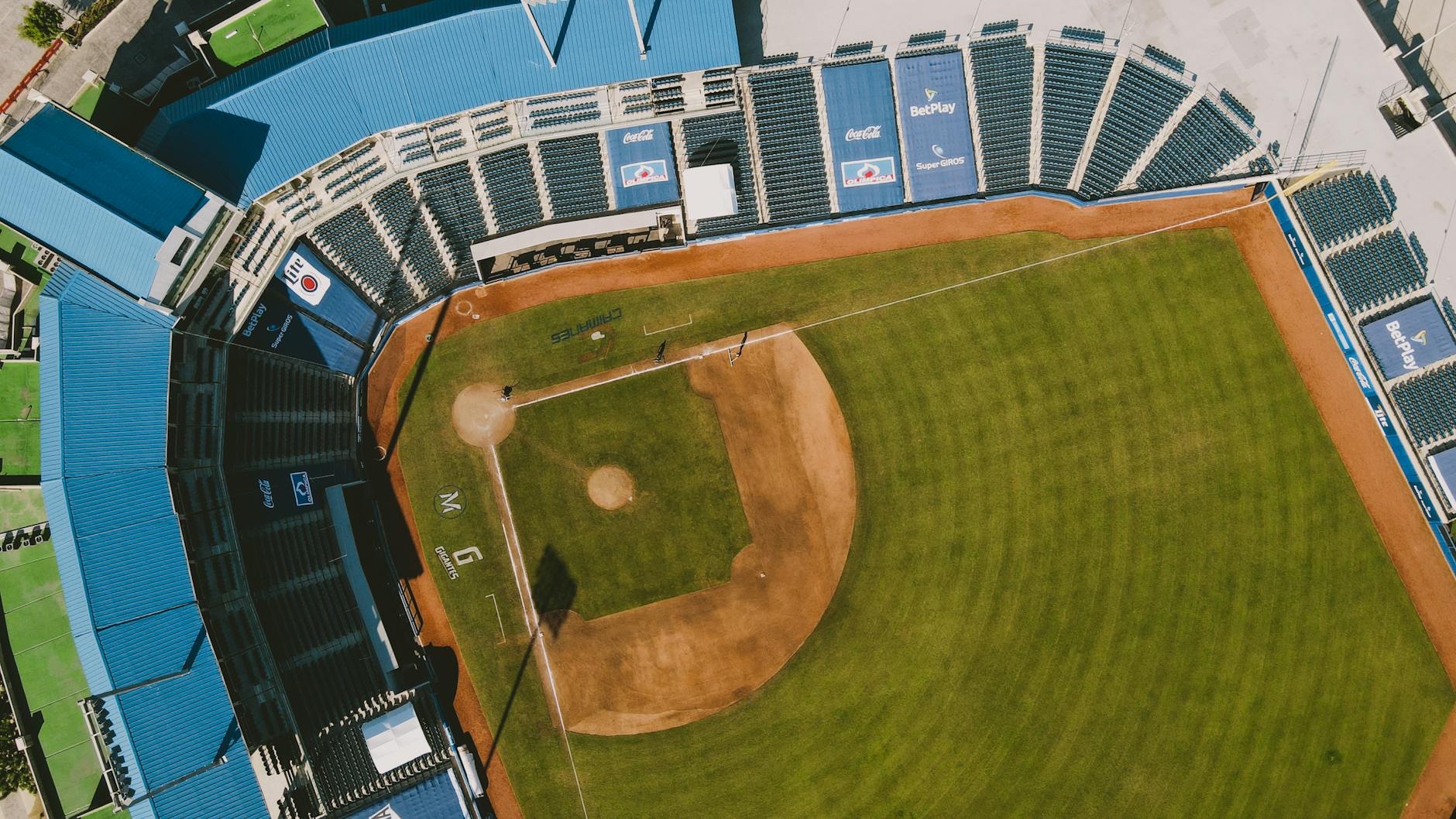
But there's a highlight here that you won't get anywhere else. At mile 15, the course enters First Horizon Park, home of the Nashville Sounds, the AAA affiliate. You run into the stadium, onto the actual field, and around the diamond. It sounds gimmicky. It's not. It's genuinely fun, and at mile 15, "fun" is currency.
The Mile of Music entertainment zone runs through this section. Flat terrain. Crosswind (SW). Stay mentally engaged. This is a danger zone for zoning out and losing focus. The hard part starts in three miles.
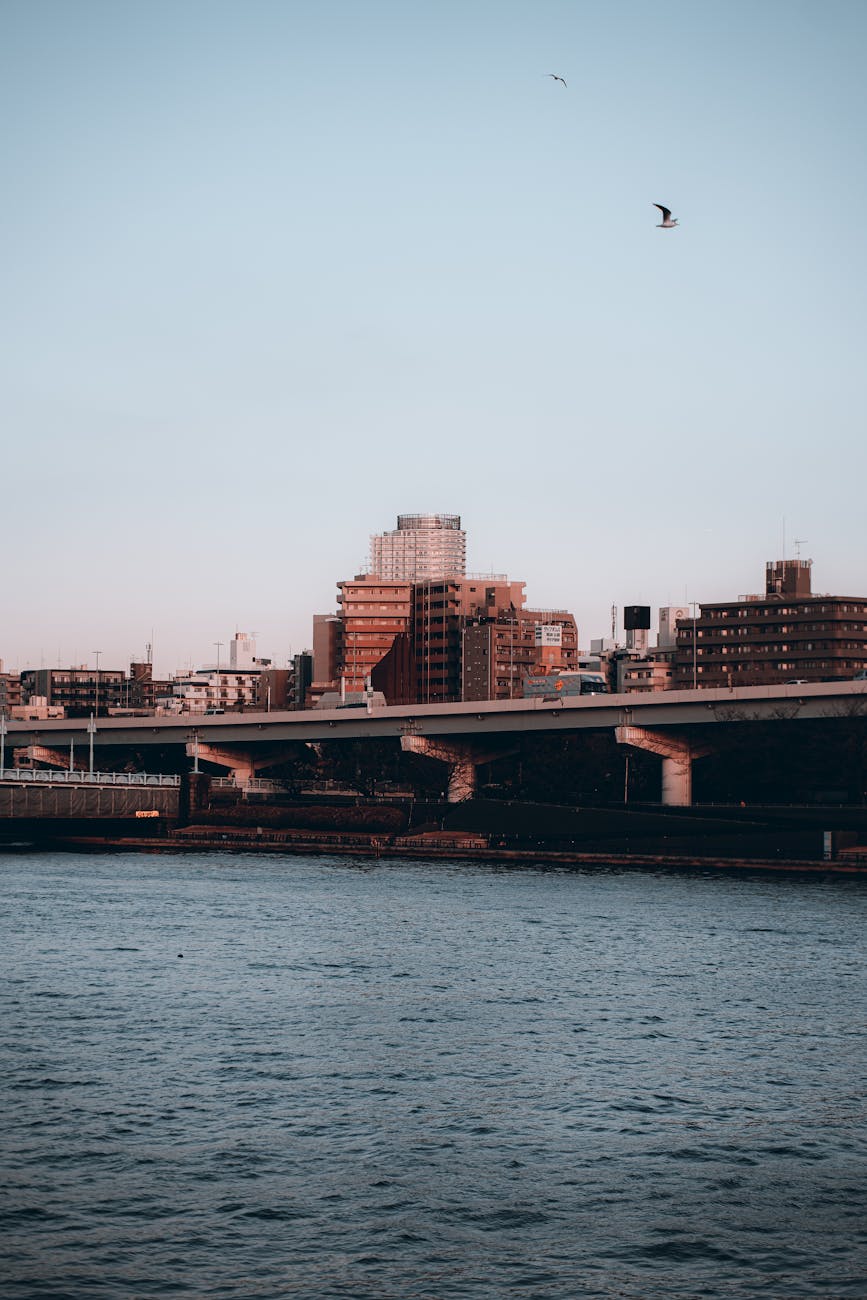
The Woodland Street Bridge. You'll cross it twice during this marathon, once here, once on the way back in. It spans the Cumberland River, and on a clear day, the Nashville skyline view from the bridge is one of the best on any marathon course in the country.
The bridge is also fully exposed. NW wind funnels down the river corridor. Expect crosswind gusts. No shade. It's a short stretch, maybe half a mile, but after 16 miles on your legs, the wind hits different.
Once across, you're in East Nashville. Residential. Eclectic. Moderate shade coverage, 35%. But the terrain starts rolling again, and the prevailing wind flips back to a headwind (SW) because you're now running south. That headwind stays with you for the next 7 miles. Through Shelby Park. Through the worst of it.
This is where the race changes character. Broadway was a party. Music Row was a tour. This is a marathon.
This is it.
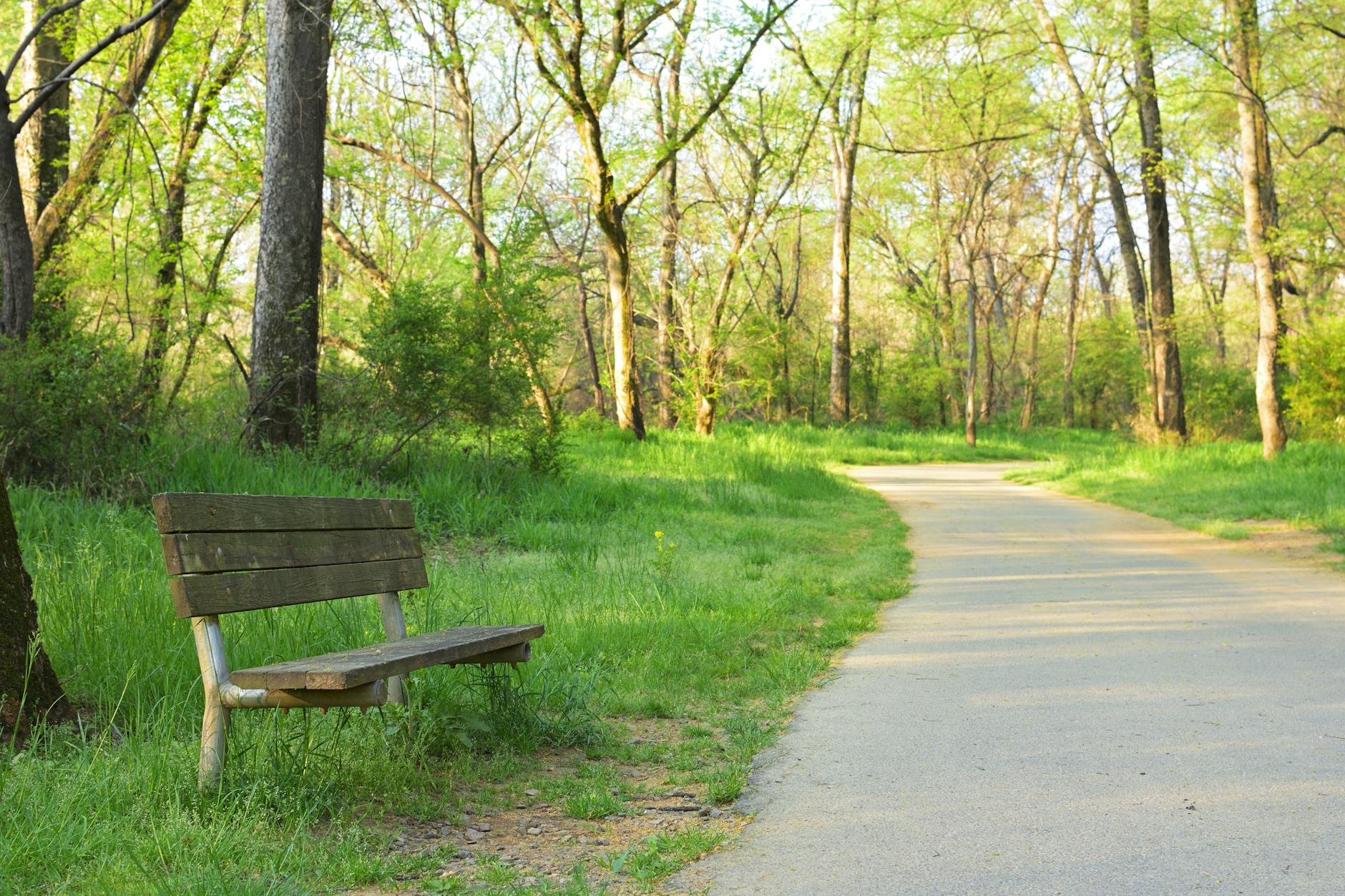
Shelby Park is a large urban park in East Nashville: Sevier Lake, greenway trails, open grassland. It's beautiful. It's also where your marathon either holds together or falls apart.
Here's what you're dealing with: a double lake loop with three short, steep hills. The steepest, mile 20.8 to 21.3, hits a 3.3% grade with 80 feet of gain. That might not sound like much at mile 5. At mile 21, with 900 feet of cumulative climbing already in your legs, it's a wall. The second climb (mile 21.6-22.5, 1.9%, 82 ft) comes right after. And the third (mile 22.8-23.6, 2.1%, 86 ft) closes it out. Three hills. Back to back to back. Into a headwind.
The spectator support here is light. The course is quiet. No bands. No neon. Just you and whatever's left in your legs. The recommended pace adjustment is +5 seconds per mile through this section. If you need to walk the steepest portions, walk them. This is not the place to be heroic. This is the place to survive.
Heat compounds it. In 2024, race-day temperatures hit 82°F by the finish. Shelby Park has greenway sections with tree cover, but the lake loops are more exposed. The aid station at 19.5 has GU gel. Take it.
One thing runners consistently report: the hills in Shelby are worse than advertised. Course profiles online show the first 6 miles as hilly and "flat thereafter." That's wrong. These three climbs, short and steep, are the hardest miles on the course. Not because of the grade. Because of when they come.
You're completing the park loops and heading back toward the river. The hills are done. The damage is done. Cumulative fatigue sits on your legs like sandbags.
Keep your cadence up. Don't shuffle. The finish is close. You can almost feel the crowd energy building as you leave the park, but there's still a bridge to cross and a mile of exposed road to cover.
The Woodland Street Bridge. Again. You crossed it at mile 17, and now you're crossing it one last time. The Nashville skyline is ahead of you. The Cumberland River is below you. And this time, you're heading to the finish.
The bridge is still exposed. Crosswind. Your legs don't care anymore.
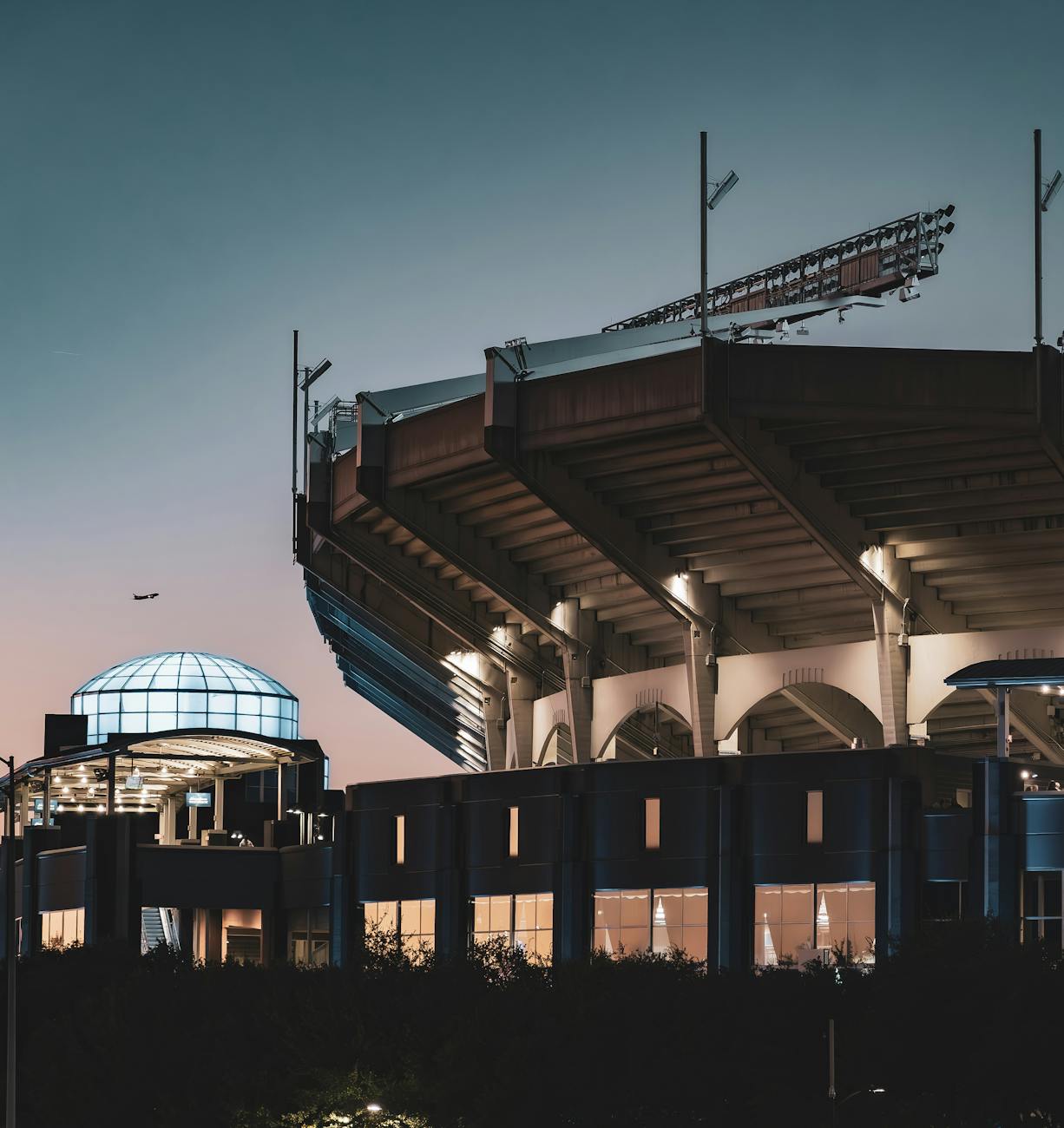
On the other side: a spectator-lined chute that builds in volume as you approach Nissan Stadium, home of the Tennessee Titans. You enter the stadium complex. You can hear the crowd before you see them. And then you're on Victory Way, with the Nashville skyline behind you, crossing a finish line you earned in Shelby Park six miles ago.
Recommended pace adjustment: -5 seconds per mile. Whatever you have left. This is it.
You don't need to memorize any of this. We built a race partner that knows this course: every hill, every aid station, every wind shift. It rides with you on race day and tells you what's coming, when to ease off, when to push, and how to adjust as your race unfolds.
This isn't a generic plan. It's built around this course.
Get your race partnerFree · iPhone + Apple Watch
This isn't a course you can set-and-forget. The terrain changes constantly: rolling hills that never announce themselves, wind that shifts four times, crowd support that ranges from deafening to nonexistent. The entertainment is real, but so is the elevation. 1,200 feet spread across eight climbs doesn't show up dramatically on a profile. It shows up at mile 21.
The first five miles feel like a celebration. Broadway, Music Row, Belmont. It's loud, it's fun, it's downhill-to-uphill in the best shade section on the course. The middle miles are workmanlike. You run through Germantown, onto a baseball field, across a river. And then the race strips away everything that made it entertaining and asks you to run four quiet miles through a park on tired legs, into the wind, up three hills, in the heat.
Control the first five miles. Don't chase pace through Belmont. Save your legs through Midtown and Metro Center so you have something left for Shelby Park. If you do that, the stadium finish is everything it's supposed to be: a spectator-lined bridge, a chute into Nissan Stadium, and the kind of ending that makes you forget the last four miles. If you don't, Shelby Park will be the only thing you remember.
You don't need to remember all of this on race day. We give you a voice in your ear that knows the course. What's coming up, when to ease off, when to push, and how to adjust as the race unfolds.
Samantha keeps things light, exactly the voice you want when Shelby Park gets honest and you need someone who's not going to make the hills feel heavier than they already are.
This isn't a generic plan. It's built around this course.
Get your race partnerFree · iPhone + Apple Watch