why 25,000 people line okc streets: the neighborhoods and the oklahoma standard
 By PaceKit Team · Updated April 2026
The OKC Memorial Marathon winds through 25+ Oklahoma City neighborhoods, and the residents of those neighborhoods show up for this race in a way that startles runners who've never been to Oklahoma.
The crowd support has been described by multiple runners as "unmatched" and "the best outside of Boston or Chicago." One first-time visitor wrote: "I never felt alone. There were crowds to herald us at every turn." Another noted "official stations every mile and unofficial stations manned by neighbors and community groups filling the spaces in between." The word that appears most in reviews isn't "fast" or "flat." It's "community."
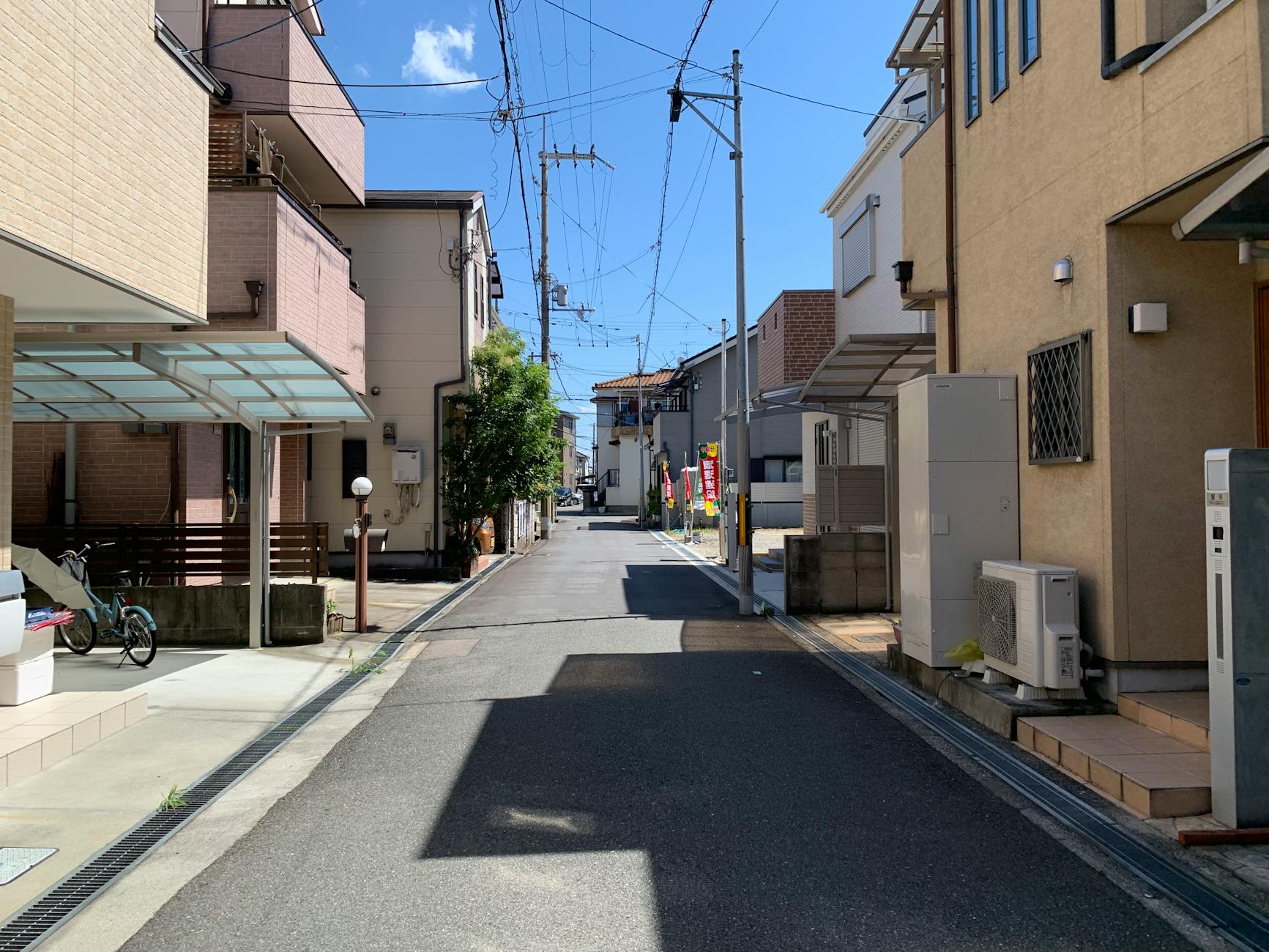
The neighborhoods on the course each bring their own character. Nichols Hills, one of OKC's wealthiest enclaves, turns out in force along its tree-lined streets. Crown Heights and Mesta Park, historic neighborhoods with early-20th-century architecture, provide a scenic backdrop with porches full of cheering families. Heritage Hills, one of OKC's oldest neighborhoods, leads to the downtown finish through a corridor of enthusiastic spectators. Bricktown, the entertainment district, adds early-race energy. The State Capitol district provides a civic-scale backdrop.
This crowd behavior has a name in Oklahoma: the Oklahoma Standard. The term emerged after the 1995 bombing to describe the community response, the way Oklahoma City came together, helped strangers, and rebuilt. The Oklahoma Standard is what you see on the marathon course when neighborhoods organize aid stations, when residents stand on sidewalks for hours to cheer runners they've never met, and when the entire city treats race day as an expression of its identity.
You can measure a marathon by its course score, its BQ rate, its elevation profile. You can also measure it by how many strangers hand you water from their front yards. By that metric, OKC is hard to beat.