how flat is glass city?
 By PaceKit Team · Updated April 2026
The Glass City Marathon has less than 100 feet of net elevation change across 26.2 miles. That makes it one of the flattest marathon courses in the United States, and meaningfully flatter than courses that market themselves as flat.
For comparison: Chicago Marathon, the most famous flat marathon in the country, has approximately 260 feet of total elevation gain. The Glass City Marathon has less than half of that. One runner who'd finished both said Toledo "felt way flatter to me" than Chicago, which is a remarkable statement about a race in a city most runners have never heard of.
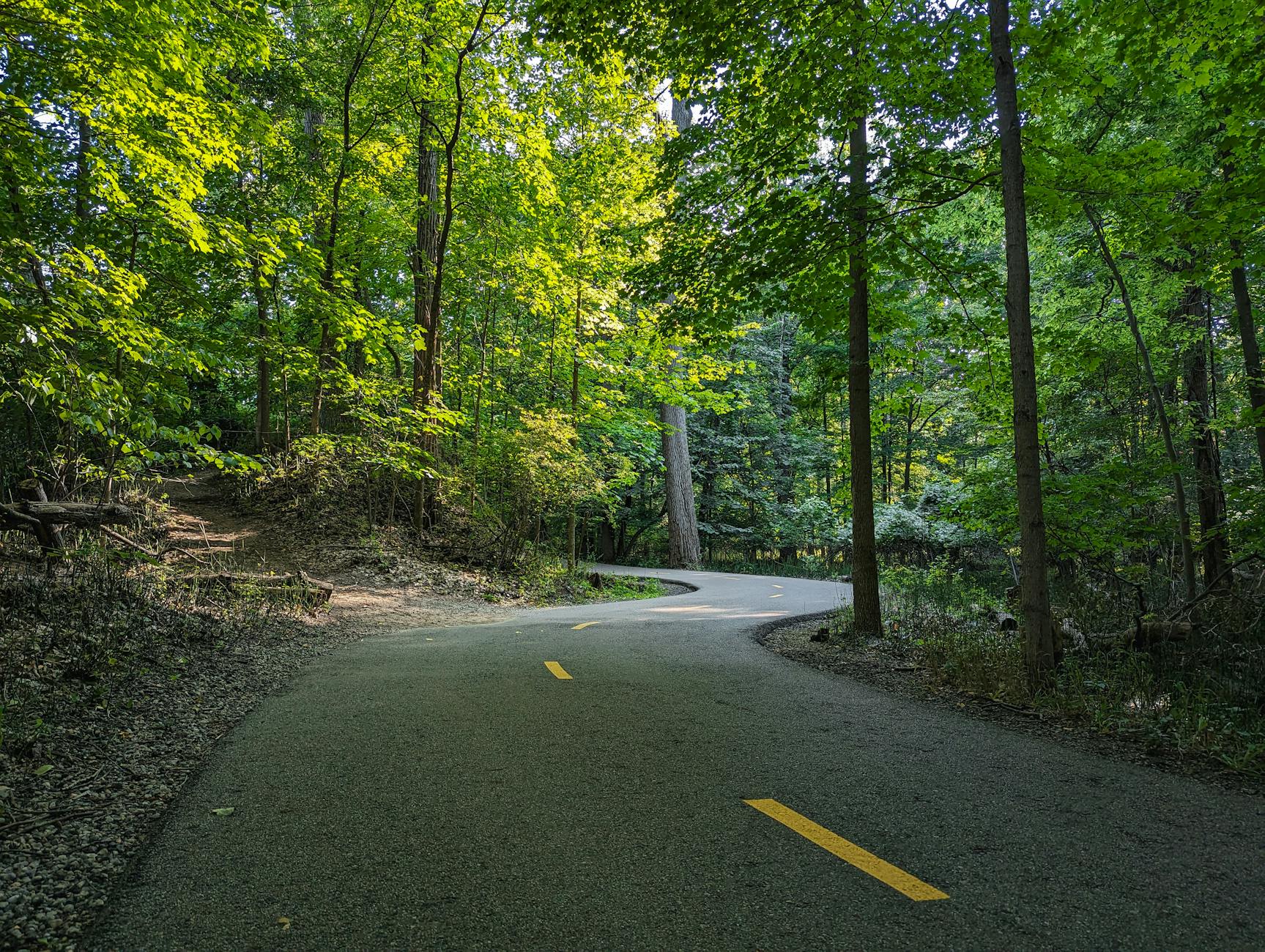
The course runs through residential neighborhoods (Ottawa Hills, Sylvania), through the Wildwood Metropark system on paved trails, and along a straight rail trail for the final stretch. At no point on the course would a reasonable person describe any section as a "hill." There are one or two very subtle grade changes that some runners notice and most don't. The surface alternates between paved roads and asphalt bike trail, both smooth and well-maintained.
For BQ-chasers, this profile means your pacing math is simple. There are no terrain-driven adjustments to make. Your even-effort pace is your even-split pace. You don't need to budget extra seconds for hills or plan to make up time on descents. The course takes terrain out of the equation entirely and lets your fitness determine your finish time.
The one caveat: flat doesn't mean easy on tired legs. After 20 miles, even a perfectly flat surface feels like resistance. And the rail trail in the final miles, while dead flat, is psychologically demanding because there are no visual breaks or spectator energy to distract from the effort. Flat eliminates terrain as an excuse. It doesn't eliminate the marathon.